
 1 day ago
9
1 day ago
9
Bright red and zesty, Beni Shoga might look like a simple garnish, but it plays a much bigger role on the Japanese plate. Whether it’s resting atop a bowl of gyudon or scattered over yakisoba, this fiery pickled ginger transforms dishes with its bold flavor and crisp texture. Let’s take a closer look at what makes this condiment so special, how it came to be, where you can try it, and how it elevates everyday meals.
What Exactly Is Beni Shoga?
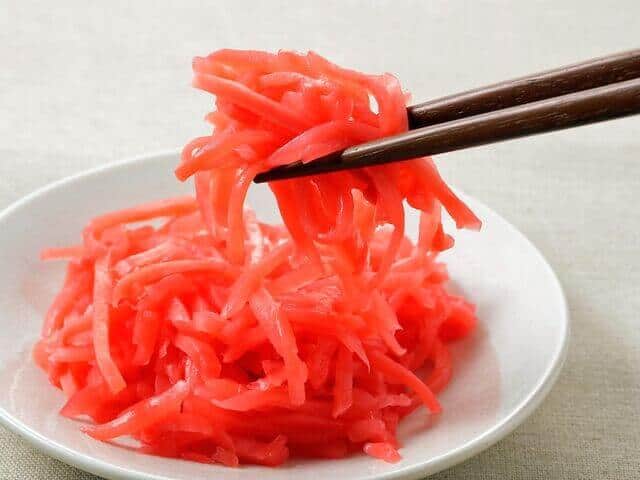
Cooks in Japan prepare Beni Shoga (紅ショウガ) by shredding or finely slicing young ginger and then pickling it in umezu (梅酢)—the reddish brine left over from making umeboshi (pickled plums). This umezu not only gives Beni Syoga its vivid red color but also infuses it with a sharp, salty-sour kick. It is also another type of Yakumi in Japan.
Gari vs Beni Shoga
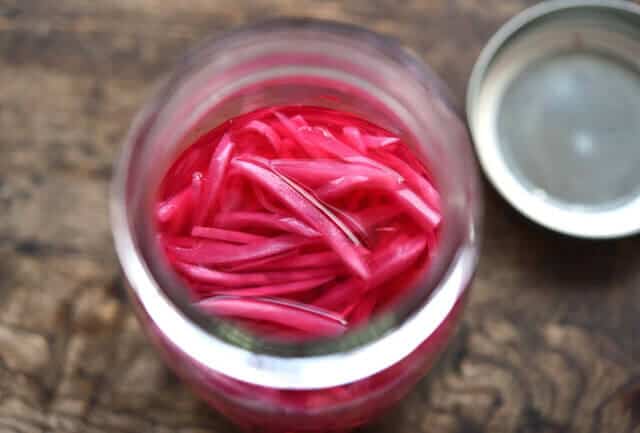
People often confuse Beni Shoga with Gari, but they’re actually quite different despite both being pickled ginger. Gari is what you get with sushi: those thin, delicate slices with a sweet edge. Beni Shoga, on the other hand, gets pickled in plum vinegar, which gives it a much saltier, sharper kick that can really wake up your taste buds.
How They Look
You can spot the difference just by looking at them. Beni Shoga comes cut into thin matchstick strips and has this intense bright red or magenta color that’s hard to miss. Gari looks totally different: paper-thin slices cut lengthwise, with a soft pink tint or sometimes almost white. That vivid red in Beni Shoga traditionally came from red perilla leaves soaking in the umeboshi vinegar, though nowadays a lot of commercial brands just use food coloring. Gari’s gentle pink happens naturally when young ginger reacts with the vinegar during pickling. The younger the ginger root, the pinker it turns out.
What They’re Actually For
The way these two get used in Japanese cooking makes sense once you taste them. Beni Shoga’s sharp, tangy bite works perfectly with heavier, greasier foods. Think about when you’re eating gyudon, yakisoba, takoyaki, or okonomiyaki. That punch of acidity cuts right through all that richness and helps your stomach handle it better.
Gari does something completely different. When you’re eating sushi or sashimi, you’re supposed to nibble a bit of Gari between different pieces to clean your palate. The mild sweetness and gentler acidity refresh your mouth without covering up the subtle flavors of the fish. You’re not supposed to pile it on top like you might with Beni Shoga. Just a small piece between bites does the job.
Where They Come From
Here’s something interesting: these two pickled gingers come from different parts of Japan. Beni Shoga got its start in the Kansai region around Osaka, while Gari originated in the Kanto region around Tokyo. If you know anything about Japanese food culture, this makes sense. Kansai cooking tends to go bold with flavors, while Kanto cuisine usually aims for something more subtle and refined.
Making Them at Home
Want to make Beni Shoga yourself? It’s surprisingly easy. You only need young ginger and umezu, which is that plum vinegar left over from making umeboshi. Cut your ginger into matchsticks, blanch it quickly to soften it up, then drop it in the umezu and stick it in the fridge. A few days later, it’ll be bright red and ready to eat.
Gari takes a bit more work and needs more ingredients. After slicing the ginger incredibly thin, you salt it and wait for the moisture to come out. While that’s happening, you boil up some rice vinegar with sugar for the pickling liquid. Once the ginger’s released its liquid and your brine has cooled down a bit, pour it over the ginger while it’s still warm, then refrigerate everything. The extra steps give you that sweeter, milder flavor, but it definitely requires more attention than Beni Shoga.
How It All Began
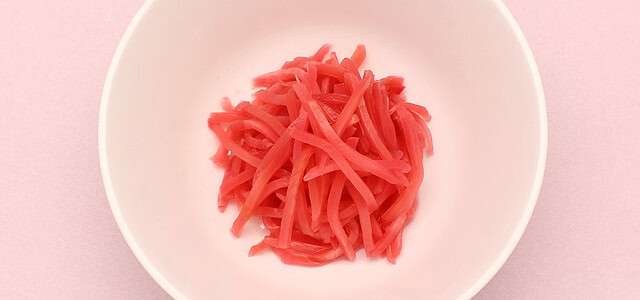
Beni Shoga traces its origins to the Kansai region, particularly Osaka, where people have long loved bold flavors and comforting street food. Pickling ginger in umezu became a clever way to reuse leftover plum vinegar from umeboshi-making, and over time, the practice spread. By the 1940s, Beni Syoga had become a familiar and essential condiment, especially in western Japan. In Osaka, it even inspired Beni Syoga tempura, a local soul food dish that celebrates the ginger’s intense taste and crunch.
Thanks to its versatility and unique flavor, Beni Syoga eventually made its way into kitchens and restaurants across the country, finding a home next to dishes like okonomiyaki, yakisoba, and takoyaki.
Where to Try Beni Shoga in Japan
Kushikatsu Daruma – Dotombori (串かつだるま 道頓堀店)
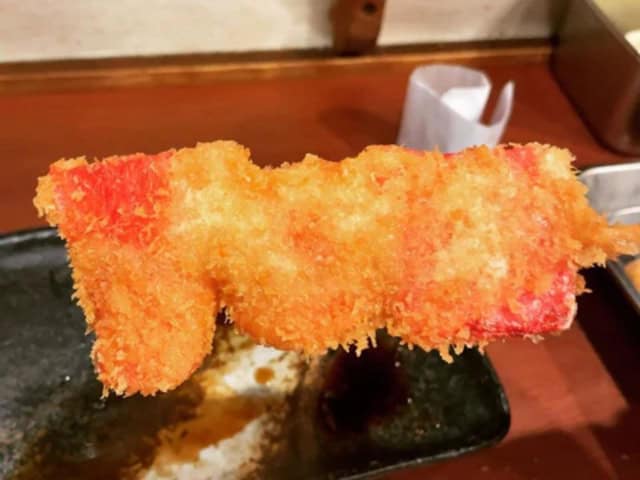
Kushikatsu Daruma is a famous restaurant chain that specializes in kushikatsu, deep-fried skewers of various ingredients. The restaurant is well-known for its communal sauce pots, but remember the rule: no double-dipping! Among the many kushiage at Kushikatsu Daruma, benishoga is a particularly popular item. Beni shoga tempura (beni shogaten) is a classic Osaka soul food, and Kushikatsu Daruma is a top-rated place to try it.
Address: 1 Chome-5-24 Namba, Chuo Ward, Osaka, 542-0076, Japan
Phone number: 066-213-2033
Website: https://www.kushikatu-daruma.com/tenpo.html
Why Beni Shoga Matters
Beni Shoga brings more than color to the plate—it offers balance, brightness, and bite. Its sharp taste refreshes the palate, especially when paired with oily, savory foods. From humble Osaka origins to national fame, this condiment has become a beloved staple in Japanese cuisine.
Next time you enjoy a plate of yakisoba, takoyaki, yaki-udon, or even inari sushi, try adding a generous scoop of Beni Syoga. You’ll taste how this small but mighty condiment brings the entire dish to life. You should also read about Yakumi composed of all aromatic vegetables and spices in Japan.
Beni Shoga (Red Pickled Ginger) FAQ
What is Beni Shoga?
It is ginger pickled in plum vinegar (Umezu). It has a strong sour and salty flavor.
Why is it red?
Red Perilla (Shiso) leaves dye the ginger naturally, though some brands use food coloring.
Is it different from Sushi Ginger (Gari)?
Yes. Gari is sweet and sour slices. Beni Shoga is salty, sour, and usually shredded.
What dishes do I use it on?
You use it to top Gyudon (beef bowls), Yakisoba, Okonomiyaki, and Tonkotsu Ramen.
Why do Japanese eat it with greasy food?
The sharp sourness and ginger heat cut through the grease and refresh your palate.
Is it spicy?
Yes. It retains the natural spicy heat of raw ginger root.
Is it free?
Often, yes. Beef bowl chains and Ramen shops usually place a jar of it on the table for free.
Can I cook with it?
Yes. Some people mix it into Takoyaki batter or Okonomiyaki for extra flavor and color.
What is “Beni Shoga Tempura”?
In Osaka, chefs deep-fry whole slices of red ginger. It is a popular local snack.
Is it healthy?
Ginger warms the body and aids digestion, but the pickle has a high salt content.
How do they make it?
Makers create it as a by-product of making Umeboshi (pickled plums) using the leftover vinegar.
What does “Beni” mean?
“Beni” means crimson or deep red in Japanese.
Can I buy it in supermarkets?
Yes. Every supermarket in Japan sells small bags of it in the pickle section.
Is it vegan?
Yes. Traditional recipes use only ginger, vinegar, salt, and perilla leaves.





 English (US) ·