
 1 month ago
38
1 month ago
38
The Crab Cream Croquette, or Kani Kurimu Korokke, is a delicious mix of Western cooking and Japanese style. It belongs to a food group called Yoshoku, which refers to Western-style dishes that Japan has adapted and refined. While regular croquettes use mashed potatoes, these use a thick, creamy white sauce called béchamel.
TOC
How They Are Made
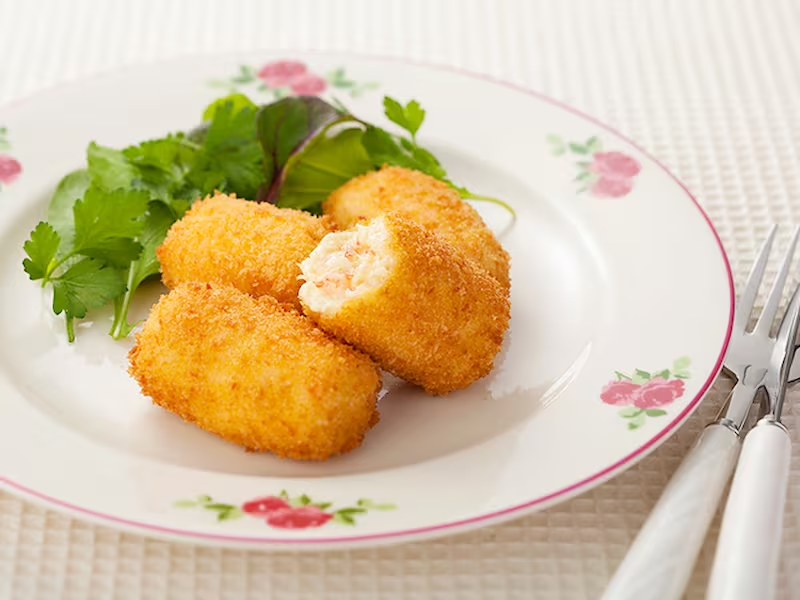
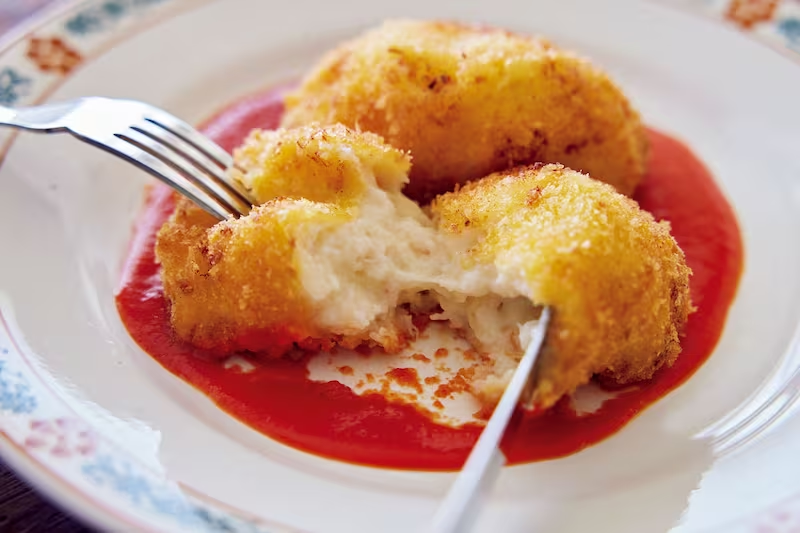
A perfect croquette has three layers of texture. The outside is coated in panko, which are light, airy Japanese breadcrumbs that get very crunchy when fried. Inside is a rich, velvety cream sauce mixed with crabmeat and sometimes corn. When you fry them, the chilled center turns into a hot, flowing liquid.
Because the creamy filling can expand and “explode” in hot oil, these are much harder to make than potato croquettes. For this reason, they are considered a fancy meal served at specialized restaurants rather than just a quick snack.
History of Crab Cream Croquette
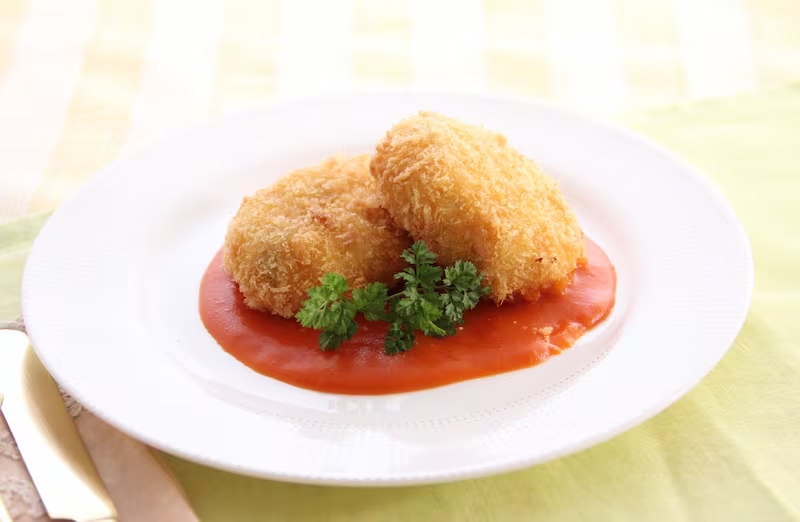
Croquettes arrived in Japan during the Meiji Restoration (late 1800s) as the country began adopting Western habits. Early versions used potatoes because milk was hard to find. However, as Japan’s dairy industry grew in the early 1900s, the “cream” version became a status symbol for the wealthy. In 1923, the Emperor’s head chef praised crab cream croquettes, making them famous across the country.
Comparing Fried Favorites
To understand this dish, it helps to look at other fried Japanese favorites like Kaki Fry (fried oysters) and Tonkatsu (pork cutlets).
| Feature | Crab Cream Croquette | Kaki Fry (Oyster) | Tonkatsu (Pork) |
| Inside | Creamy Sauce & Crab | Fresh Oyster | Pork Meat |
| Texture | Molten/Creamy | Soft/Briny | Firm/Juicy |
| Typical Sauce | Tartar or Tomato | Worcestershire | Thick Brown Sauce |
Health and Nutrition
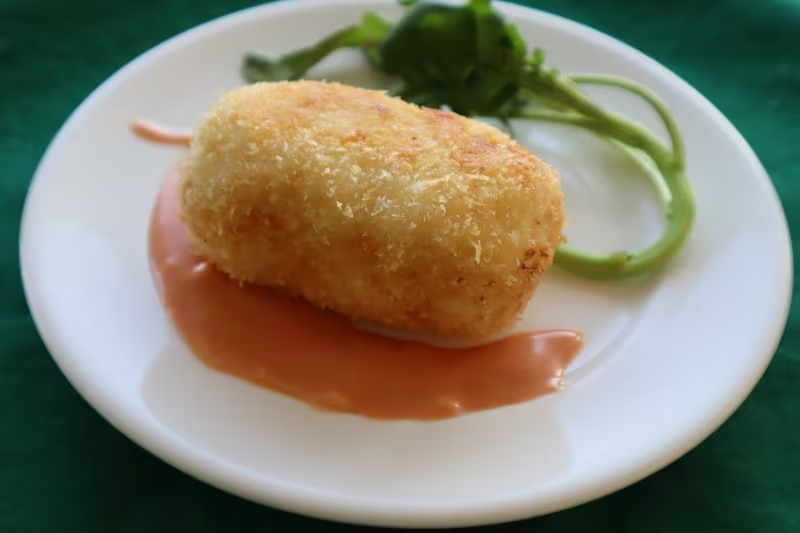
Though fried, these croquettes offer great nutrients. Crabmeat is high in protein, Vitamin B12, and Omega-3 fatty acids, which are good for your heart and brain.Crab is actually a very efficient protein source compared to beef. The milk and butter in the sauce also provide Calcium and Vitamin K2 for bone health.
The Secret of the “Perfect Fry”
The most difficult part of making a crab cream croquette is managing the temperature. Because the inside is a liquid held together by flour and fat, it reacts quickly to heat. In Japanese kitchens, this is treated like a science experiment. The filling must be frozen or heavily chilled before it is breaded. This creates a “time delay” when it hits the $180^{\circ}C$ oil. The outside turns golden and crispy before the inside has a chance to get too hot and burst through the shell. This balance of frozen-to-molten is what chefs spend years mastering.
Why Crab and Corn?
You will often find sweet corn mixed into the crab filling. This isn’t just for flavor; it provides a “pop” of texture that contrasts with the smooth sauce. In Japan, these ingredients represent the bounty of Hokkaido, the northern island famous for the best dairy, crab, and corn in the country. Eating a crab cream croquette often brings up feelings of nostalgia for cold winters and warm, comforting “home-style” Western meals.
Conclusion
The Crab Cream Croquette shows how Japan takes global ideas and makes them better. It is a dish of contrasts: a crunchy shell with a melting center, and a simple fried food made with expert skill. Whether you eat one at a fancy restaurant or a local shop, it remains a beloved part of Japanese food culture.
For those interested in exploring the wider world of Japanese fried cuisine and yoshoku flavors, several other dishes provide a similarly satisfying experience. It is highly recommended to sample Korokke, Tonkatsu, and Menchi Katsu.




 English (US) ·