
Soft, pillowy Korean hoppang filled with sweet red bean paste—steamed until fluffy and comforting. This homemade version comes together in about 1 hour and uses simple pantry ingredients for a cozy Korean winter treat.
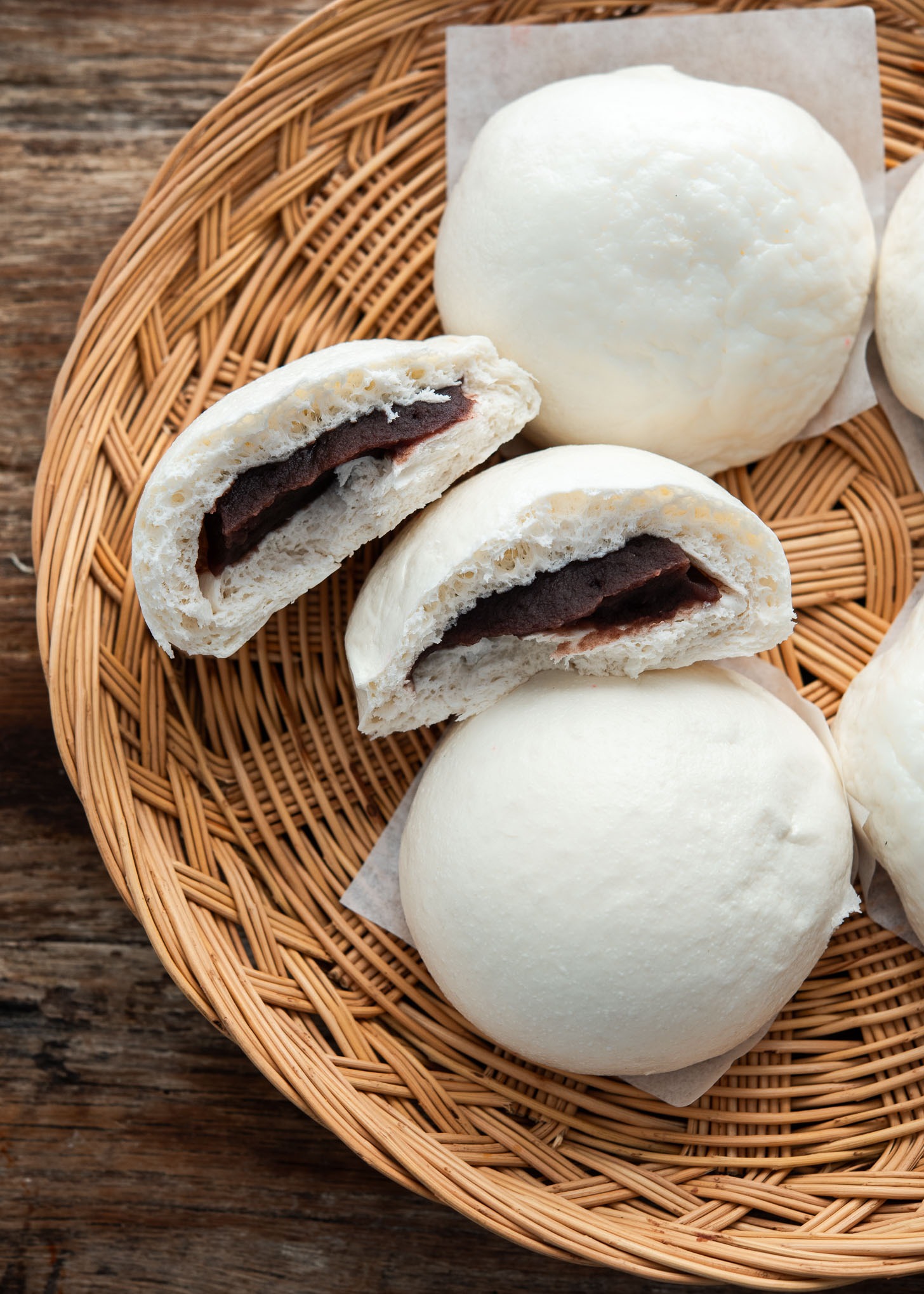
Hoppang (호빵) was my favorite snack growing up. Snow-white steamed buns filled with sweet red bean were impossible to resist as a kid.
After school, my friends and I would stop at small convenience shops on street corners, where hoppang sat warming cart at the front of the store. I still remember tearing one open with cold fingers and breathing in that gentle sweetness with the hot steam before the first bite.
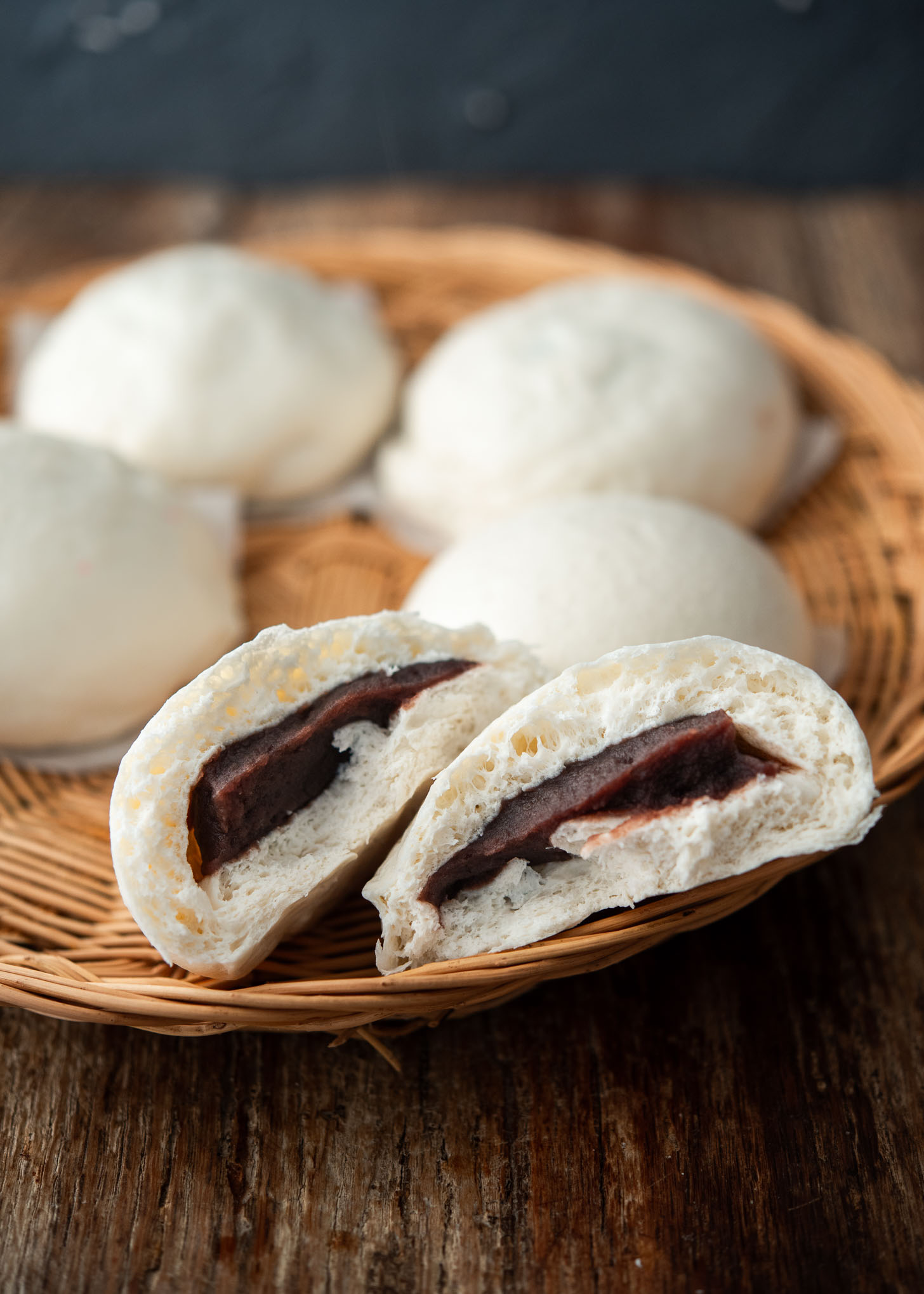
You can find store-bought hoppang easily now, but making it at home brings back that same nostalgia—only better. The buns turn out soft and pillowy with a light chew, and the red bean filling stays smooth and mellow.
This recipe is for anyone craving real hoppang or trying Korean steamed buns without access to a Korean grocery store. The ingredients are easy to find online, and the method is designed to work in a regular home kitchen—no special tools, no guesswork.
For anyone who loves Korean winter treats, like hotteok or a simple bowl of dapatjuk, hoppang brings back that familiar warmth you crave when the weather turns cold.
How I Make Hoppang Taste Like the Ones I Remember
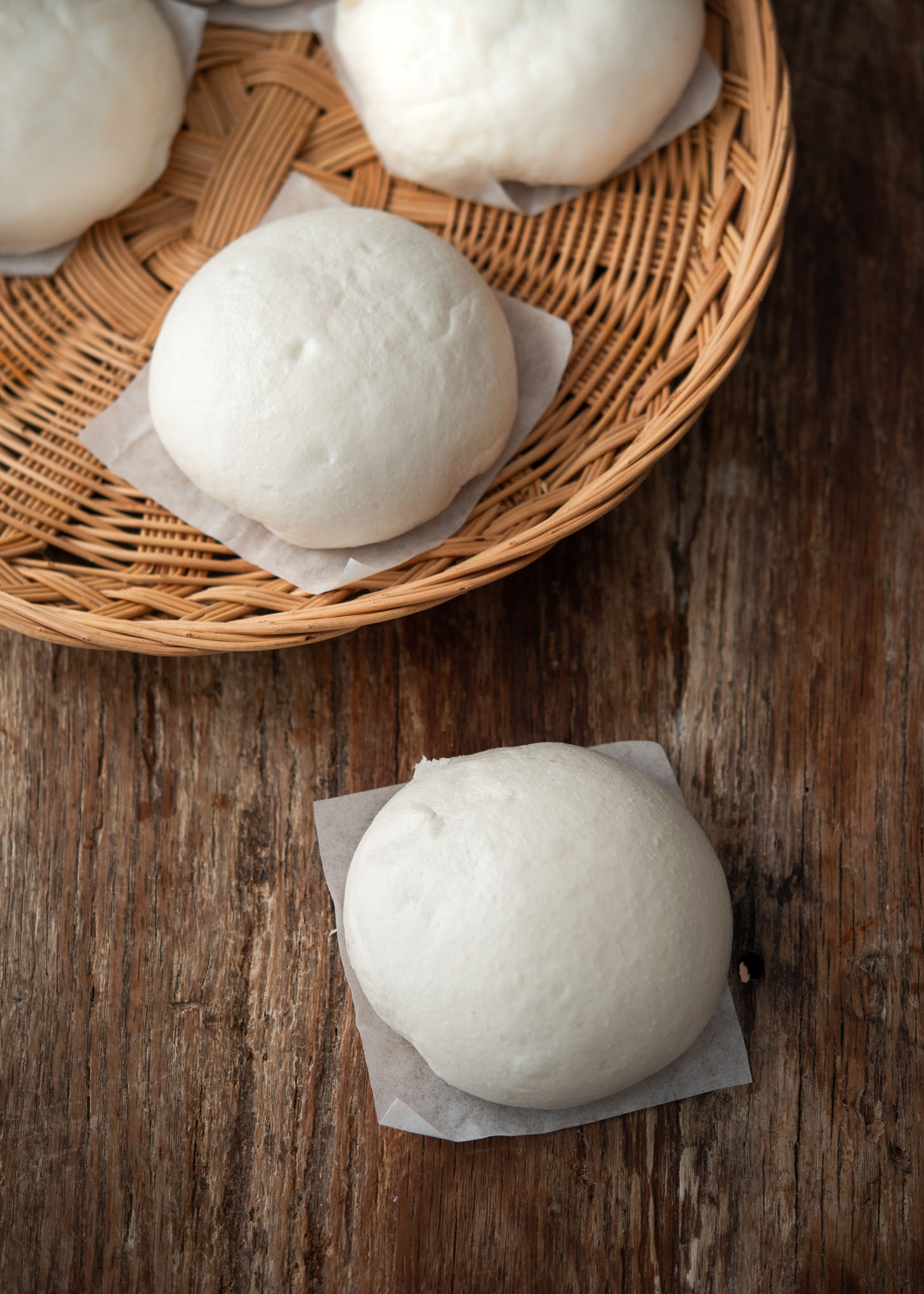
Getting hoppang right at home comes down to texture and balance. The dough needs to be soft enough to steam up fluffy, but strong enough to hold its shape without collapsing. This recipe uses a simple dough that stays tender after steaming, not dry or dense.
The red bean filling is kept lightly sweet and smooth so it doesn’t overpower the bun. When the buns steam, the dough expands gently around the filling, creating that thin, cloud-like bread with just a bit of chew—the texture that defines good hoppang.
A basic stovetop steaming setup is all you need. Proper lid coverage and steady steam keep the surface soft and prevent excess moisture, so the buns come out clean, bright, and ready to eat straight from the steamer.
Ingredients That Make Soft, White Korean Steamed Buns
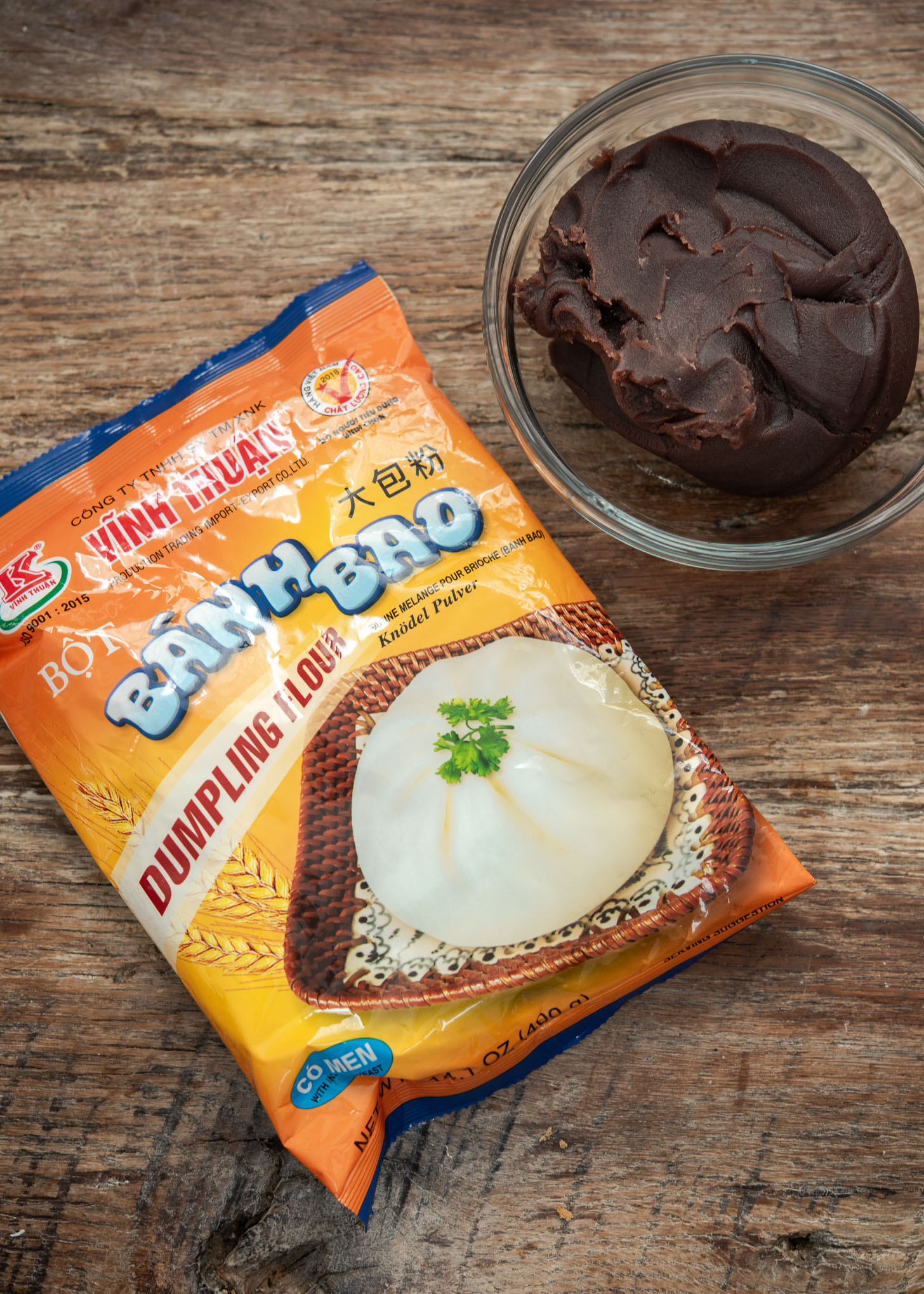
Flour: For snow-white, soft buns, I recommend bao flour. It’s a bleached, low-protein flour designed for steamed buns, producing a very light color and tender texture. If color matters less, you can substitute a mix of bleached all-purpose flour and cake flour. The buns will be slightly less white but still soft, with no noticeable difference in flavor.
Sweet Red Bean Paste: I use store-bought sweet red bean paste for this recipe. Good-quality packaged paste is smooth, balanced, and consistent, which gives hoppang the right soft filling without compromising flavor or texture. Making red bean paste from scratch doesn’t improve the result here and isn’t necessary for authentic-tasting buns.
Yeast + Baking Powder: Instant yeast works best for easy, reliable proofing and can be mixed directly with the dry ingredients. I also add a small amount of baking powder, which helps the buns steam up lighter and fluffier without affecting flavor. Active dry yeast can be used instead, but it should be dissolved in warm liquid first to ensure proper activation.
Liquid: I hydrate the dough with water and add powdered milk for richness. Using water alone tends to make the buns dry and firm as they cool, while fresh milk can dull the color because of its fat and protein content. The water and powdered milk combination keeps the buns soft while maintaining their bright, white appearance.
How to Make Hoppang (Step-by-Step)
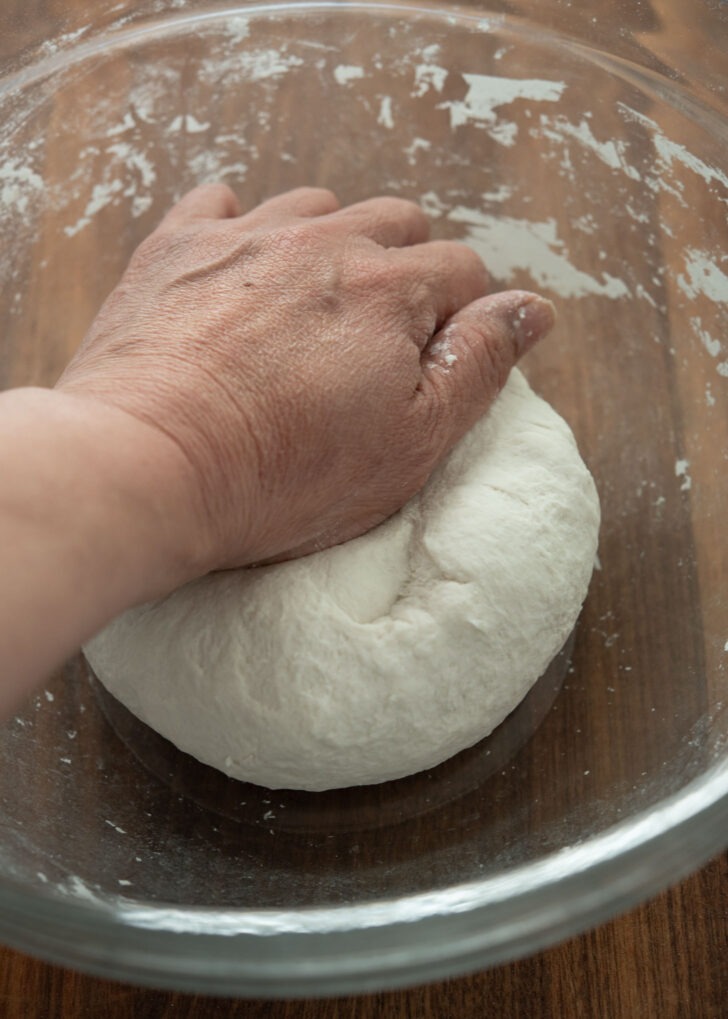
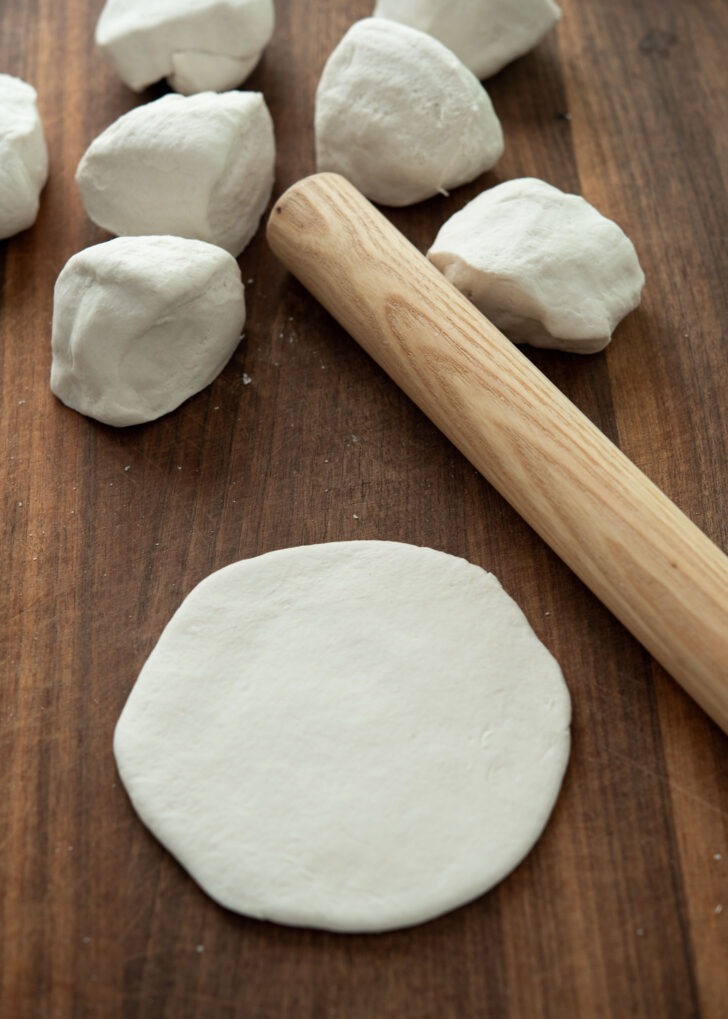
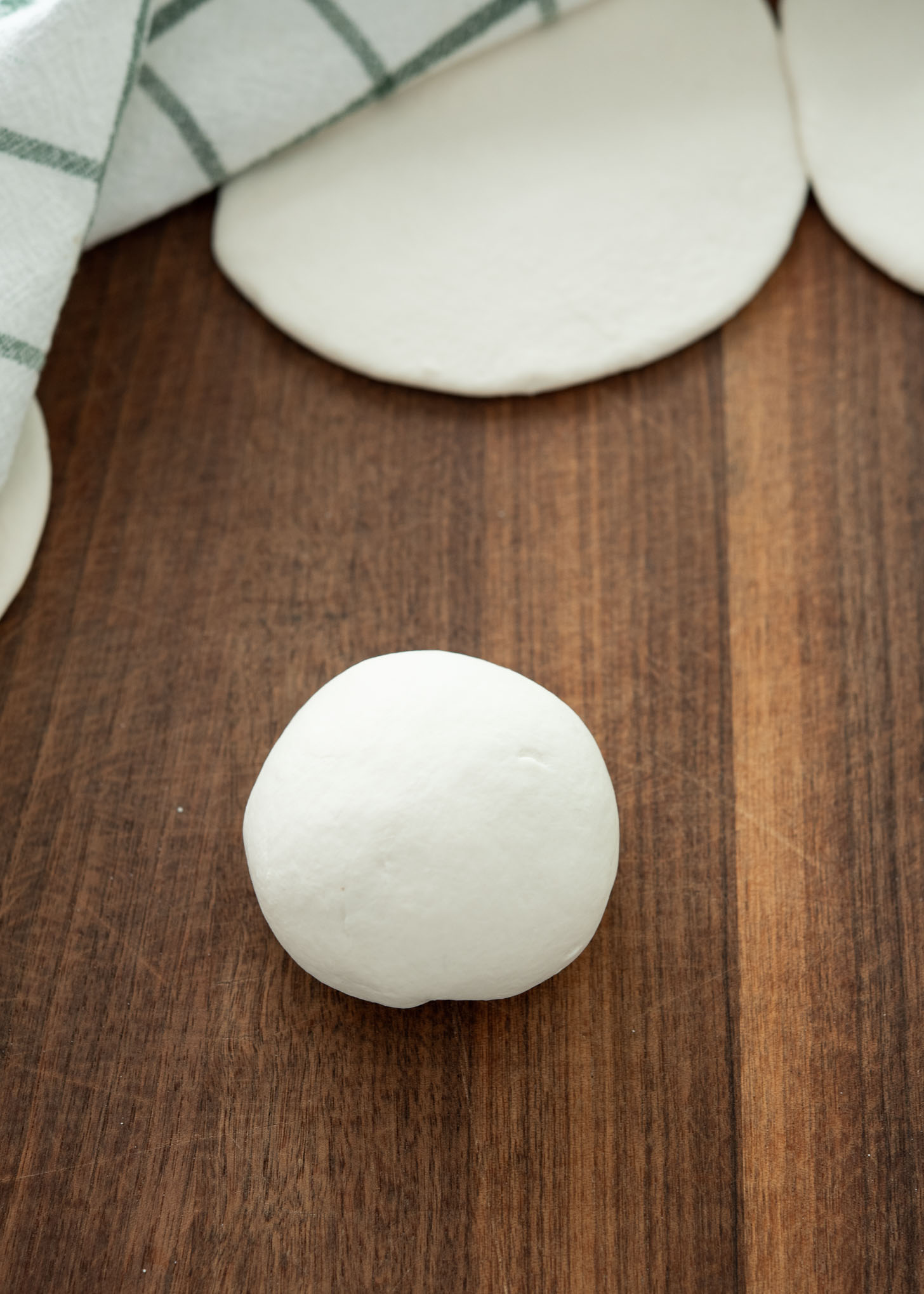
Start by mixing and kneading the dough just until it becomes smooth and elastic. You’re not looking for a long knead here—once the dough pulls cleanly from the bowl and feels supple, it’s ready. After resting briefly, divide it evenly and roll each piece into a round with slightly thinner edges and a thicker center. This helps the bun expand evenly during steaming.
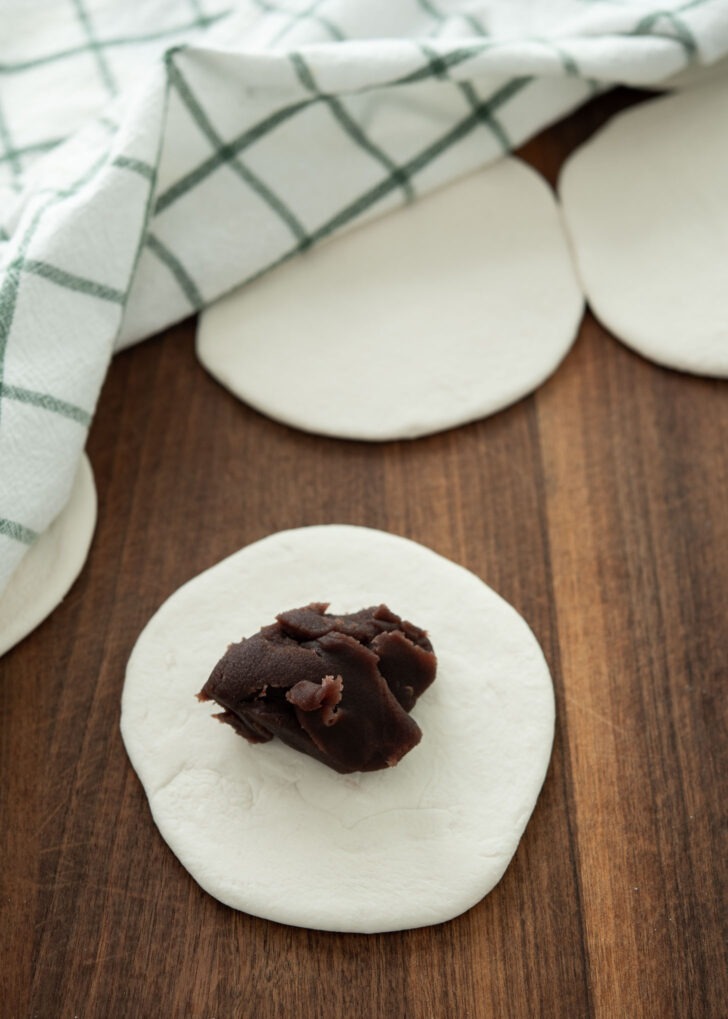
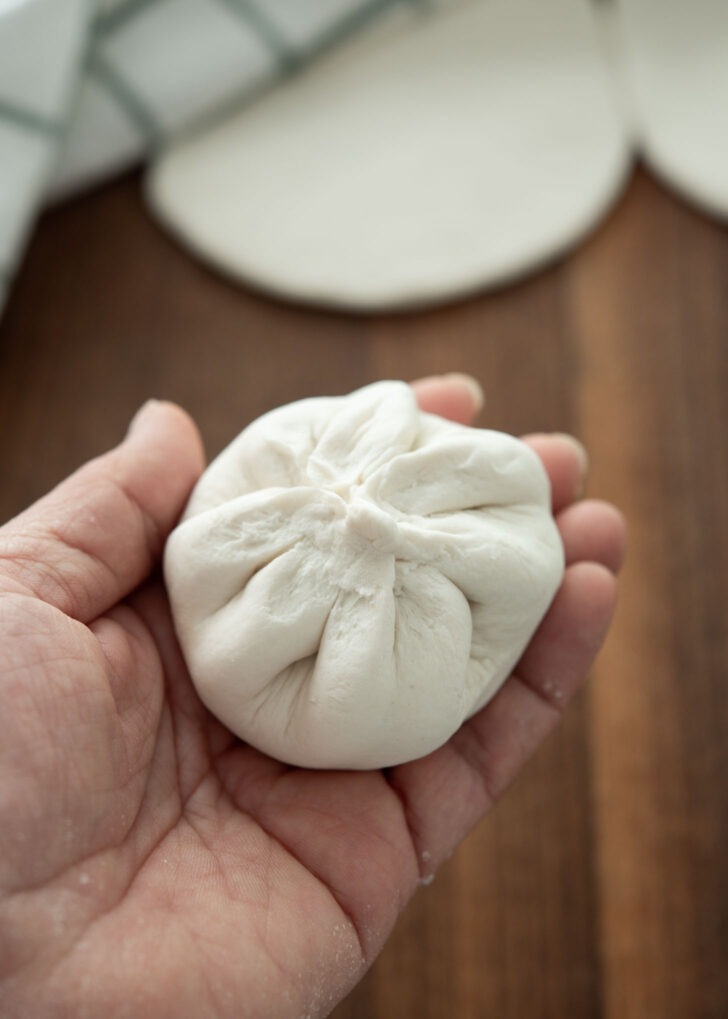
Place the red bean filling (about 2 tablespoonful) in the center and pinch the seam firmly to seal.
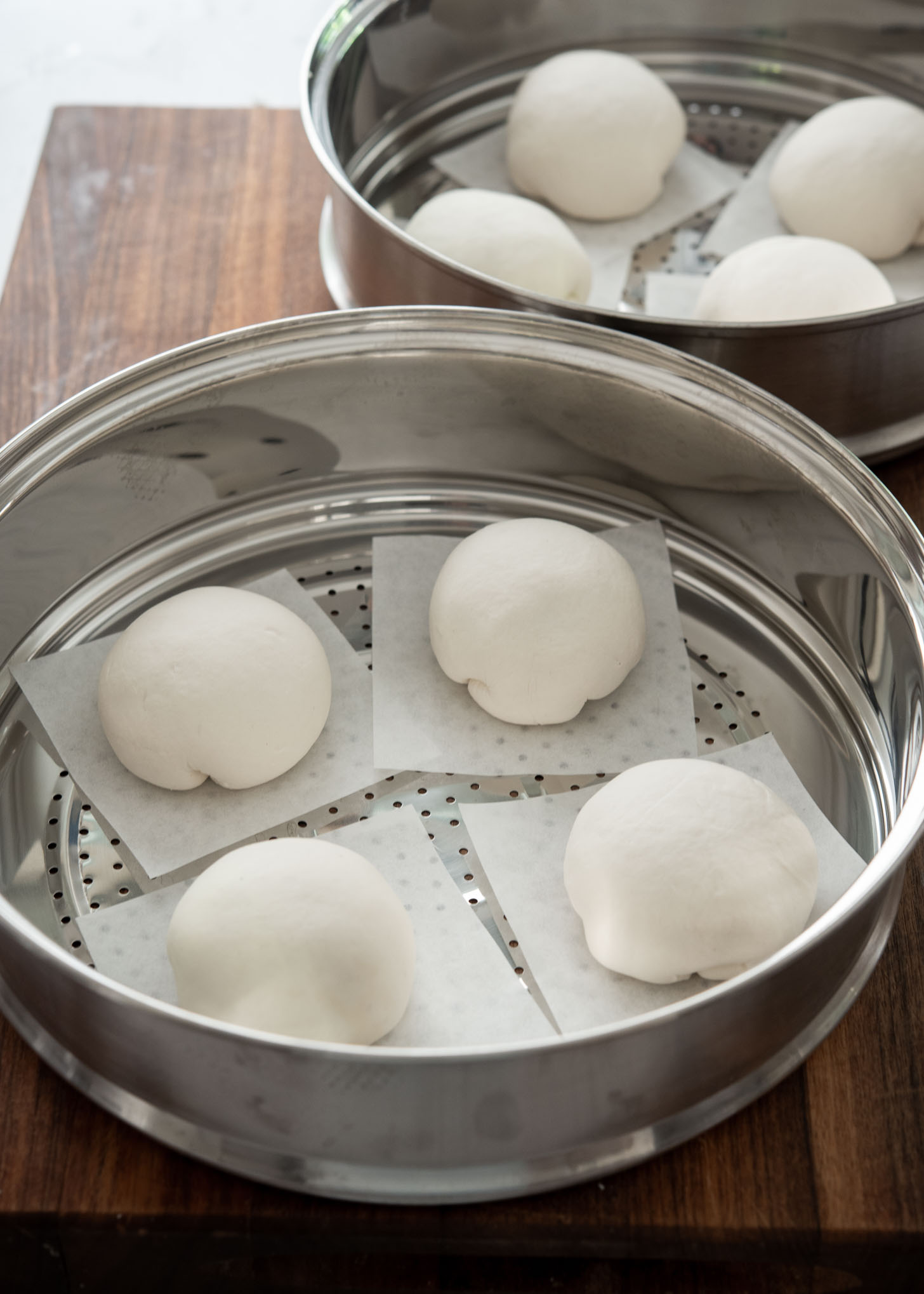
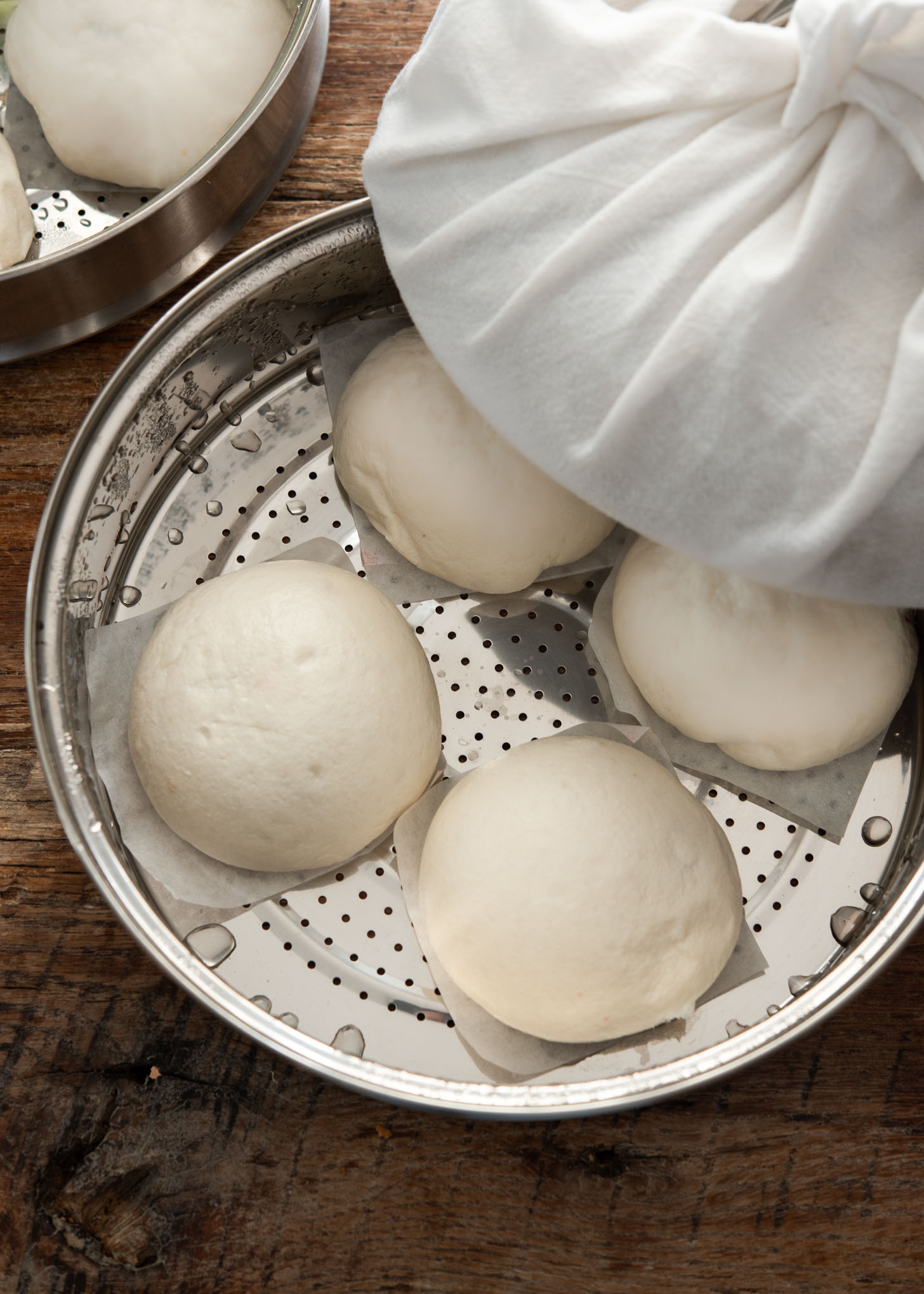
Set each bun on a small square of parchment and place them in the steamer with enough space to expand. Cover loosely and let them proof until visibly puffed, not doubled. Overproofed buns are more likely to collapse once exposed to steam.
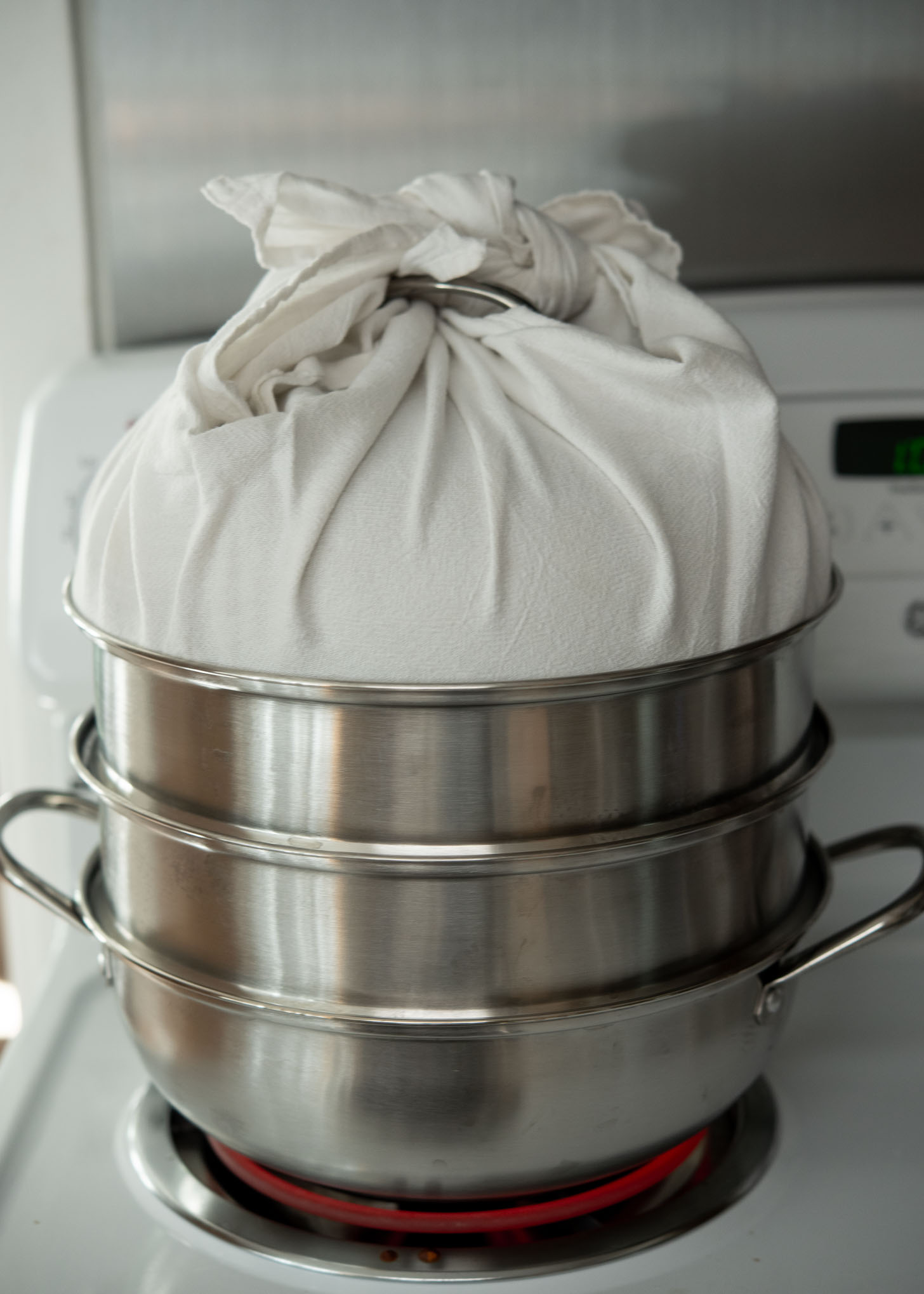

For steaming, use a tall steamer basket so the buns never touch the lid. Wrap the lid with a clean kitchen cloth before covering—this absorbs condensation and prevents water droplets from dripping onto the dough, which can cause wrinkling or collapse. Steam over steadily boiling water until the buns are fully cooked and set.
Once done, handle the buns gently. They’re delicate straight out of the steamer and will firm up slightly as they cool, keeping their soft, pillowy shape.
How to Store, Freeze, and Reheat Hoppang
Storing:
Hoppang is best eaten the day it’s made, when the buns are at their softest. If needed, store cooled buns in an airtight container at room temperature for the rest of the day. Refrigeration tends to dry out the dough, so it’s better avoided unless absolutely necessary.
Freezing:
Hoppang freezes very well. Let the steamed buns cool completely, then freeze them in a single layer before transferring to a freezer-safe bag or container. Freezing after steaming locks in moisture and preserves the soft texture, making it easy to enjoy later without quality loss.
Reheating:
For the best texture, reheat hoppang in a steamer until warmed through. Frozen buns can go straight into the steamer without thawing. If using a microwave, wrap the bun in a slightly damp paper towel and heat gently to prevent the dough from drying out.
I keep recipes like this alongside other comforting desserts in my Korean sweet treats collection.
Love this recipe? Rate it and share your experience in the comments below! On Instagram? Tag me to showcase your creation. For more delicious recipes, subscribe to our newsletter!

Hoppang (Korean Steamed Sweet Red Bean Buns)
Servings: 8
Prep Time: 10 minutes
Cook Time: 12 minutes
resting time: 30 minutes
Soft, pillowy Korean steamed buns filled with lightly sweet red bean paste. This homemade hoppang recipe uses simple ingredients and a reliable steaming method for authentic texture at home.
- 2½ cups (300 g) bao flour, or 1:1 mix of all-purpose flour and cake flour
- 1 tbsp (12 g) sugar
- 1½ tsp (5 g) instant yeast
- 1½ tsp (6 g) baking powder
- pinch salt
- 2 tbsp (14 g) powdered milk
- ⅔ cup (150 ml) lukewarm water, or more if needed
- 1 cup (240 g) sweet red bean paste
In a large bowl, combine the flour, sugar, instant yeast, baking powder, salt, and powdered milk. Add the water and mix until a dough forms.
Knead the dough until smooth and elastic, about 3–4 minutes. Cover and let rest for 10 minutes. Divide the dough into 8 equal portions. Roll each piece into a round, keeping the center slightly thicker than the edges.
Place about 2 tablespoons of sweet red bean paste in the center of each round. Pinch the seam tightly to seal.
Turn the bun seam-side down and gently roll to smooth the surface. Place each bun on a small square of parchment paper.
Arrange the buns in a steamer basket with space between them. Cover loosely and let proof until slightly puffed, about 30–40 minutes.
Bring water to a steady boil. Place the steamer over the boiling water and cover with a lid wrapped in a clean kitchen cloth.
Steam the buns over medium heat until fully cooked and fluffy, about 12–15 minutes. Remove from the steamer and let cool slightly before serving.
- Do not overproof the buns; they should look puffy, not doubled.
- A tall steamer basket prevents the buns from touching the lid and collapsing.
- Wrap the lid with a cloth to prevent condensation from dripping onto the buns.
Calories: 378kcal, Carbohydrates: 79g, Protein: 10g, Fat: 2g, Saturated Fat: 1g, Polyunsaturated Fat: 0.3g, Monounsaturated Fat: 0.4g, Cholesterol: 4mg, Sodium: 115mg, Potassium: 137mg, Fiber: 3g, Sugar: 18g, Vitamin A: 35IU, Vitamin C: 0.3mg, Calcium: 106mg, Iron: 4mg
Tag @beyondkimchee on Instagram. I love to see your masterpiece.




 English (US) ·