
 4 hours ago
2
4 hours ago
2
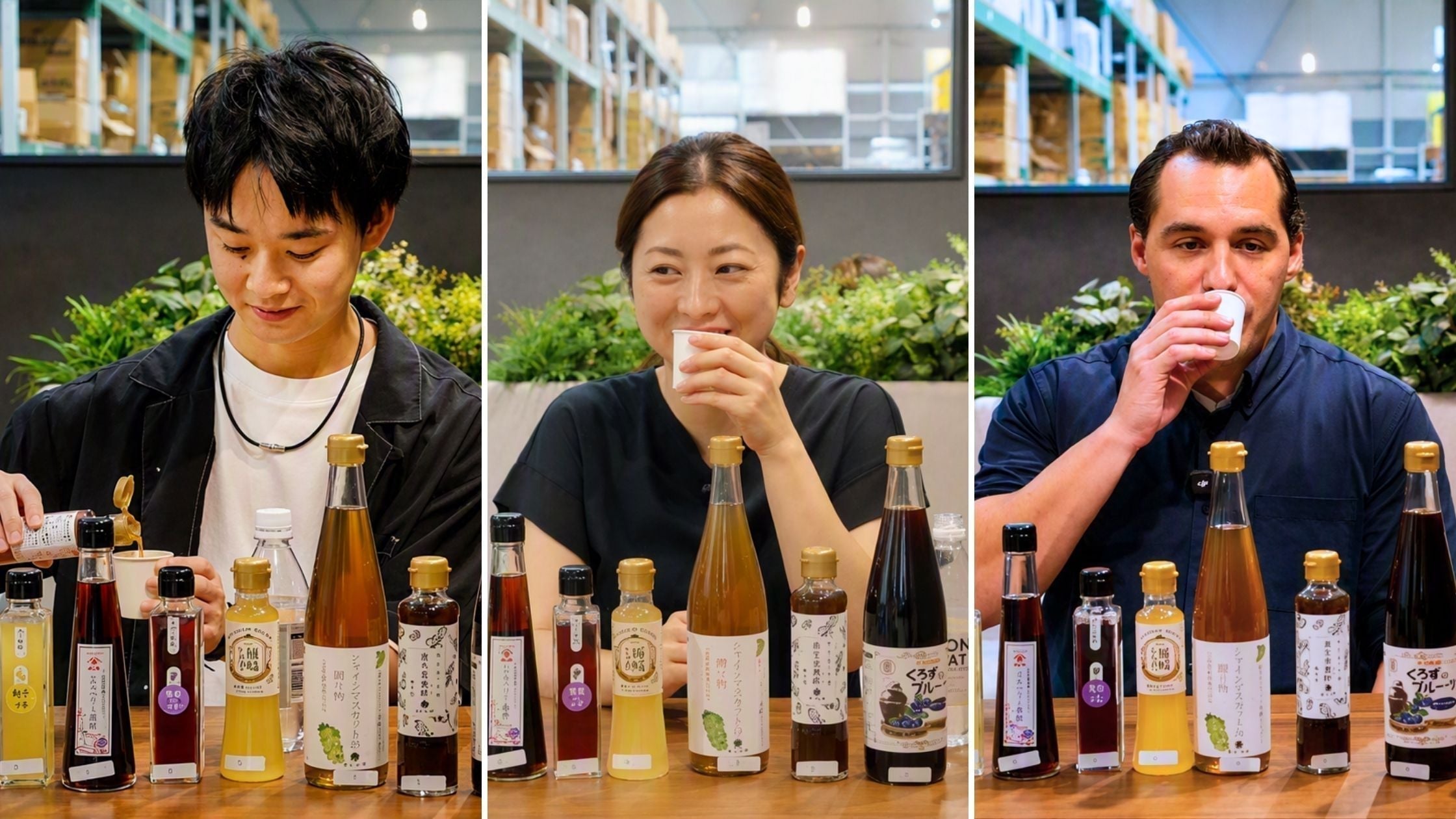
You pick up a bottle in a Japanese liquor shop and turn it around. On the back, you find a column of kanji and numbers: Junmai Ginjo, 55%, 15%, Yamada Nishiki, +3. So learning how to read a sake label means spotting which clues matter, and what each says about the drink. To read a sake label, first check five things: the grade name, polishing ratio, alcohol percentage, rice variety and special terms such as nama or genshu. A lower polishing ratio means the mill removed more rice, while a positive nihonshu-do usually points drier. These clues suggest a style, but they do not guarantee taste or quality. TOCWhat a Japanese Sake Label Can Tell You A Japanese sake label is a compact data sheet. Some items appear because Japanese rules demand them, while others appear because the brewery wants you to know. Together, they point toward style, strength, freshness and origin. Quick Facts: Reading a Sake Label Normally on the bottleCategory word (seishu or nihonshu), ingredients, alcohol, volume, and producer information. Grade namesEight special designations, each with its own legal rules. Key numberPolishing ratio, which must appear whenever a grade name does. Taste numbersNihonshu-do, acid...
Related
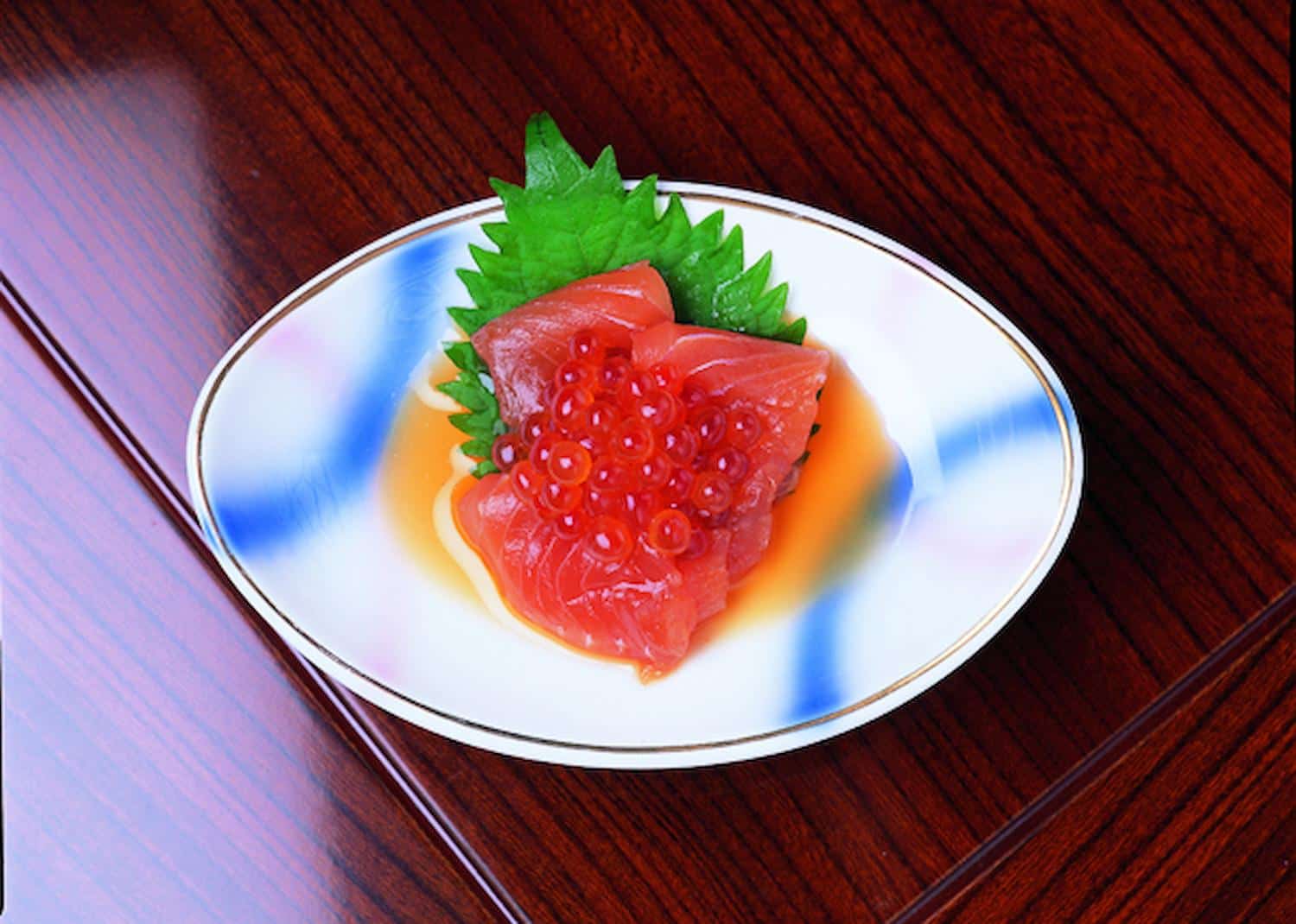
Kōyō-zuke (紅葉漬)
12 hours ago
4
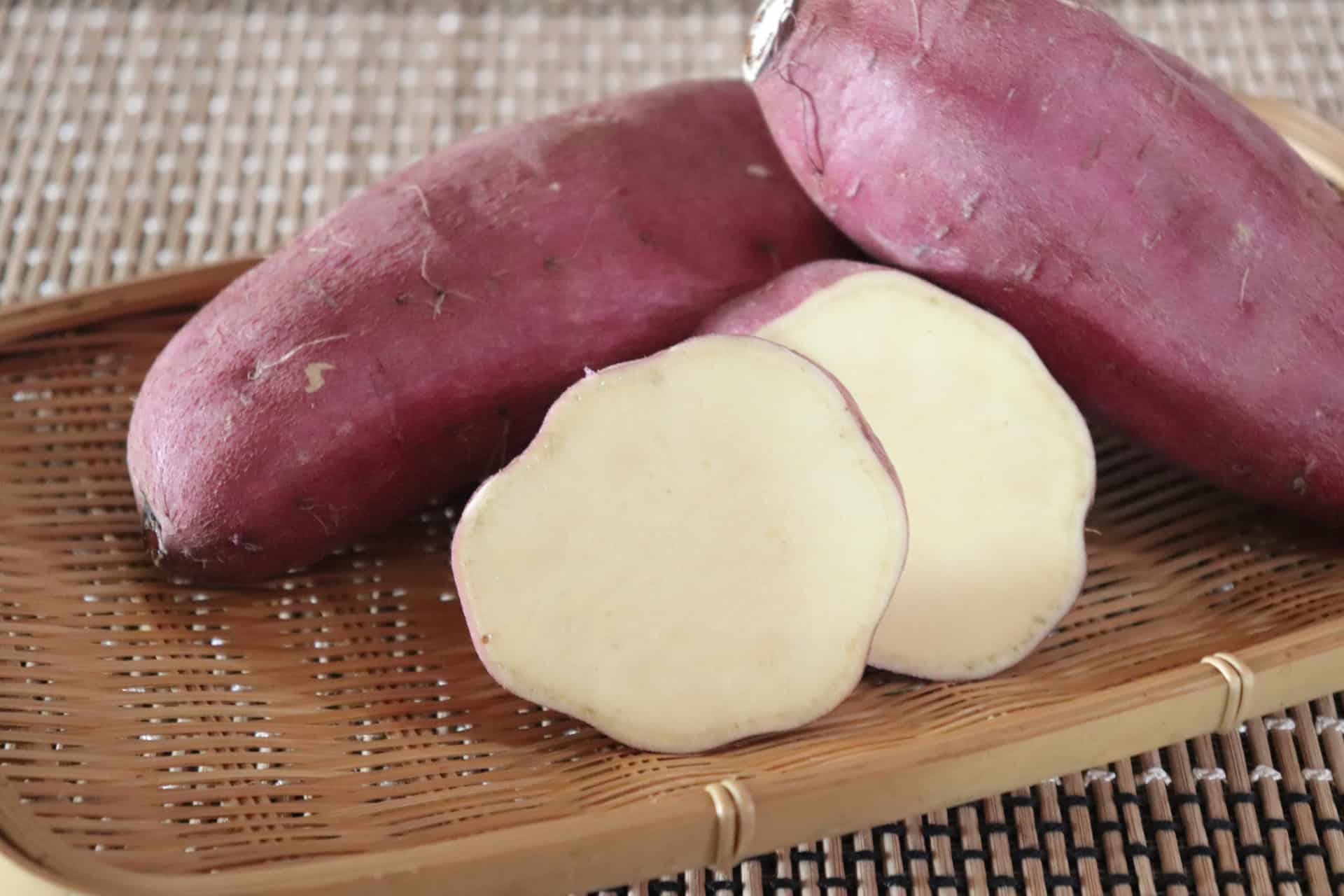
Beniazuma Sweet Potato (紅あずま)
15 hours ago
5
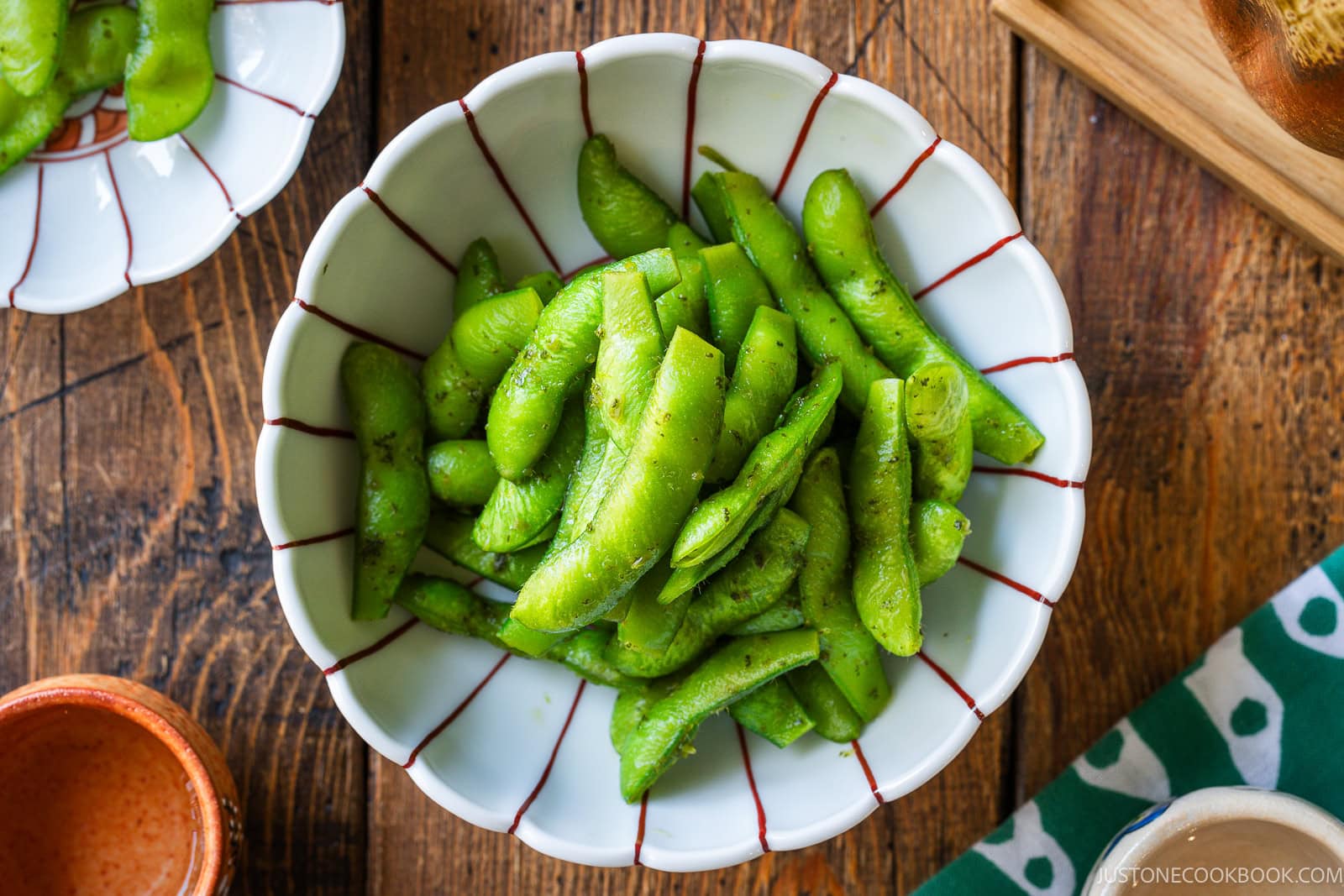
Yuzu Kosho Edamame 柚子こしょう枝豆
1 day ago
7

Popular

Marry Me Pork Chops
1 month ago
81
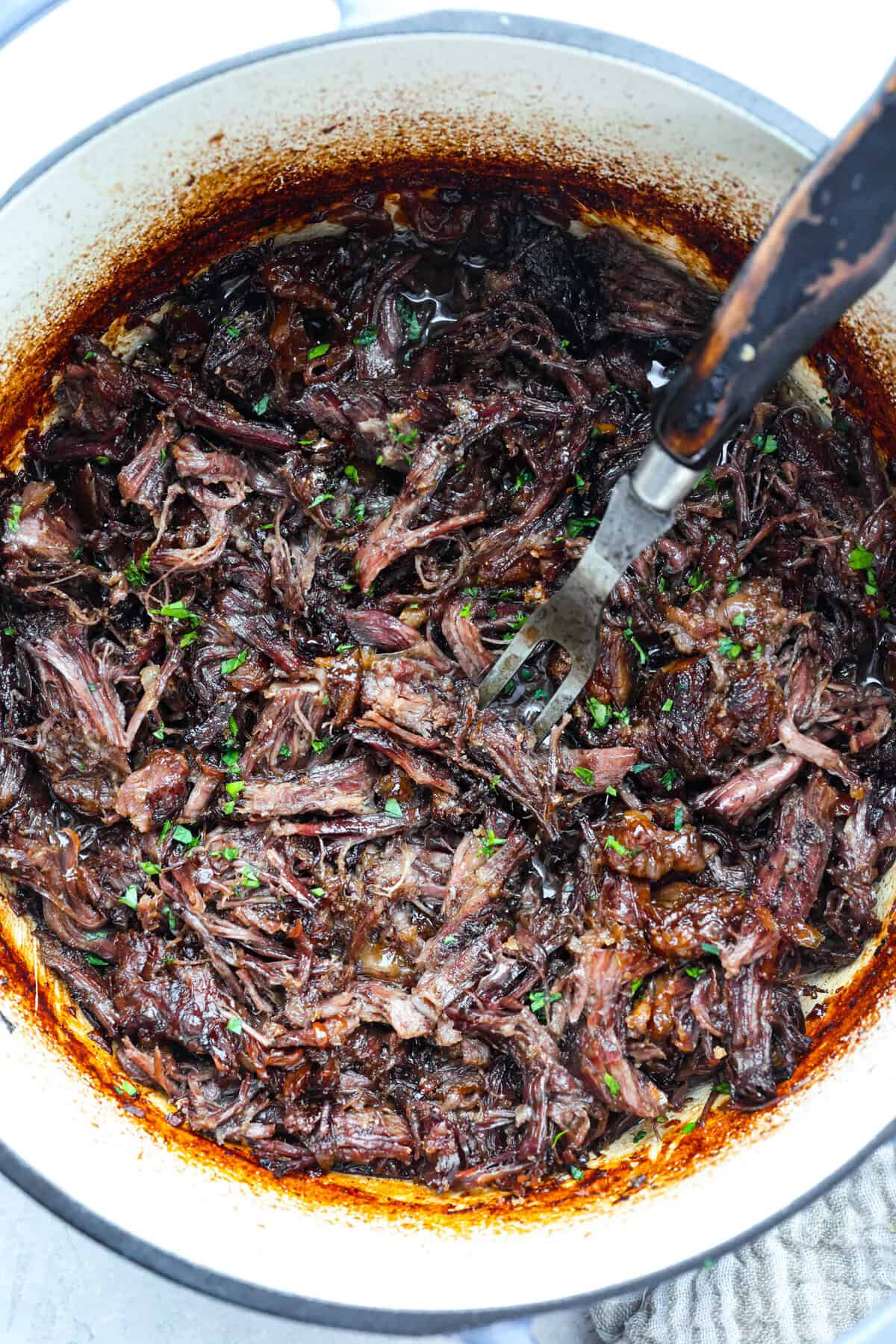
Caramelized Chuck Roast
3 weeks ago
76
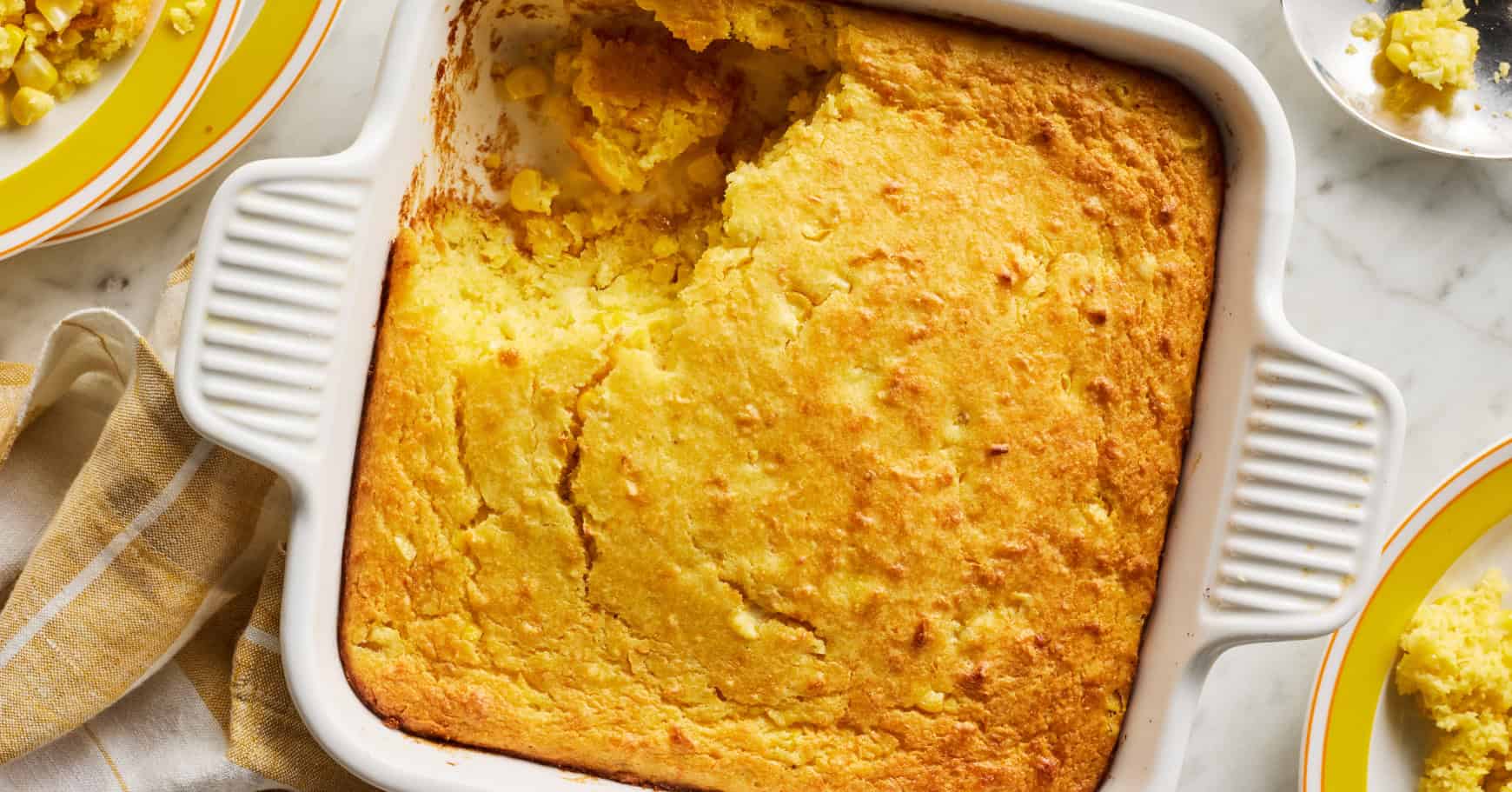
Corn Casserole
3 weeks ago
66

Weekly Meal Plan #103
3 weeks ago
61
 English (US) ·
 © Daily Food 2026. All rights are reserved
