
 1 month ago
91
1 month ago
91
Japan enters 2026 with its food scene transforming rapidly. Health trends and global curiosity drive these changes. Rice faces challenges from rising bread and noodle popularity. The food industry adapts to meet evolving dietary preferences. These shifts reshape traditional Japanese meals. Consider how this balance might influence your culinary adventures.
TOC
Rice and Its Enduring Legacy in Japanese Cuisine
Historical significance of rice in Japanese meals
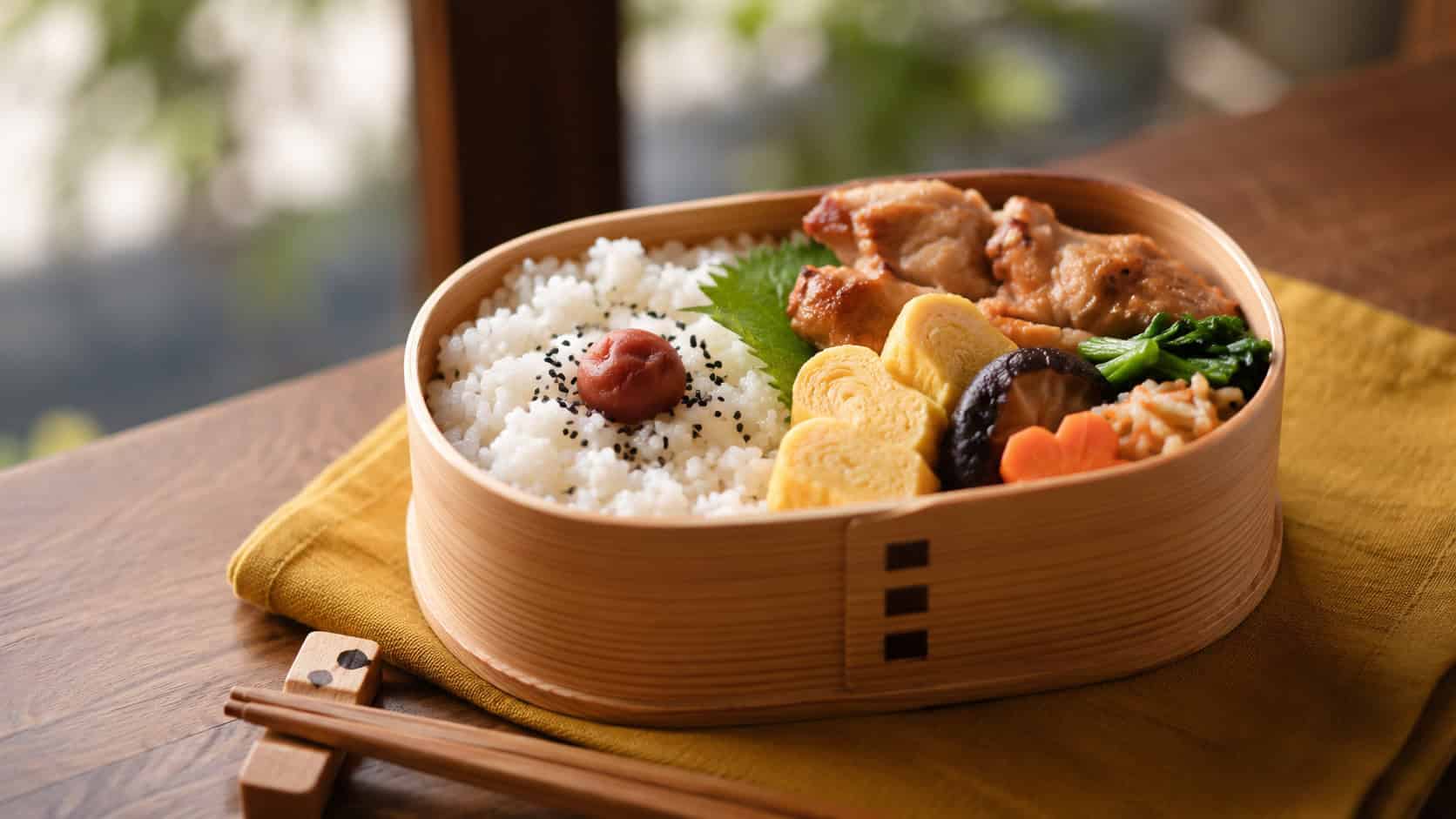
Rice represents more than just food in Japan. It symbolizes culture and intertwines with national history. Japanese people have cultivated rice for over 2,000 years. The grain plays vital roles in traditional meals and rituals. Many see rice as a divine gift. Festivals celebrate it. People respect it in everyday life.
The imperial court once hosted elaborate rice feasts. Every household serves humble rice bowls today. Rice provides sustenance and strengthens community bonds. Sharing meals fortifies social connections. Modern cuisine evolves constantly. Yet rice remains pivotal. It adapts to new dietary trends. It maintains historical roots simultaneously. This ancient grain continues defining modern Japanese dining.
Rice consumption trends from postwar to present
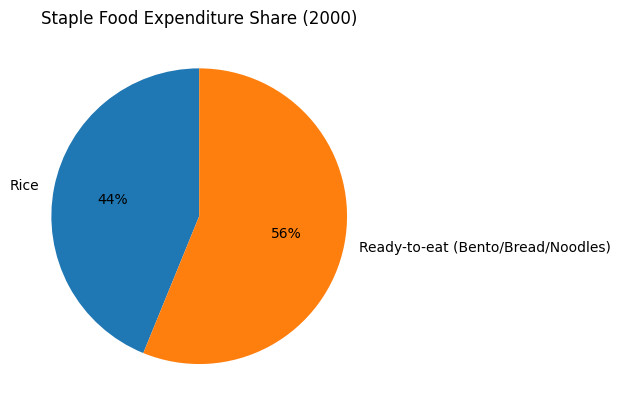
Postwar Japan consumed rice at peak levels. The grain symbolized rebirth and stability. Decades passed and consumption gradually declined. Dietary preferences diversified across the nation. The food industry responded with variety. Producers offered bread and noodles alongside rice. Modern meal patterns changed significantly.
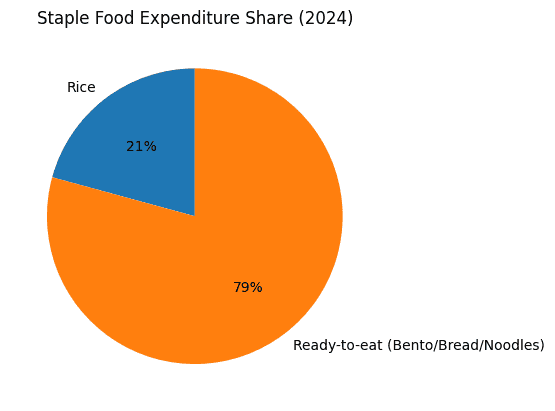
Despite these shifts, rice remains essential. Its versatility ensures continued relevance. Cultural significance preserves its importance. Traditional meals have recently resurged. Health-conscious consumers rediscover rice’s nutritional benefits. Contemporary diets explore organic grains. Unprocessed options attract attention. Innovative preparations capture young and old alike. How will tradition and modernity balance rice’s future?
Recent Data: What Japanese People Eat in 2026
Analysis of 2026 Japan’s Staple Food consumption statistics
The staple food landscape evolved significantly in 2026. Socio-cultural shifts drive these changes. Health trends reshape eating patterns. People prefer healthier and varied diets. White rice now shares the spotlight. Oats and whole grains gain popularity.
Rice continues holding a revered position. Yet its dominance faces challenges. Bread products surge in popularity. Older demographics especially favor bread for breakfast. Technology transforms food delivery services. Global cuisines become more accessible. Meal patterns diversify considerably.
This shift indicates broader acceptance. People modernize traditional meals willingly. They maintain balance with traditional staples. These changes might influence your meal planning. Consider experimenting with new culinary approaches.
Survey insights from households and food industry reports
Recent surveys reveal fascinating insights. Households consciously reduce rice intake. They incorporate more vegetables and proteins. Health concerns drive these decisions. Balanced nutrition becomes a priority.
The food industry adapts quickly. Producers offer innovative products constantly. They blend traditional flavors with modern needs. Gluten-free noodles appear on shelves. Fortified rice varieties attract buyers. Economic factors influence choices too. Staple food prices fluctuate regularly. These fluctuations affect purchasing decisions.
Meal patterns grow more flexible. Diverse dietary preferences find acceptance. The food industry continues innovating. What new cuisine trends excite you?
Changing Japanese Meal Patterns: Bread, Noodles, and Western Influences
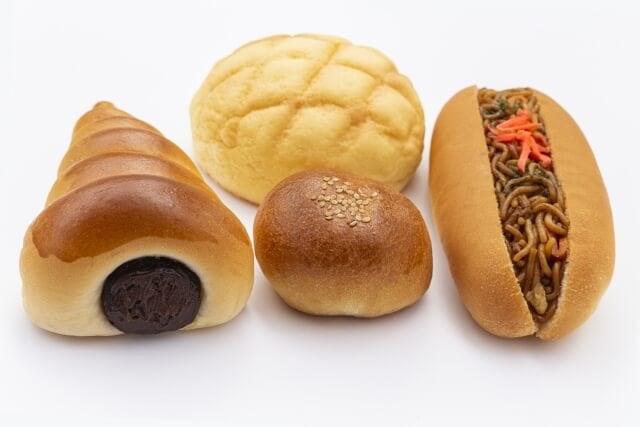 Delicious Japanese baked goods including bread, pastries, and a sweet roll perfect for authentic Japanese cuisine.
Growth in bread and noodle consumption
Bread and noodle consumption increased significantly recently. Traditional meal patterns shift accordingly. Rice historically dominated Japanese cuisine. Household surveys show changing preferences now. Elderly people especially favor bread for breakfast.
Noodles become lunchtime favorites. People in their 60s consume more noodles. Those above 60 follow similar patterns. Food habits evolve continuously. Families explore new flavors enthusiastically. They seek convenience in daily meals.
Modern cuisine embraces these changes. Rice-dominant tables now share space. Various carbohydrate options appear regularly. Do you seek more variety yourself?
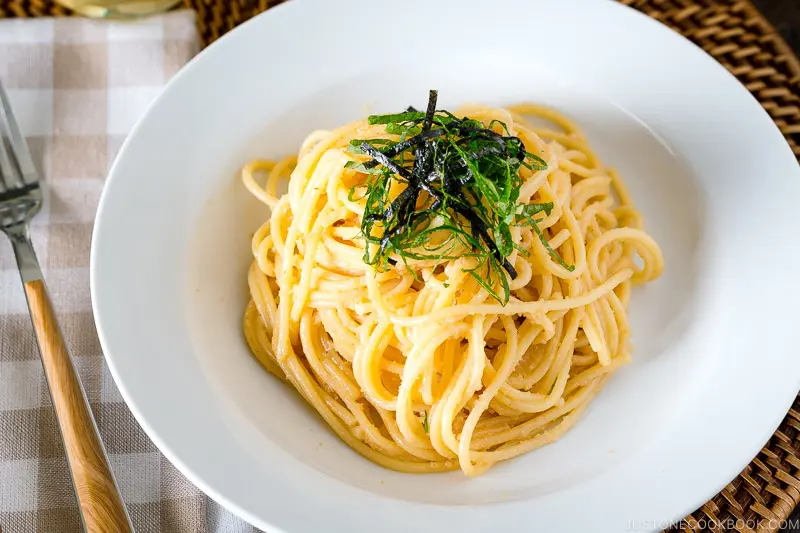 Classic Japanese pasta dish with savory flavors and fresh toppings.
Western and global cuisine impact on daily meals
Western cuisine influences Japanese diets significantly. Global flavors expand the culinary landscape. Traditional meals face new competition. The food industry embraces this trend. Households incorporate Western-style dishes weekly. International flavors appear on menus regularly.
This globalization reshapes food trends. Pasta finds its place. Pizza gains popularity. Even quinoa sits alongside traditional dishes. Changing palates drive these shifts. Diverse food cultures find openness. Meal patterns evolve continuously.
These influences reshape “traditional” meal definitions. Do similar trends appear in your dining?
Impact of convenience culture on food choices
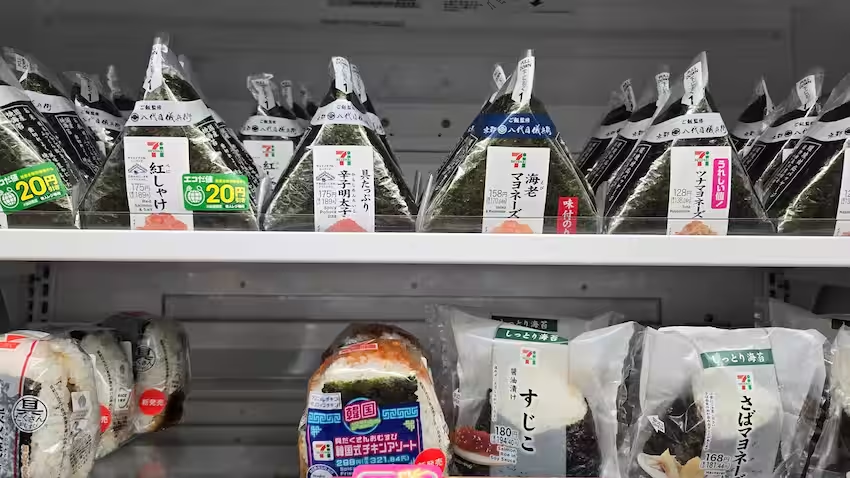 convinience store onigiri
Convenience shapes modern eating habits. Busy lifestyles demand quick solutions. Ready-made meals gain market share. Convenience stores expand their offerings. They provide diverse options now.
Single-person households increase nationwide. These households prioritize convenience highly. Pre-packaged foods sell well. Microwave-ready options dominate shelves. Time-saving products attract working professionals. Students also prefer quick meals. Convenience culture transforms traditional cooking patterns. Does convenience influence your food choices?
Health Trends and Staple Food Choices
Shift towards protein-rich or low-carb diets
Japan trends toward protein-rich diets recently. Low-carb options gain popularity too. Health and fitness awareness increases. People reconsider traditional meal patterns. Rice served as a cornerstone historically.
Many now choose alternatives. Quinoa offers higher protein content. Barley provides similar benefits. Food habits reflect global movements. People prioritize muscle-building goals. Weight management concerns grow.
These changes impact cultural landscapes. Do they signal healthier Japan? Or do they abandon cherished traditions? This trend could reshape food futures. Consider how dietary practices evolve continually.
Role of functional and alternative grains
Functional grains take center stage now. Alternative options attract health-conscious consumers. People seek grains providing health benefits. This strongly impacts the food industry.
Ancient grains gain mainstream acceptance. Millet offers nutritional value. Amaranth provides health benefits too. Both aid digestion effectively. They boost immunity naturally. Modern cuisine integrates these grains. Balanced diets attract many people. New flavors intrigue curious eaters.
These grains impact health positively. They also affect cultural practices. Can alternatives coexist with traditional staples? Will they redefine staple food definitions? Innovation and tradition must balance carefully.
Rise of fermented and probiotic foods
Fermented foods experience renewed interest. Consumers recognize probiotic benefits widely. Traditional fermented products return prominently. Miso consumption increases steadily. Natto finds new appreciation. Pickled vegetables regain popularity.
Modern science validates traditional wisdom. Gut health concerns drive demand. Yogurt sales grow significantly. Kombucha enters mainstream markets. Kimchi crosses cultural boundaries. Japanese households embrace diverse fermented options.
Health experts endorse fermented foods. They recommend regular consumption. Digestive benefits attract attention. Immune system support matters greatly. Do you include fermented foods regularly?
Modern Japanese Cuisine: Innovation Meets Tradition
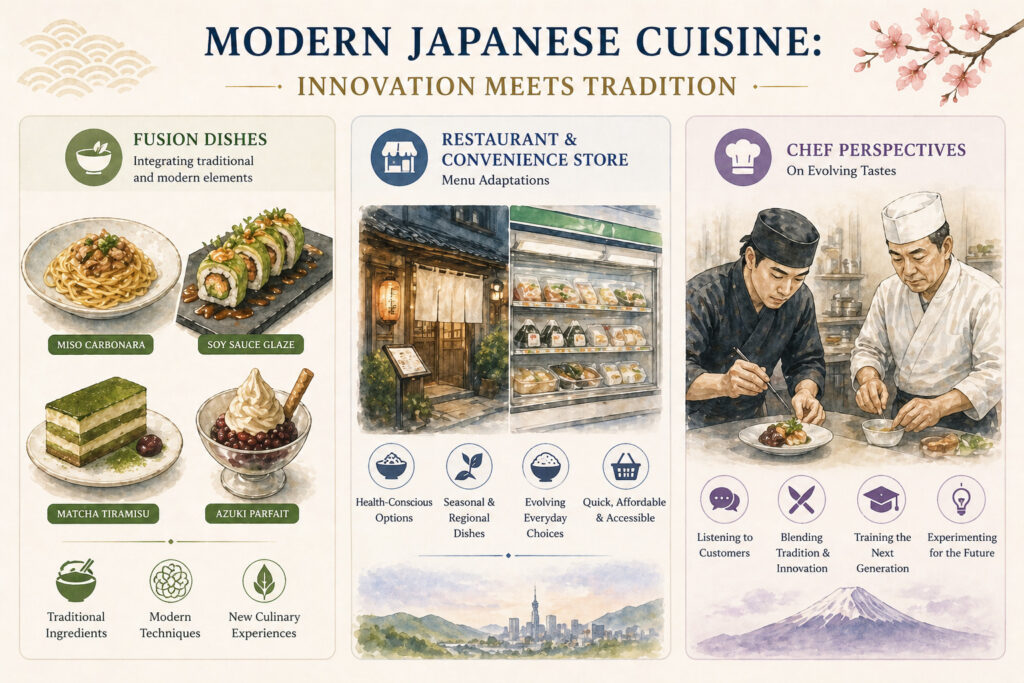
Fusion dishes integrating traditional and modern elements
Modern cuisine blends traditional and contemporary flavors. This fusion captivates local food enthusiasts. International diners appreciate it too. Chefs redefine culinary boundaries creatively. They blend age-old recipes with innovations. Delightful gastronomic experiences result.
Miso appears in Western-style dishes. Soy sauce adds unique depth. These ingredients provide quintessential umami. Creative fusion extends to desserts. Matcha pairs with Western confections. Azuki beans create novel treats. They intrigue palates successfully.
Traditional ingredients integrate into modern dishes. This preserves Japanese cuisine’s essence. It ensures relevance simultaneously. Are you ready for this journey? Tradition meets innovation deliciously.
Restaurant and convenience store menu adaptations
The food industry witnesses dynamic shifts. Restaurants adapt menus to current trends. Convenience stores follow suit. Quick and affordable options evolve. Health-conscious choices appear widely.
Stores introduce low-carb rice alternatives. Multi-grain bread gains shelf space. Growing health awareness drives these changes. Restaurants experiment with traditional meals. They offer seasonal dishes regularly. Region-specific options attract customers. Modern twists appeal to diverse clientele.
These adaptations embrace change thoughtfully. They respect deep-rooted meal patterns. Long-cherished traditions remain valued. Locals and visitors explore evolving menus. Fresh perspectives emerge constantly. What’s your take on these adaptations?
Chef perspectives on evolving tastes
Chefs observe changing preferences closely. They adapt techniques accordingly. Customer feedback guides menu development. Young chefs experiment boldly. Traditional masters preserve techniques carefully.
Many chefs balance both approaches. They respect historical methods. They embrace modern innovation simultaneously. Training programs evolve continuously. Culinary schools teach fusion techniques. Students learn traditional foundations first.
Restaurant kitchens become creative laboratories. Chefs test new combinations daily. Successful dishes reach menus quickly. Failed experiments teach valuable lessons. This dynamic process drives cuisine forward.
Impact on the Japanese Food Industry
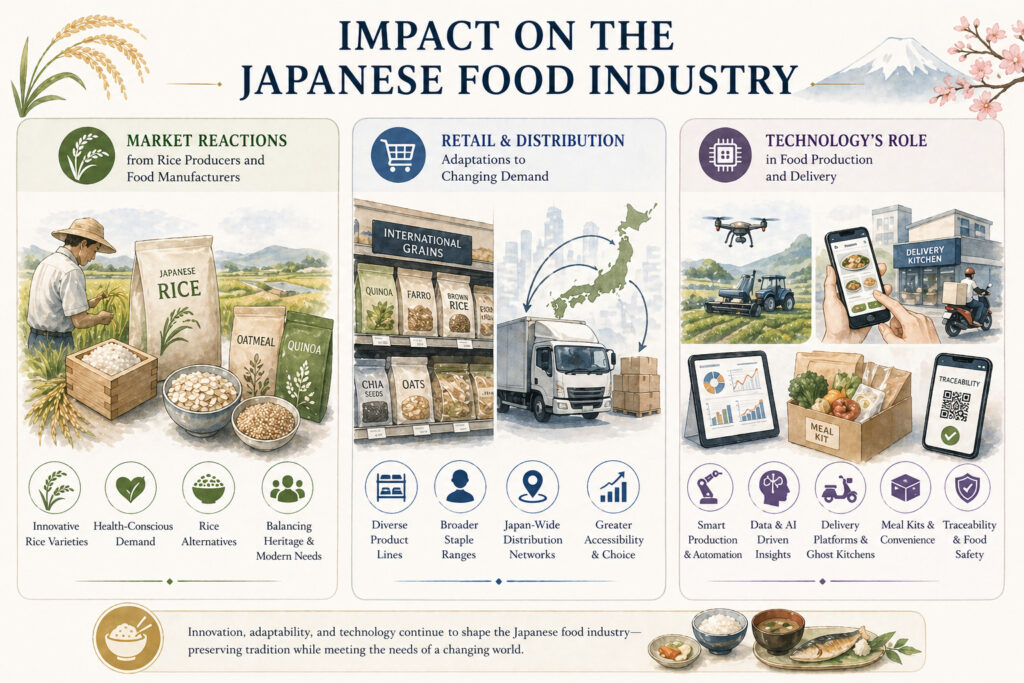
Market reactions from rice producers and food manufacturers
Food trends pose unique challenges. They create opportunities simultaneously. Consumers turn toward diverse staples. Traditional rice producers must innovate. They need to maintain market share.
Producers develop new rice varieties. These cater to modern tastes. Health-conscious consumers drive demand. Food manufacturers expand their offerings. They include rice alternatives now. Oatmeal and quinoa appear regularly.
Such innovations respond to current habits. They help preserve rice’s central role. Traditional meals continue in reinvented forms. Industries navigate these changes carefully. They balance modern demands with heritage preservation. What future trends will emerge?
Retail and distribution adaptations to changing demand
Modern cuisine prompts significant adaptations. Retail strategies evolve constantly. Distribution methods change too. Retailers diversify product lines. They incorporate broader staple ranges. Varied consumer preferences drive this.
International grains receive more shelf space. Healthier options expand significantly. This aligns with shifting meal patterns. Distribution networks optimize continuously. Diverse products reach Japan-wide. Accessibility improves for experimental consumers.
These adaptations reflect keen awareness. The changing landscape demands flexibility. The industry remains relevant and competitive. How will strategies reshape eating habits?
Technology’s role in food production and delivery
Technology revolutionizes food production. Automation increases efficiency significantly. Smart farming improves crop yields. AI predicts consumer preferences accurately. Data analytics guide product development.
Delivery platforms transform meal access. Apps connect consumers with restaurants. Ghost kitchens emerge rapidly. They serve delivery-only customers. Meal kit services grow popular. They provide convenience and variety.
Blockchain ensures food traceability. Consumers verify product origins easily. Quality assurance improves dramatically. Food safety protocols strengthen constantly. Technology will continue reshaping industry practices.
Expert Opinions and Future Outlook for Japan’s Staple Foods
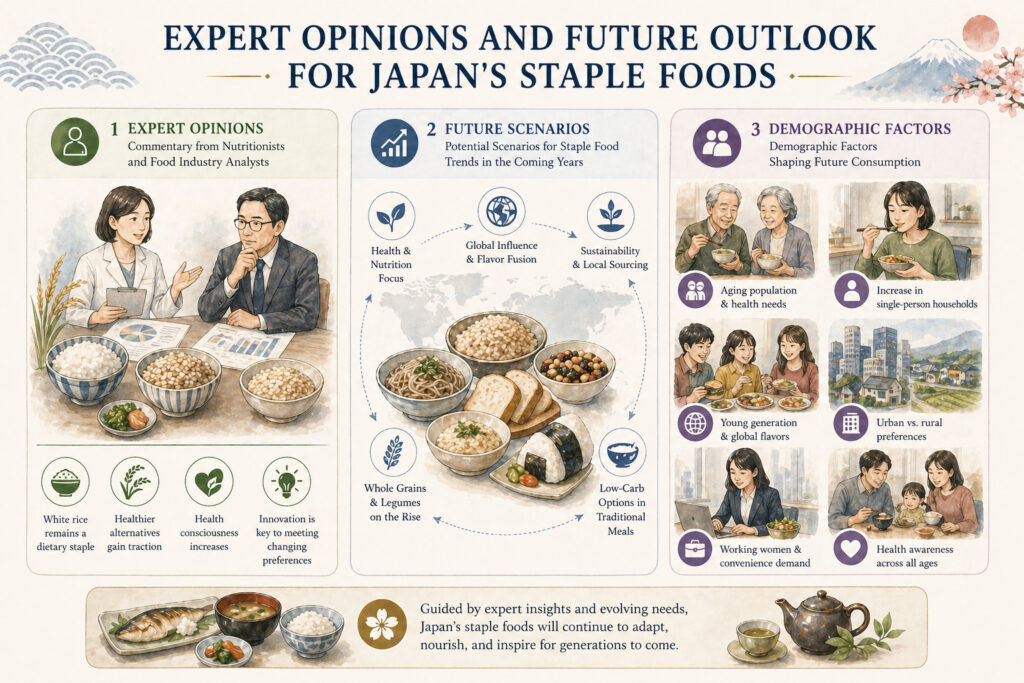
Commentary from nutritionists and food industry analysts
Nutritionists shape staple food discussions. Food analysts contribute valuable insights. Experts emphasize balance in traditional meals. Japanese staples remain central to diets. However, cuisine integrates diverse ingredients now.
White rice remains a dietary staple. Yet healthier alternatives gain traction. Brown rice attracts health-conscious consumers. Oatmeal finds growing acceptance. Health consciousness increases across demographics.
The food industry must innovate continuously. Changing preferences demand adaptation. Plant-based options should increase. They align with global health trends. What changes do you foresee becoming mainstream?
Potential scenarios for staple food trends in the coming years
Several scenarios emerge looking ahead. The aging population concerns itself with health. Nutritious foods will see rising demand. Easily digestible options matter greatly.
Whole grains could surge in popularity. Legumes might gain market share. Low-carb alternatives will appear in traditional meals. Global food trends influence local tastes. Flavor fusion will likely increase. Traditional cuisine will merge with international tastes.
The food industry might embrace sustainability. Locally-sourced ingredients could dominate. Interest in sustainable practices will grow. Consider how trends might influence you. The vibrant world of Japanese cuisine evolves constantly.
Demographic factors shaping future consumption
Demographics drive consumption patterns significantly. Aging populations require different nutrition. Easy-to-chew foods gain importance. Single-person households increase steadily. Portion sizes adjust accordingly.
Young generations embrace global flavors. They experiment with foreign cuisines. Urban populations access diverse options. Rural areas maintain traditional preferences. Income levels affect food choices.
Working women influence meal patterns. Convenience products see higher demand. Health awareness spans all age groups. These factors will continue shaping trends.
Conclusion of Japan’s Staple Food 2026
Japanese cuisine witnesses fascinating evolution in 2026. Revered rice traditions balance with modern trends. Rice remains a cornerstone in meals. It provides cultural and nutritional value. Diversification toward bread and noodles continues undeniably. Alternative grains gain acceptance steadily.
Health consciousness influences these shifts. Food preferences globalize increasingly. The food industry innovates in response. Producers offer wide arrays of choices. They cater to contemporary tastes. They respect traditional values simultaneously.
Consider how these trends impact you. Do new flavors attract you? Or do you prefer sticking with tradition? Share your thoughts and experiences freely.
Explore Western cuisine’s influence on Japanese patterns. Delve into innovative fusion dishes. Japan’s culinary journey continues evolving. Your exploration can enrich this journey.
References
[1] – https://www.nipponham.co.jp/tanpaku/column/staple-food/
[2] – https://news.yahoo.co.jp/articles/ebb5e9fd5b7097b22fb59750369ead2cc2fefc67
[3] – https://pro.gnavi.co.jp/magazine/t_res/cat_8/a_4804/
[4] – https://gallery.intage.co.jp/komesoudou/
[5] – https://jccu.coop/info/newsrelease/2025/20251120_01.html



![STOP SCROLLING❗️ Korean FIRE Cheese Buldak Recipe you will use OVER & OVER [Spicy Chicken] 치즈 불닭](https://i.ytimg.com/vi/io1dzjTdt5s/maxresdefault.jpg)



 English (US) ·