
 3 weeks ago
31
3 weeks ago
31
Japanese local food has a special name: kyodo ryori. These dishes often show how smart a community is. They cooked using just what they had, based on their weather and resources. Izumiya (いずみや) is a unique meal from Ehime Prefecture. It is a perfect example of this smart cooking. Unlike pricey sushi, Izumiya comes from an old idea called mottainai. This simply means respecting every resource and not wasting anything.
The main food in Izumiya is okara. This is the healthy pulp left over after people make tofu from soybeans. Because people often made their own tofu, they always had okara. Using okara in Izumiya shows it was very important, not just a filler. It was a cheap and easy way to get protein and fiber. This really mattered when food like rice was too expensive or hard to find. Izumiya proves clever cooks can take food “scraps” and turn them into a great dish that helps define their home area.
Defining the Core Ingredient: Okara (Tofu Pulp)
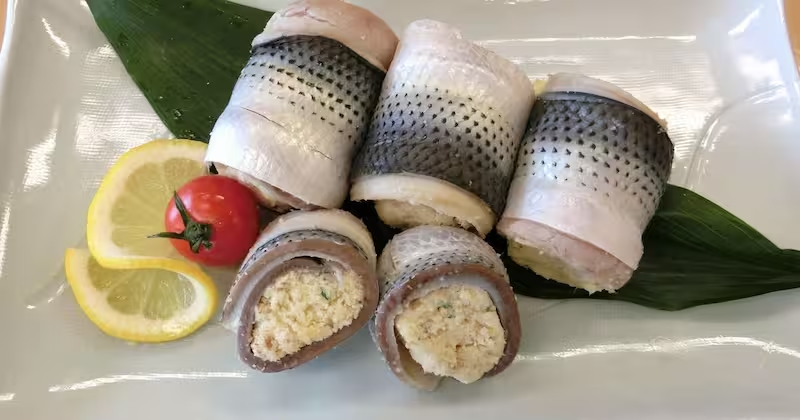
Okara, the main food in Izumiya, has different names across Japan. For your health, okara is very good. It keeps many healthy parts from the tofu process, like protein, fiber, vitamins, and calcium. Today, it is still seen as healthy. It has few calories but lots of fiber. For Izumiya, the pulp is flavored to taste sweet and sour. Its soft feel also lets it soak up the seasonings and fish stock. This makes the pulp the key source of flavor, not just a plain base.
First Bite: A Textural Surprise
Honestly, I didn’t know what to expect. The appearance is quite humble, but the moment you put it in your mouth, the texture is just… different. The seasoned okara (soybean pulp) is incredibly moist and almost feels like a light, fluffy snow on your tongue . It crumbles slightly, which was a surprise.
Unpacking the Flavor Profile
The taste is gentle. It’s not overpowering at all. The vinegar from the fish subtly seeps into the surrounding unohana, creating this really delicate, savory harmony. I wondered if the fish would be too sour, but it was perfectly balanced. There’s also a faint hint of ginger cutting through .
Why This Dish Feels So Special
Beyond just eating, you feel the history. Knowing it was a clever way for common people to enjoy a festive meal without expensive rice adds a layer of meaning . It’s wholesome, satisfying, and leaves you feeling oddly comforted. I think I’d order it again just for that nostalgic, gentle feeling.
Izumiya and History
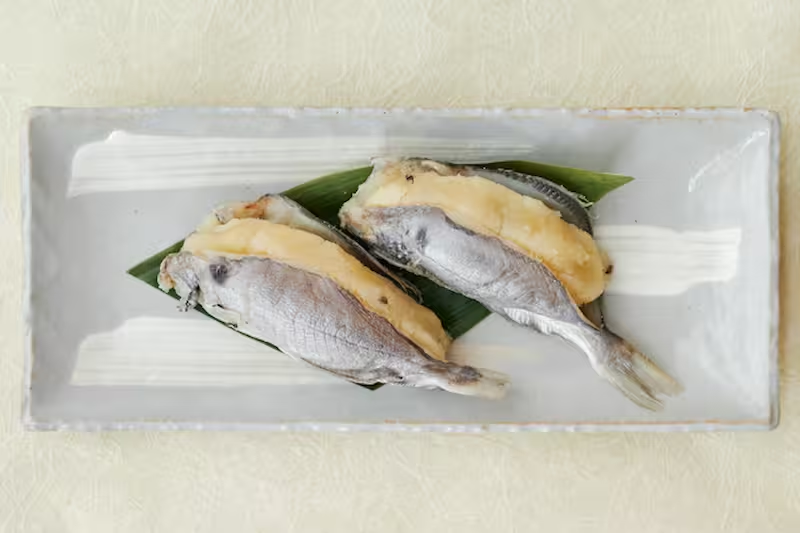
Izumiya is a classic food from Ehime Prefecture. It looks a lot like regular hand-pressed sushi, but its main ingredient is different. Instead of vinegared rice, Izumiya uses flavored okara. This okara base usually has small fish on top. Cooks preserve the fish by soaking it in vinegar; this method is called suzume shita. The final dish tastes unique—people often say it is both sweet and sour.
The history of this food starts at a major industrial site: the Niihama/Besshi copper mine. This mine operated for hundreds of years and needed many workers. The wives of these miners created the dish. They had moved to the isolated Besshi mountain area from all over Japan. Food was expensive and hard to find there. To create a large, cheap, and filling meal for many people, they used okara because it was easy to get and inexpensive. This clever cooking was necessary to feed a big group cheaply. It shows a perfect example of great cooking ideas that came from simply needing to survive.
Reference: Ehime University’s Faculty of Social Co-creation Kiyoshi Volume
Conclusion
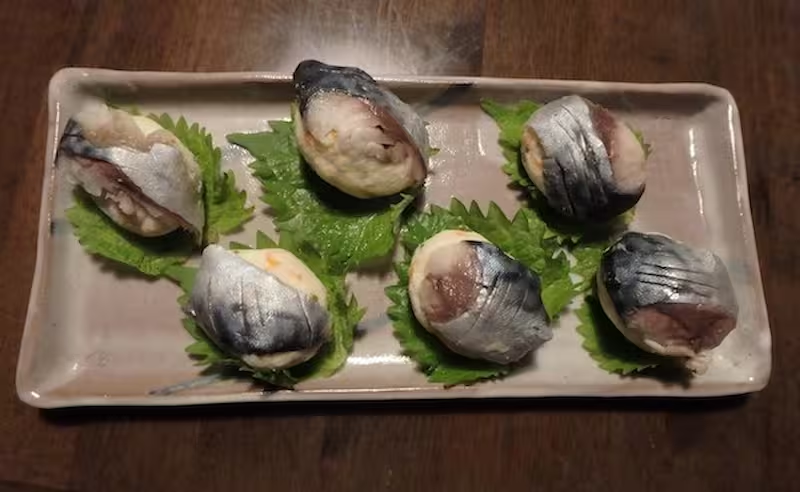
Izumiya is a tasty part of Ehime Prefecture’s local culture. It proves that smart cooking makes food that everyone can enjoy. It changed a simple leftover product into a major local specialty. Even though people do not eat it daily now, its healthy parts from fish and soybeans keep it important. Izumiya shows how clever people can turn food “scraps” into a main dish that helps define their home area.
Other regional foods that highlight seasoned tofu pulp or flavored rice and vegetables, such as Hiroshima’s Azumazushi, Sasa zushi, and Kōchi’s Urume no Tamazushi, are also highly recommended for their similar resourcefulness.









 English (US) ·