
Picture a cedar sushi counter in Tokyo. The chef places one piece of nigiri in front of you: glossy fish, warm rice and almost no decoration. Yet that bite reflects centuries of fermentation, preservation and the fast-moving street-stall culture of Edo. Japanese food becomes easier to read when you know what to notice. This guide uses Edomae sushi, shojin ryori and wagashi to show how history, Buddhism and the seasons shape a meal. It also offers a simple 10-minute routine for learning that context while you travel. TOCWhat Is the Difference Between Washoku and Japanese Food? Washoku is Japan’s traditional food culture, not simply a list of dishes. UNESCO describes it as a social practice that covers how people produce, prepare and share food. Respect for nature sits at its core. Seasonal ingredients, regional practices and occasions such as New Year also give meals their meaning. By contrast, Japanese food is a broader English label. It also covers dishes shaped by overseas influence, such as ramen and curry rice. Quick Facts TermWashoku (和食), Japan’s traditional food culture UNESCO listingIntangible Cultural Heritage of Humanity, 2013 Core ideaRespect for nature and seasonal ingr...
Japanese Food Culture Explained: Edomae Sushi, Shojin Ryori and Wagashi
 4 hours ago
3
Related
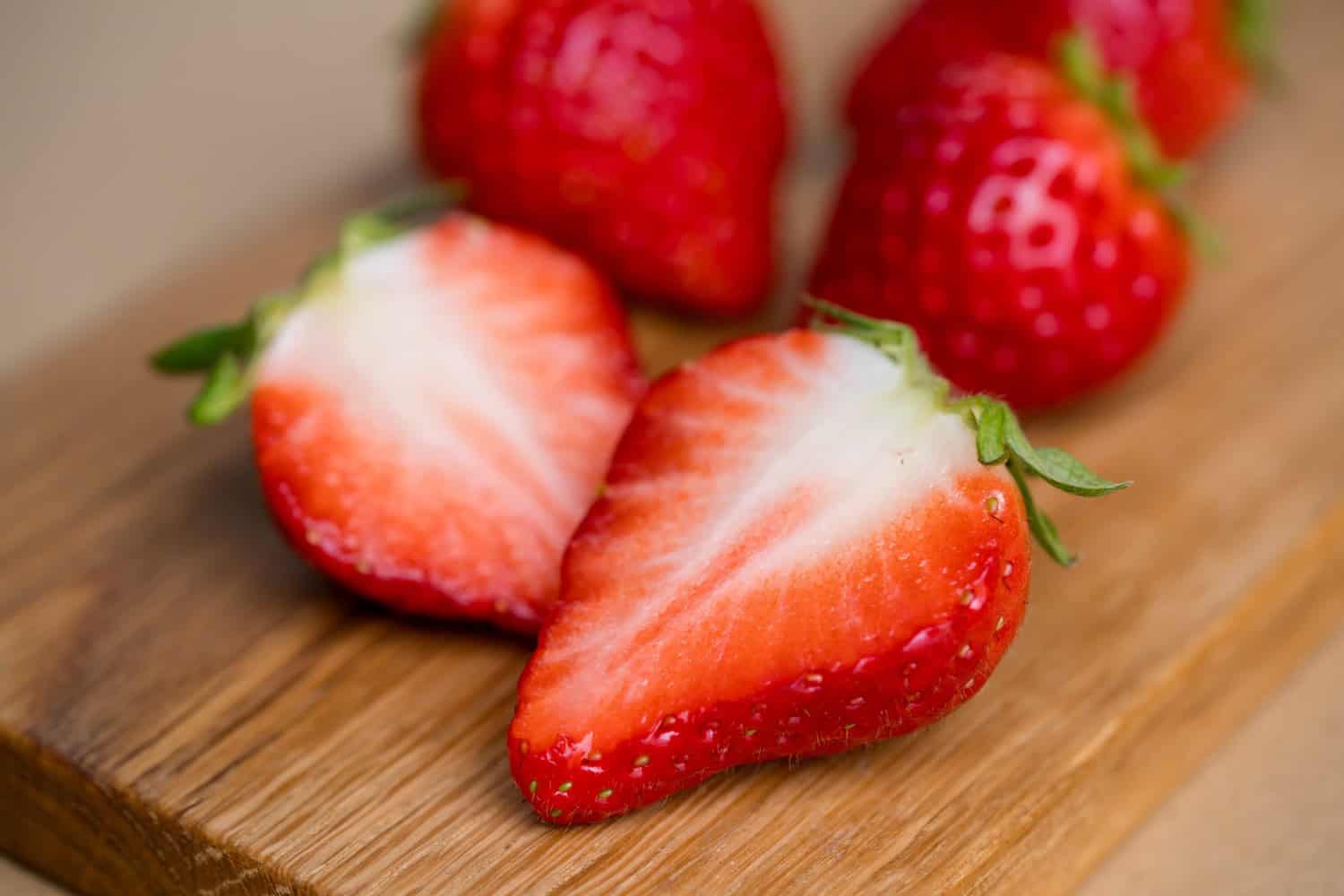
Sagahonoka Strawberry (さがほのか)
20 hours ago
6
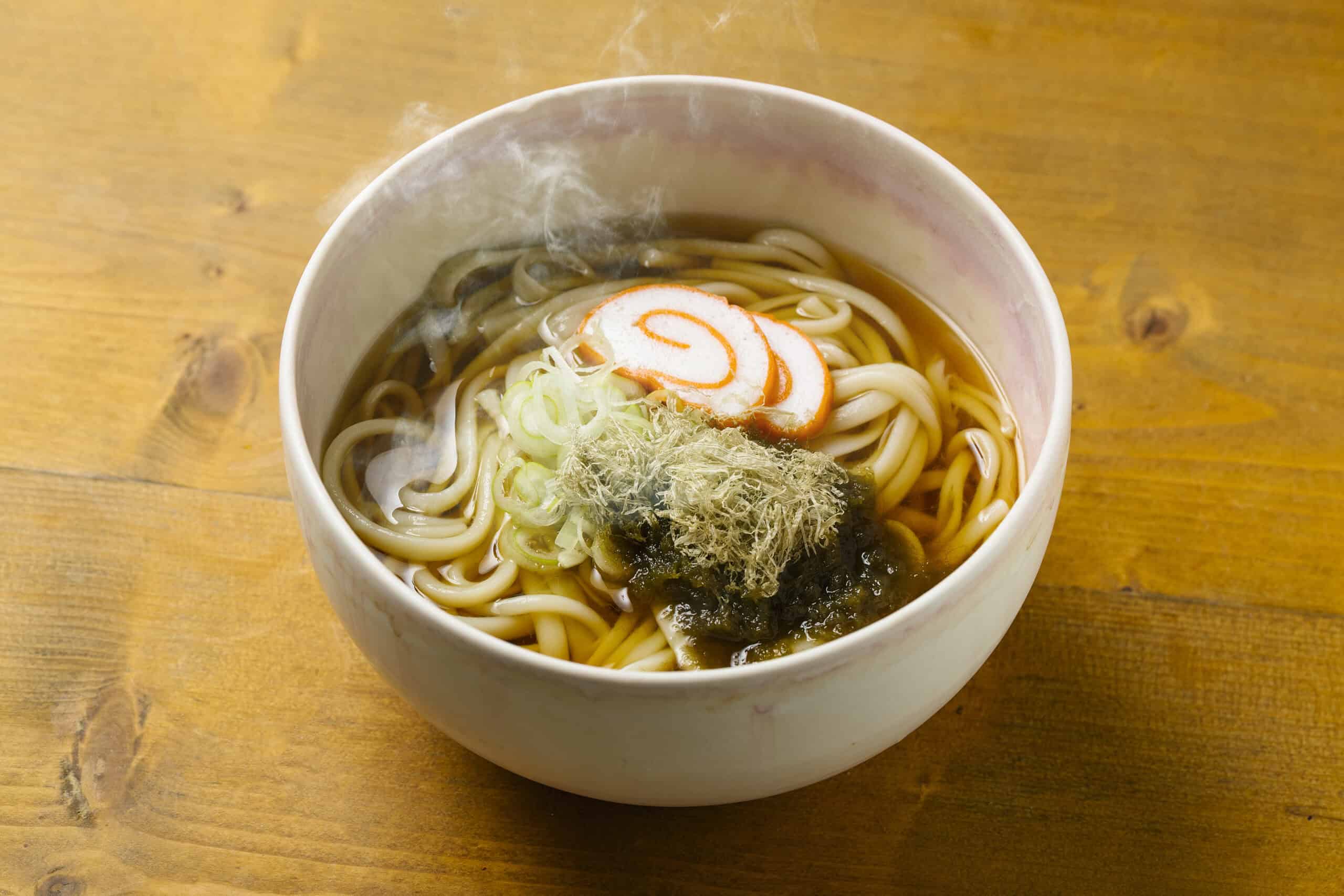
Himi Udon (氷見うどん)
1 day ago
8
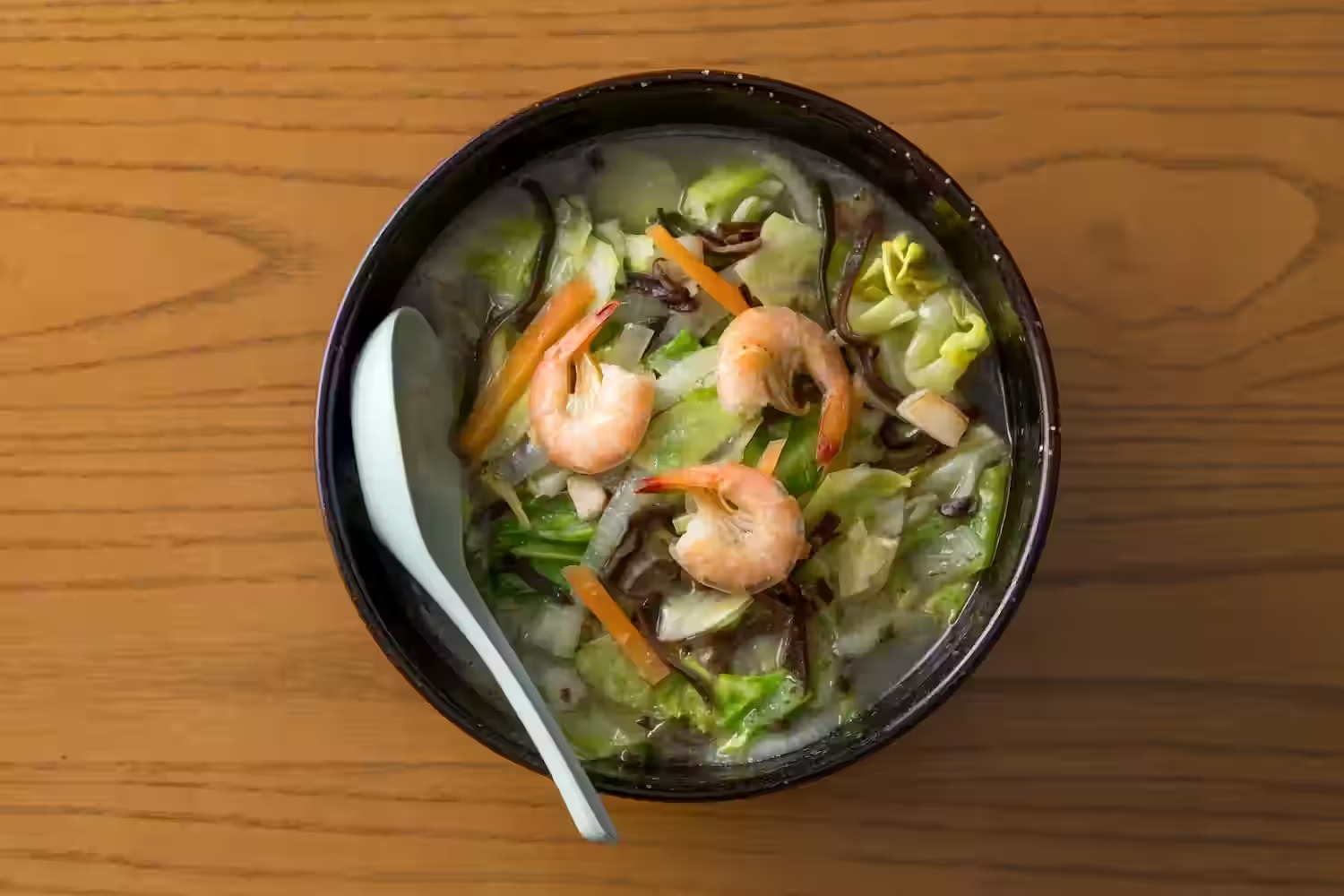
Taromen (たろめん)
2 days ago
13
Popular
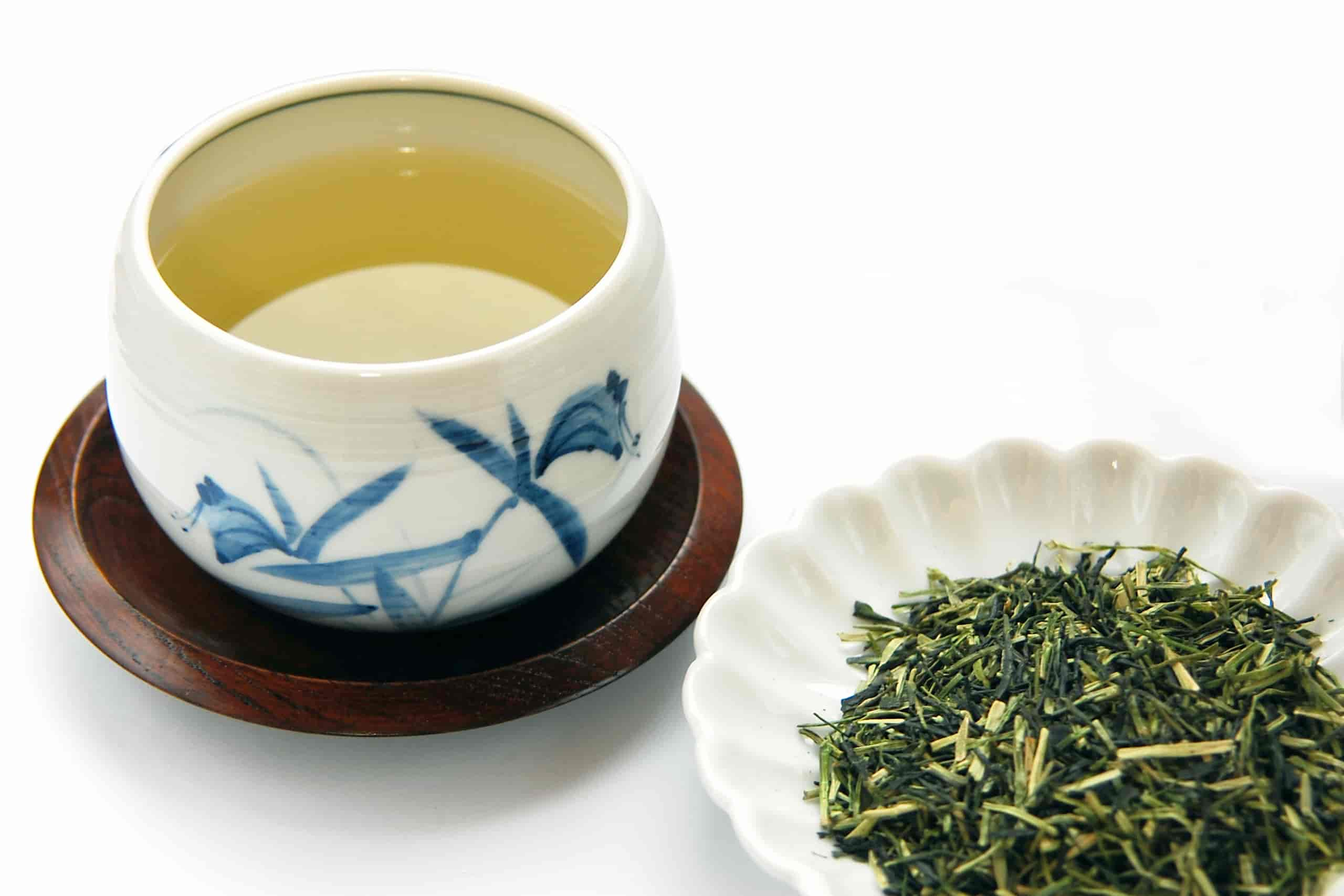
Shiraore (白折)
3 weeks ago
89
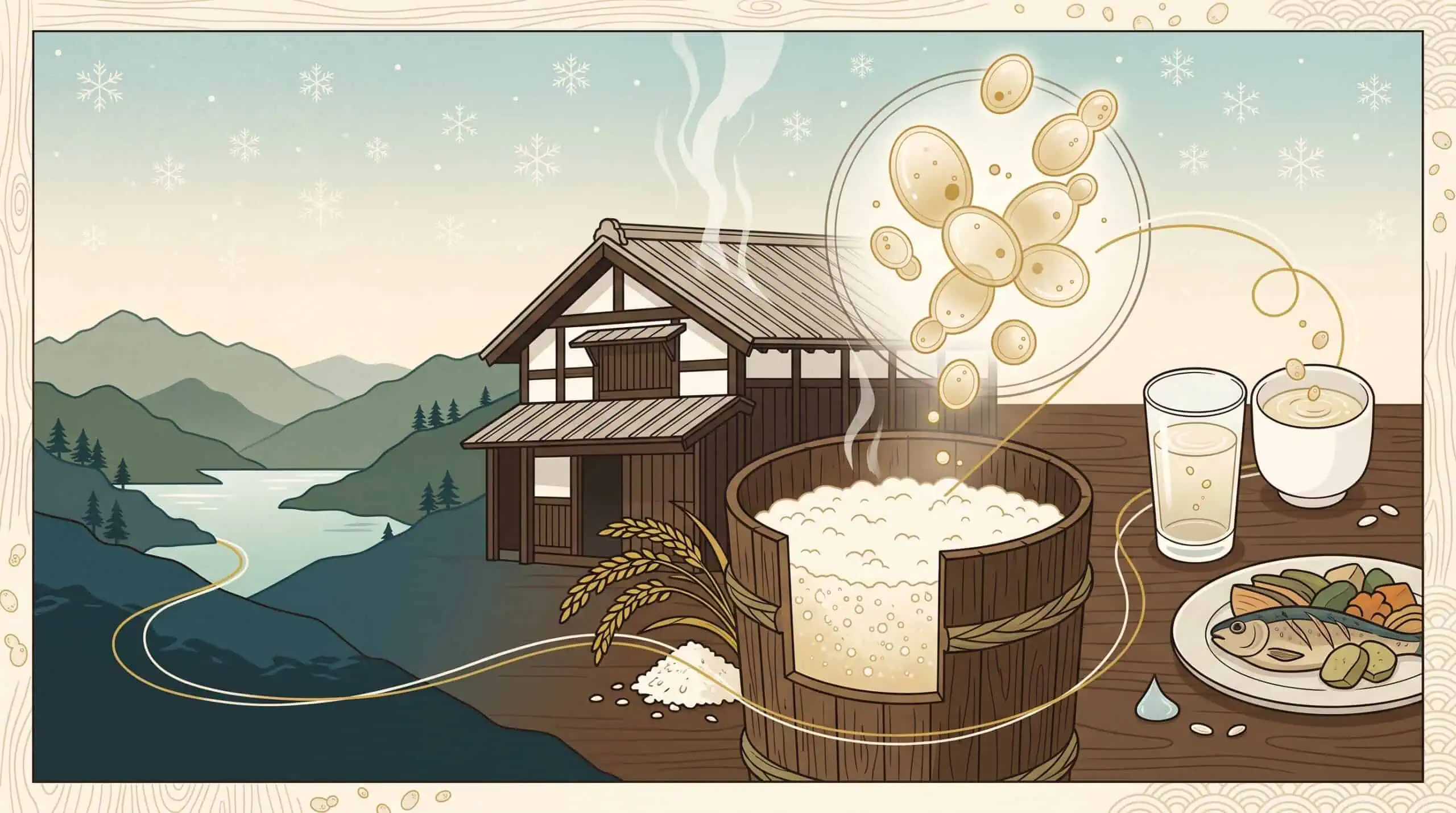
Masumi Sake: The Nagano Brewery Behind Japan’s No. 7 Yeast
3 weeks ago
88
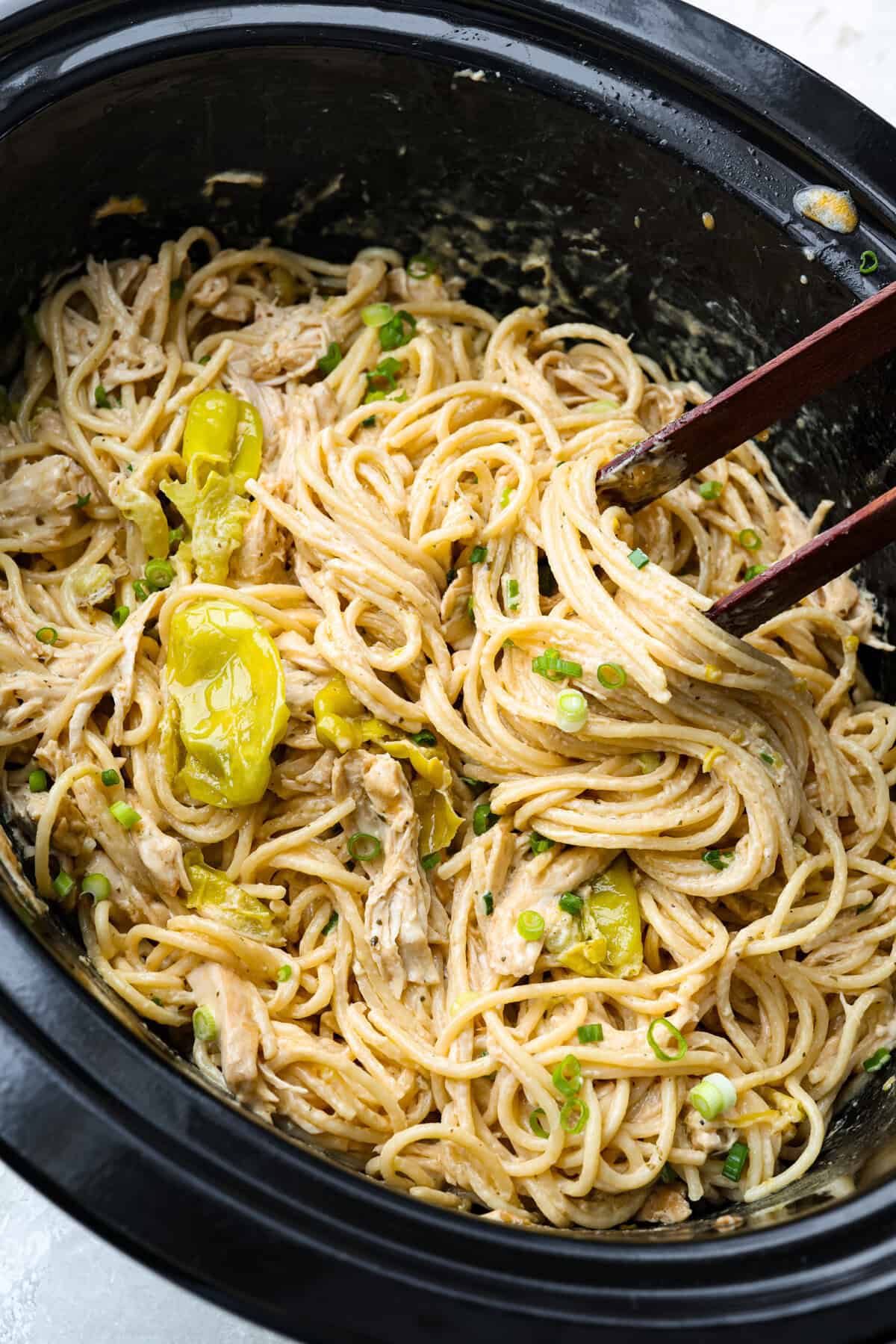
Mississippi Chicken Spaghetti
3 weeks ago
85
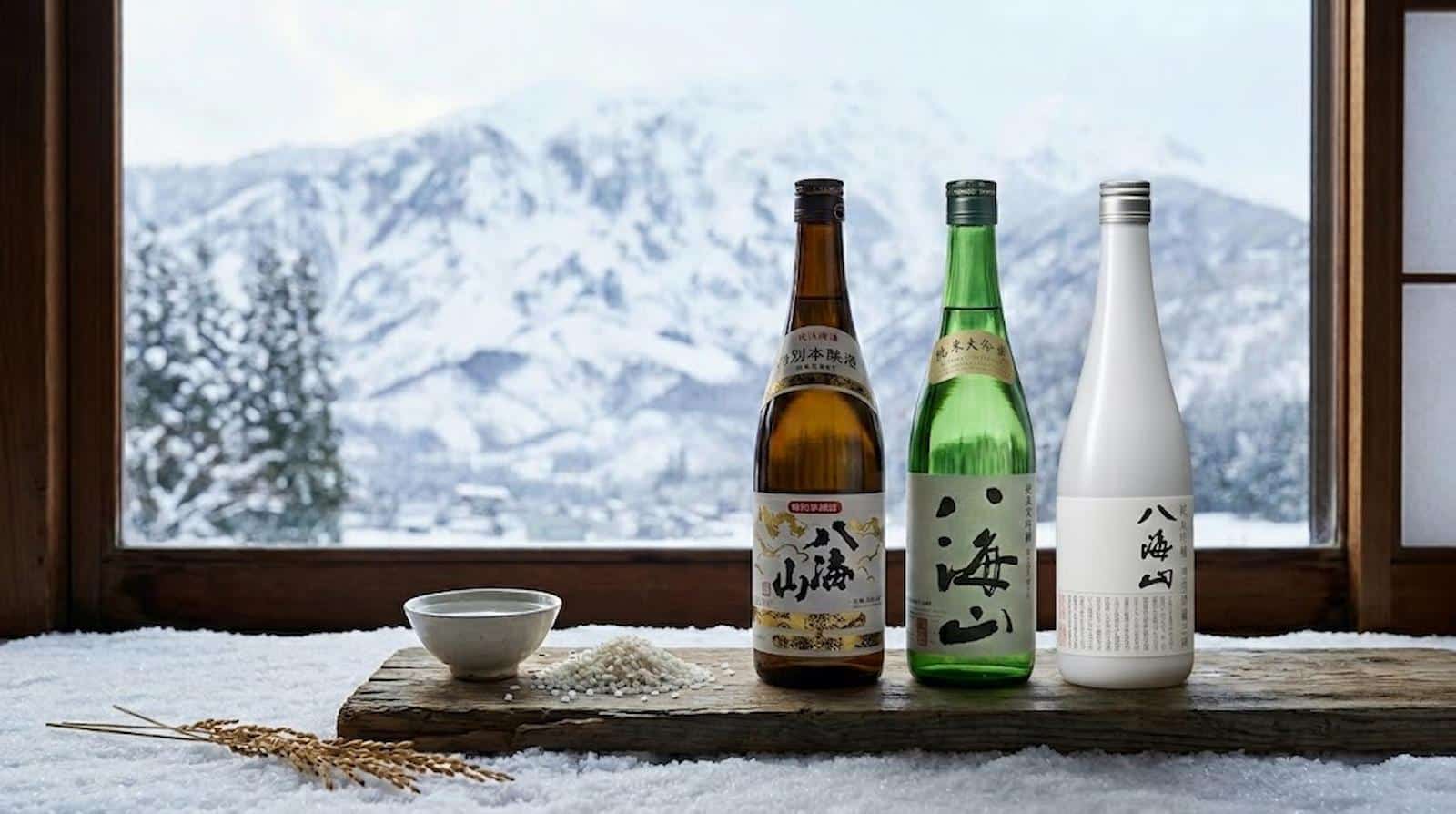
Hakkaisan Sake: The Story of Niigata’s Snow-Country Brewery
3 weeks ago
81

 English (US) ·
© Daily Food 2026. All rights are reserved
