There’s just something mesmerizing about wagara (和柄), or traditional Japanese patterns. Some are inspired by nature, while others come from geometric shapes, traditional objects, or centuries-old cultural traditions. These patterns have also found a modern representation in popular culture, including anime. If you’re familiar with Kimetsu no Yaiba (Demon Slayer), you may have already noticed some traditional Japanese patterns in the characters’ clothing. Tanjiro, for example, wears the distinctive ichimatsu checkered pattern on his haori, while Nezuko’s kimono features the beautiful pink asanoha hemp-leaf pattern. Zenitsu is also recognizable by the uroko scale pattern on his yellow-orange haori. But these patterns are more than just beautiful designs. Many have their own symbolism, representing wishes for good fortune, longevity, happiness, protection, prosperity, and more. In this guide, let’s take a closer look at the origins and inspirations behind Japanese patterns, explore some of the most popular traditional patterns and designs, and discover the meanings behind them. Hopefully, once you know a little more about them, you’ll start noticing these beautiful patterns in a whole...
Japanese Patterns (Wagara): History, Meanings & Traditional Designs
 4 weeks ago
55
4 weeks ago
55
Related
Tatenokawa Sake: Japan’s Junmai Daiginjo Specialist
8 hours ago
3
Iriyaki (いりやき)
23 hours ago
5
Yuzu Kosho Chicken 柚子胡椒チキン
1 day ago
11
Funmatsucha (粉末茶)
1 day ago
11
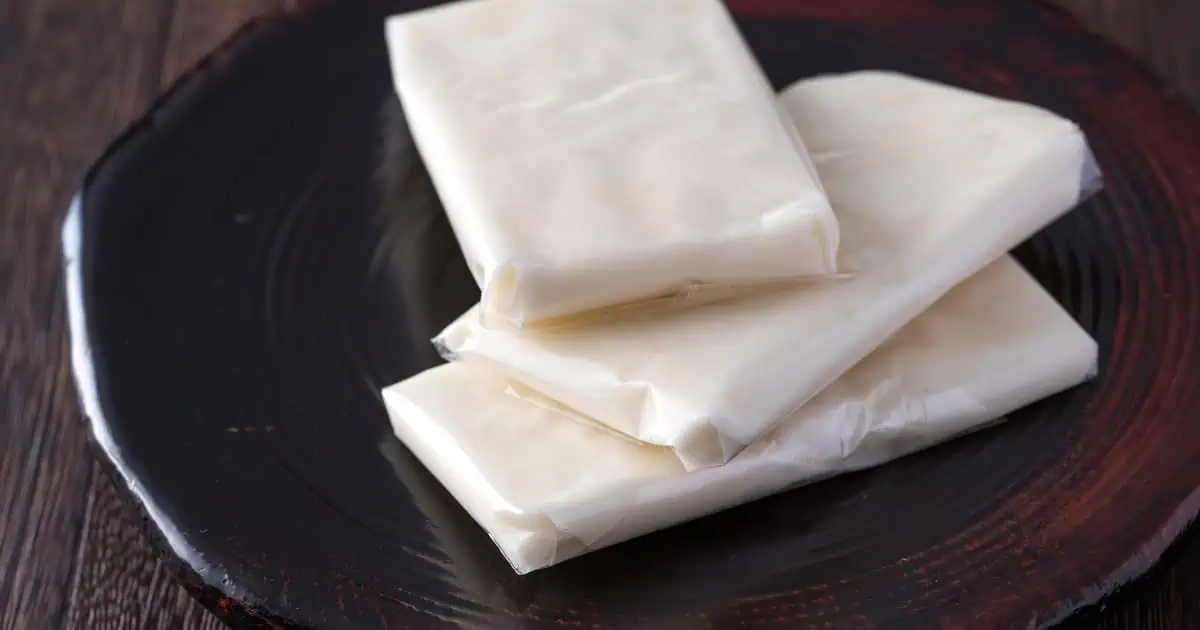
Amegata (あめがた)
2 days ago
13
Popular
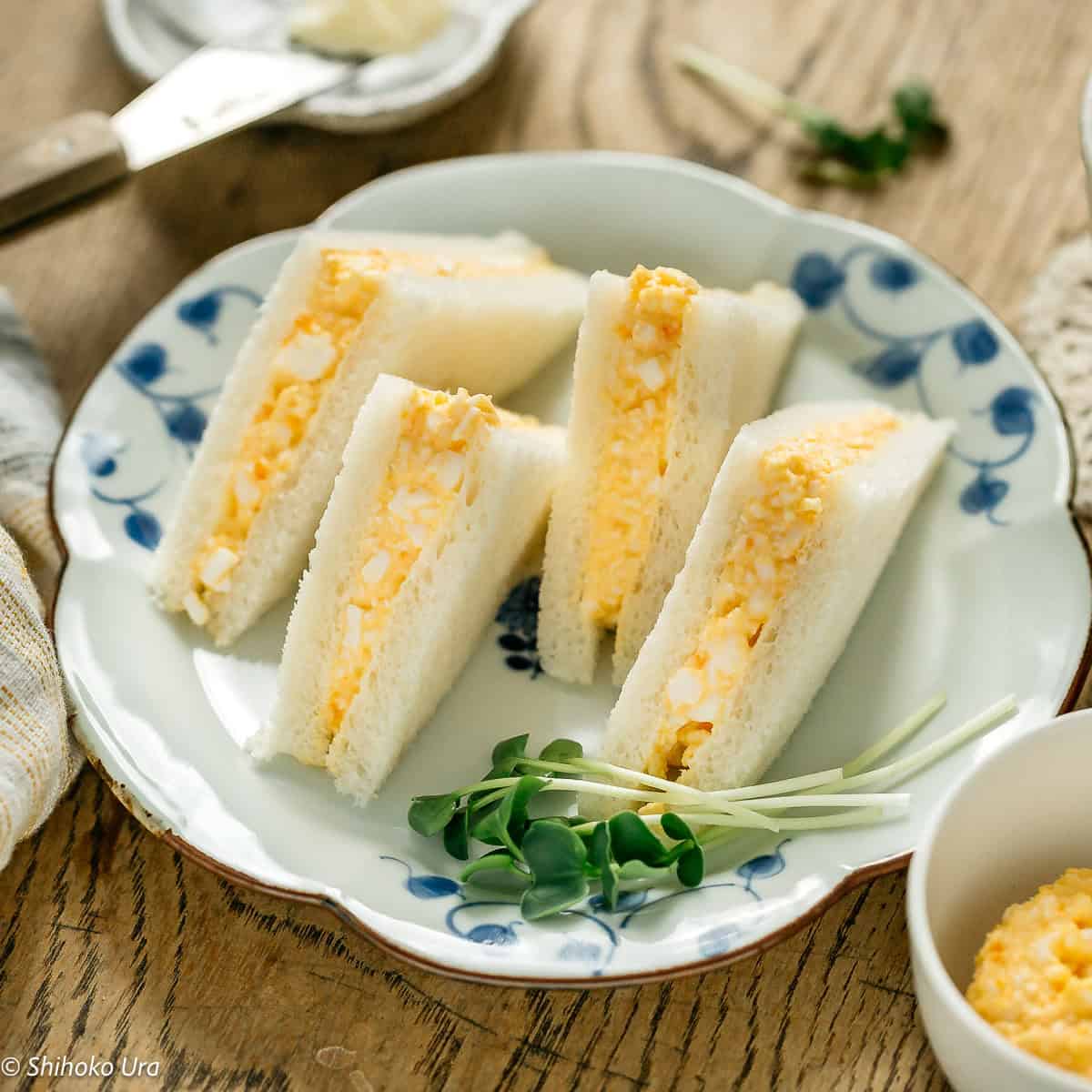
Tamago Sando ( Japanese Egg Sandwich)
3 weeks ago
100
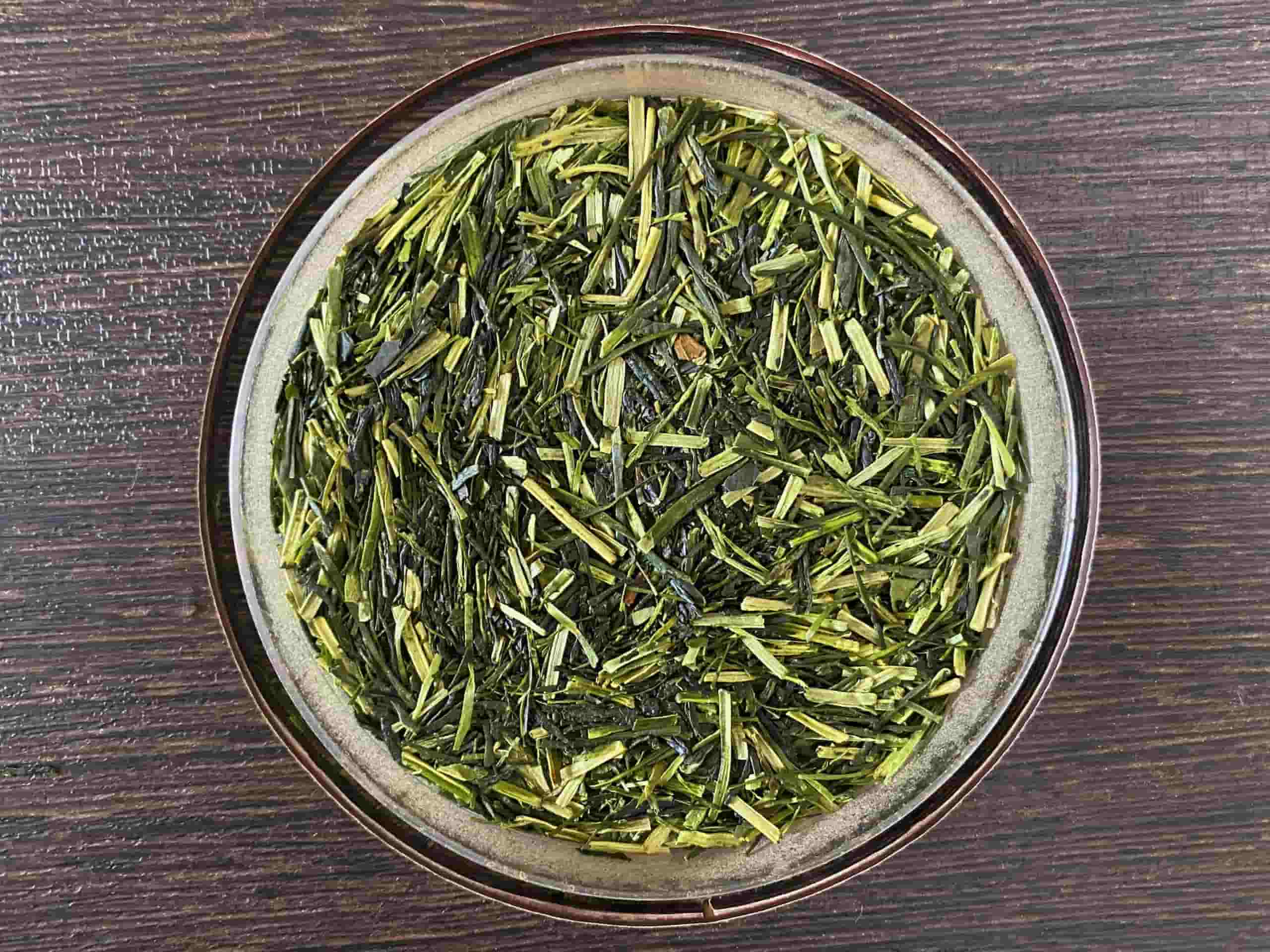
Kukicha (茎茶)
3 weeks ago
95
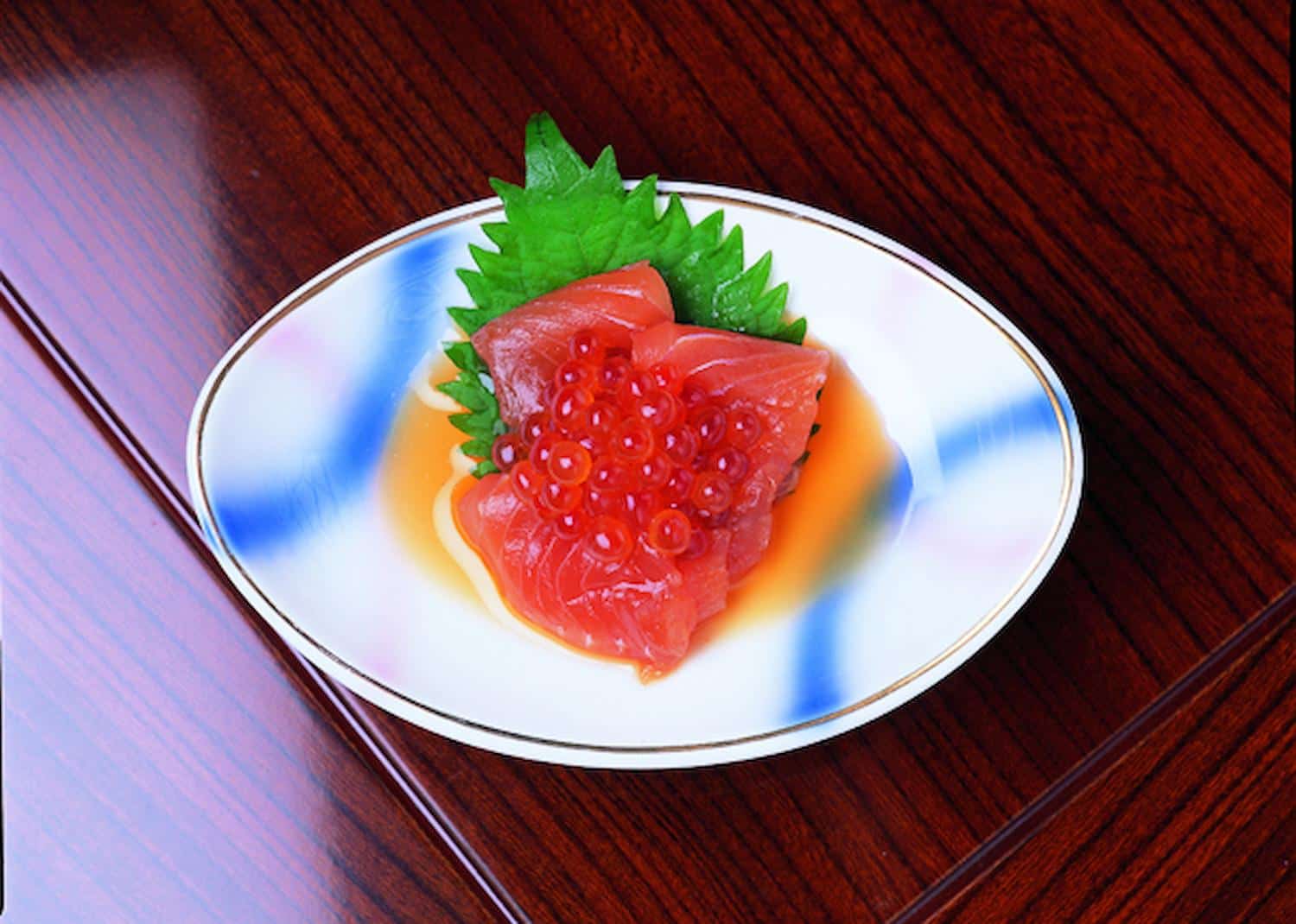
Kōyō-zuke (紅葉漬)
4 weeks ago
88

Stanley Tucci Pasta Fagioli
3 weeks ago
75
 English (US) ·
 © Daily Food 2026. All rights are reserved
