
In 1425, a document kept at Kitano Shrine in Kyoto recorded 342 sake businesses inside and around the capital. By then, that number marks how far sake had travelled. It was no longer mainly a courtly ritual drink, but rather a commodity, a taxed trade, and a craft under active development. Medieval sake is the story of three things happening together: commercialization, institutional control, and technical accumulation. Temples and city merchants all brewed, competed, and, importantly, left records. This guide follows that thread from the court’s fading monopoly to the brewing methods that early modern producers inherited. TOCWhat Medieval Sake Means Medieval sake brewing in Japan’s temples and breweries during the Kamakura period. Medieval sake refers to the sake brewed in Japan between roughly the late twelfth and late sixteenth centuries, covering the Kamakura, Nanbokuchō, Muromachi, and Sengoku periods. Historians draw the boundaries slightly differently, although for brewing history the pattern matters more than the exact year. Period Covered Roughly the 1180s to the 1590s. Main Producers Buddhist temples brewing sōbōshu, and urban sakaya that also worked as lenders. Key Cente...
Medieval Sake in Japan: Temple Breweries, Sake Shops, and Brewing Innovation
 2 hours ago
3
2 hours ago
3
Related
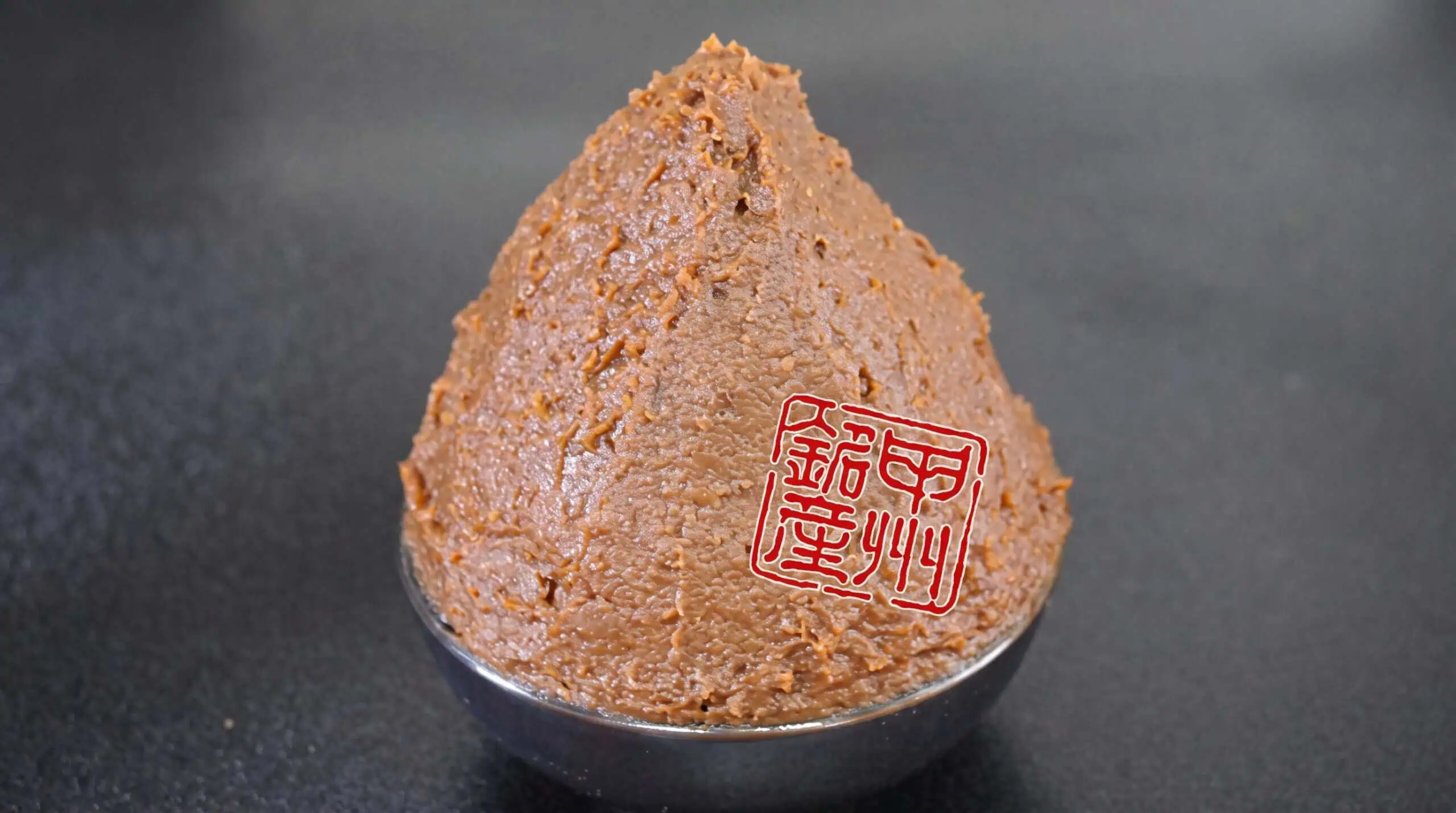
Koshu Miso (甲州味噌)
23 hours ago
8
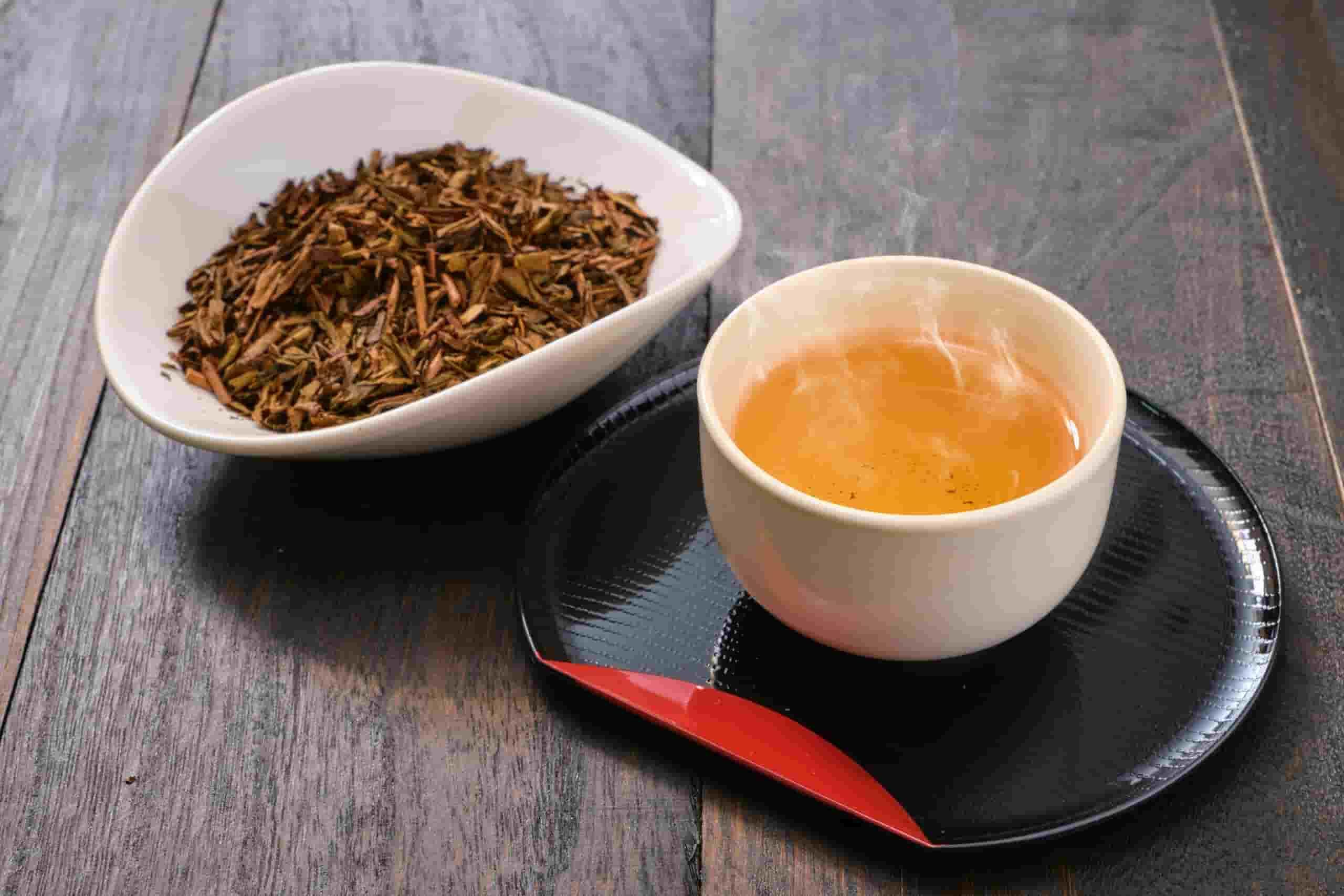
Karigane Hōjicha (雁が音ほうじ茶)
2 days ago
20
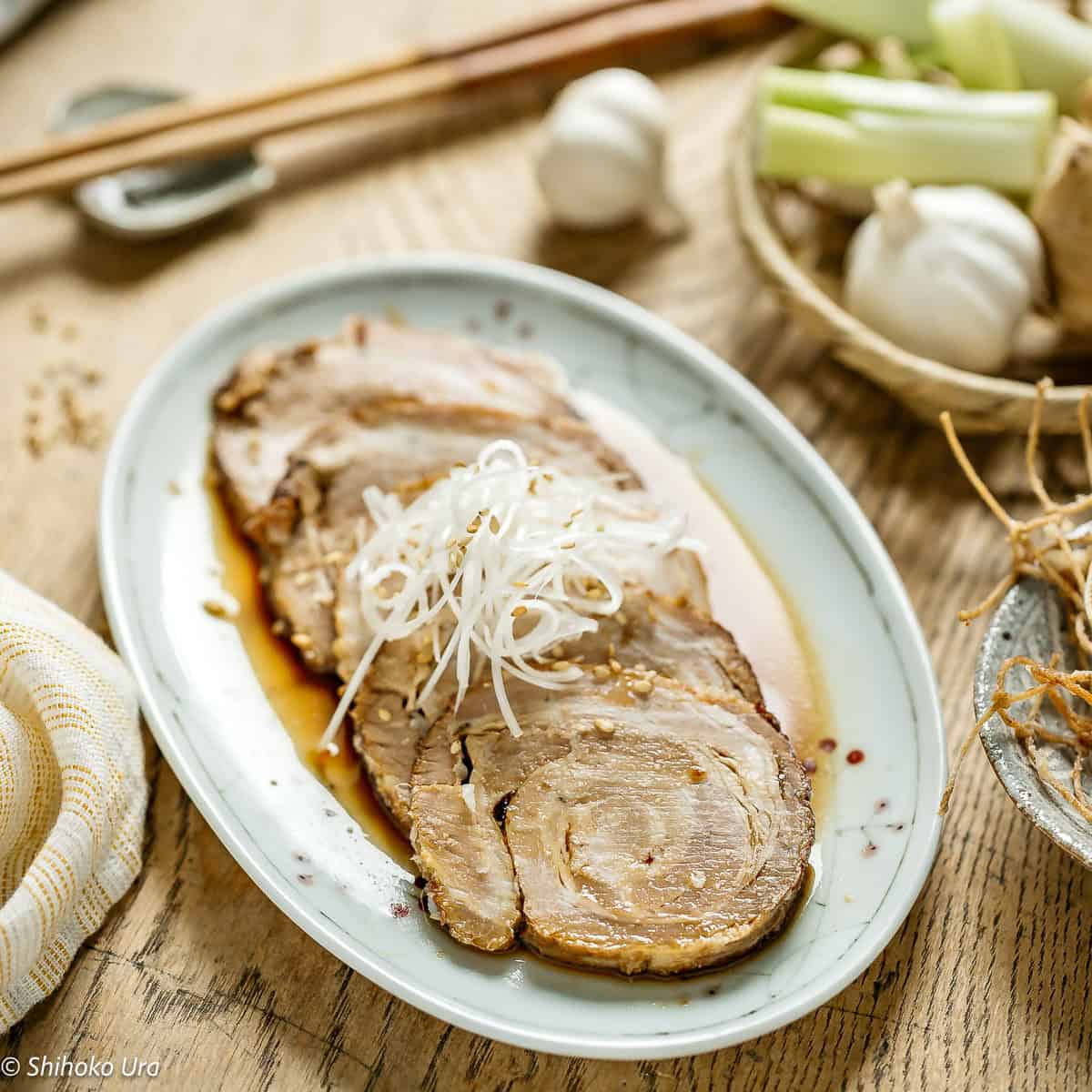
Chashu (Braised Pork Belly)
2 days ago
15
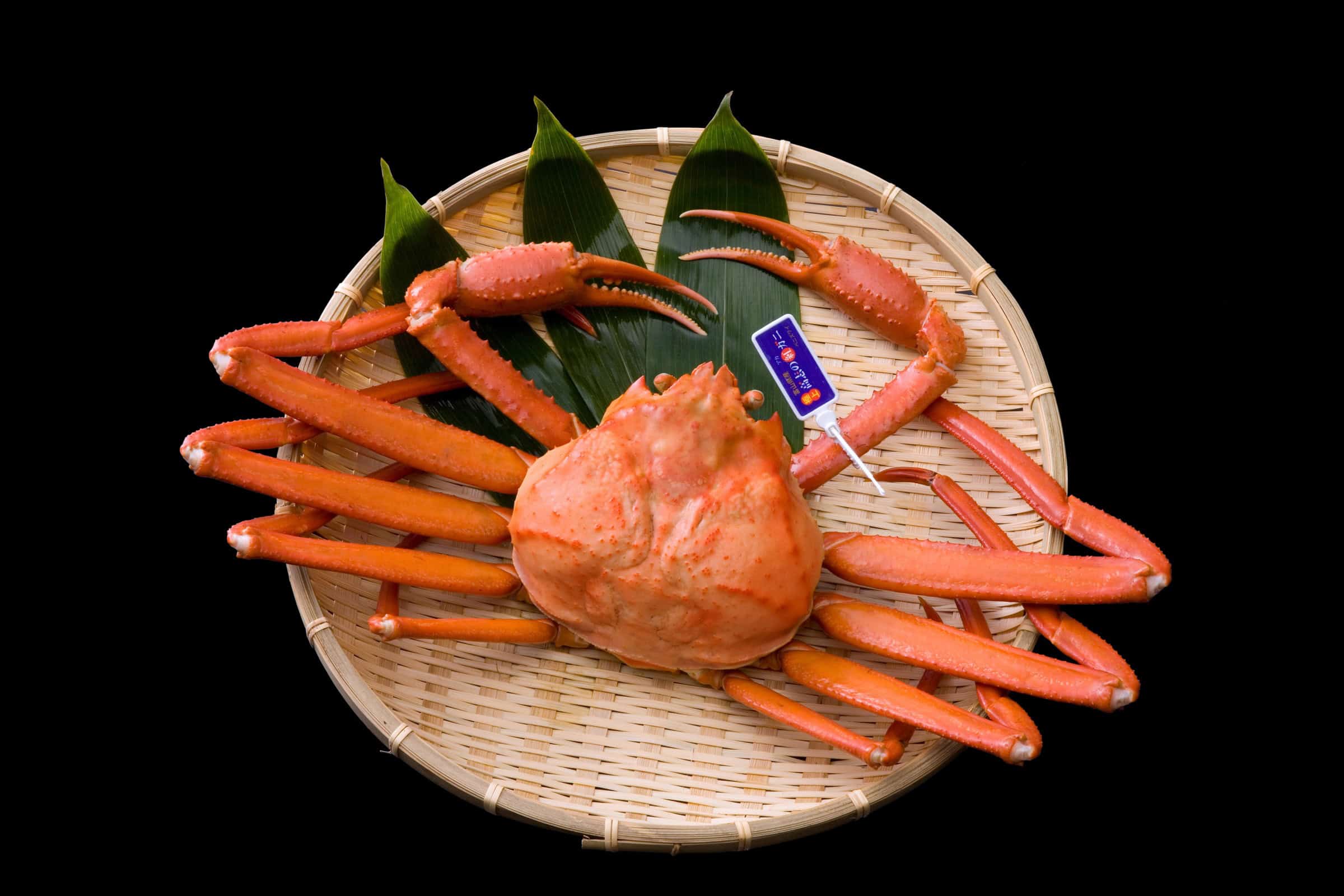
Koshi no Aka-gani (高志の紅ガニ)
3 days ago
20
Popular

Poppy Seed Chicken Casserole
4 weeks ago
81

Lazy Meatball Lasagna
1 month ago
64

Weekly Meal Plan #101
4 weeks ago
62

One Pan Creamy Pepperoncini Chicken
3 weeks ago
61

Weekly Meal Plan #102
3 weeks ago
61
 English (US) ·
 © Daily Food 2026. All rights are reserved
