
 8 hours ago
3
8 hours ago
3
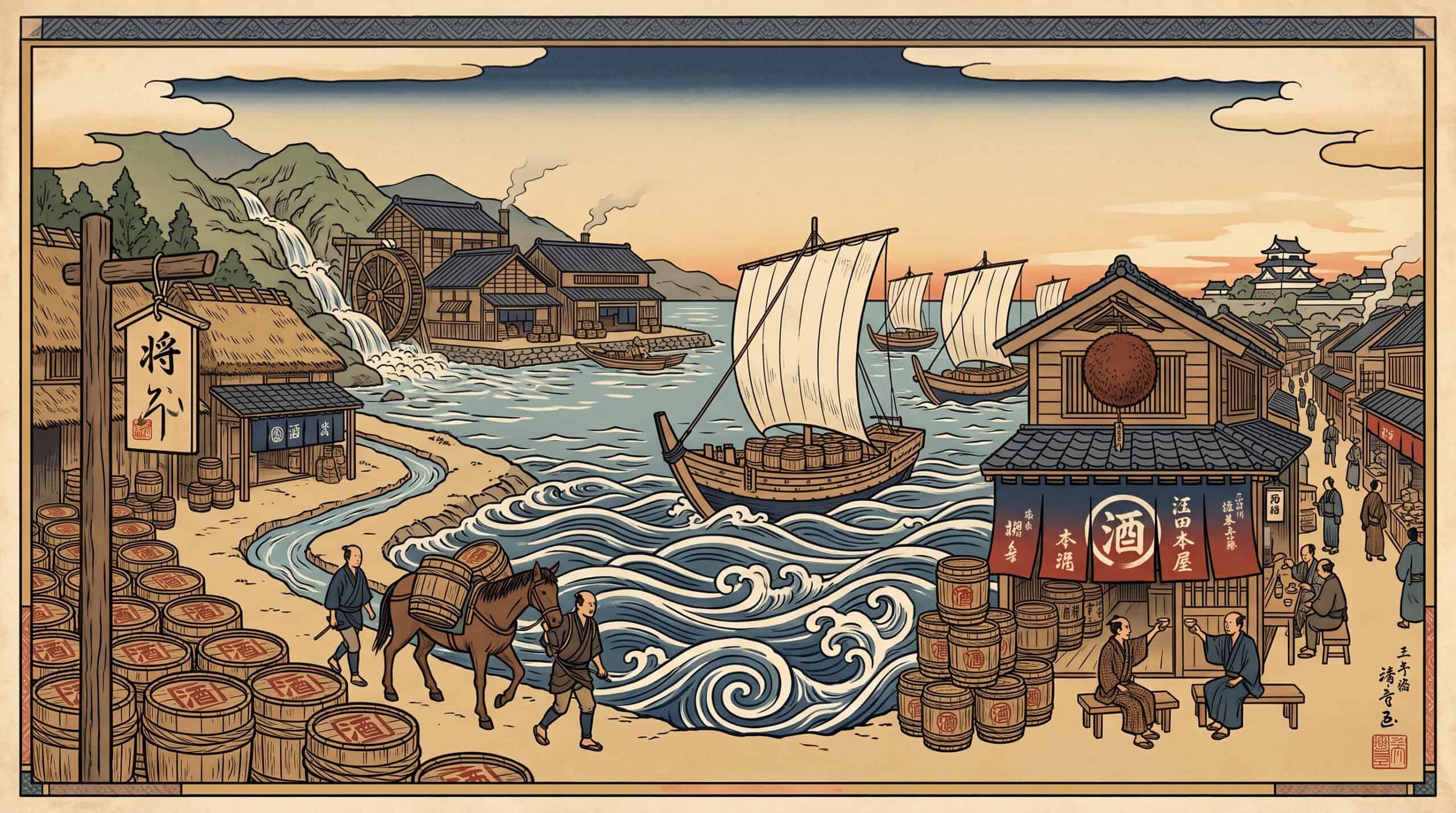
In 1899, Japan’s liquor tax overtook the land tax as the largest source of national revenue. In other words, brewing changed enormously in a single generation. Meiji era sake, the nihonshu brewed between 1868 and 1912, still began with rice, koji, and water. Around it, however, the state, the steam engine, and the laboratory had all arrived. First, this guide traces how Japanese industrialization reached a drink often called Japanese rice wine in English. It asks why a young government came to depend so heavily on sake revenue. It also follows how laboratory science began to measure and formalize a traditional fermentation that brewers had refined empirically over centuries. Key Takeaways In 1871, the Meiji government replaced Edo brewing shares with state licenses. Entry widened, but supervision tightened. By 1899, liquor tax was Japan’s largest national tax, so stable brewing became a fiscal priority. The Ministry of Finance opened the Brewing Experimental Station in 1904. There, researchers developed the yamahai and sokujō starters around 1909. Science measured and formalized existing brewing rather than replacing it. Meanwhile, winter brewing, wooden vats, and the toji system a...
Related
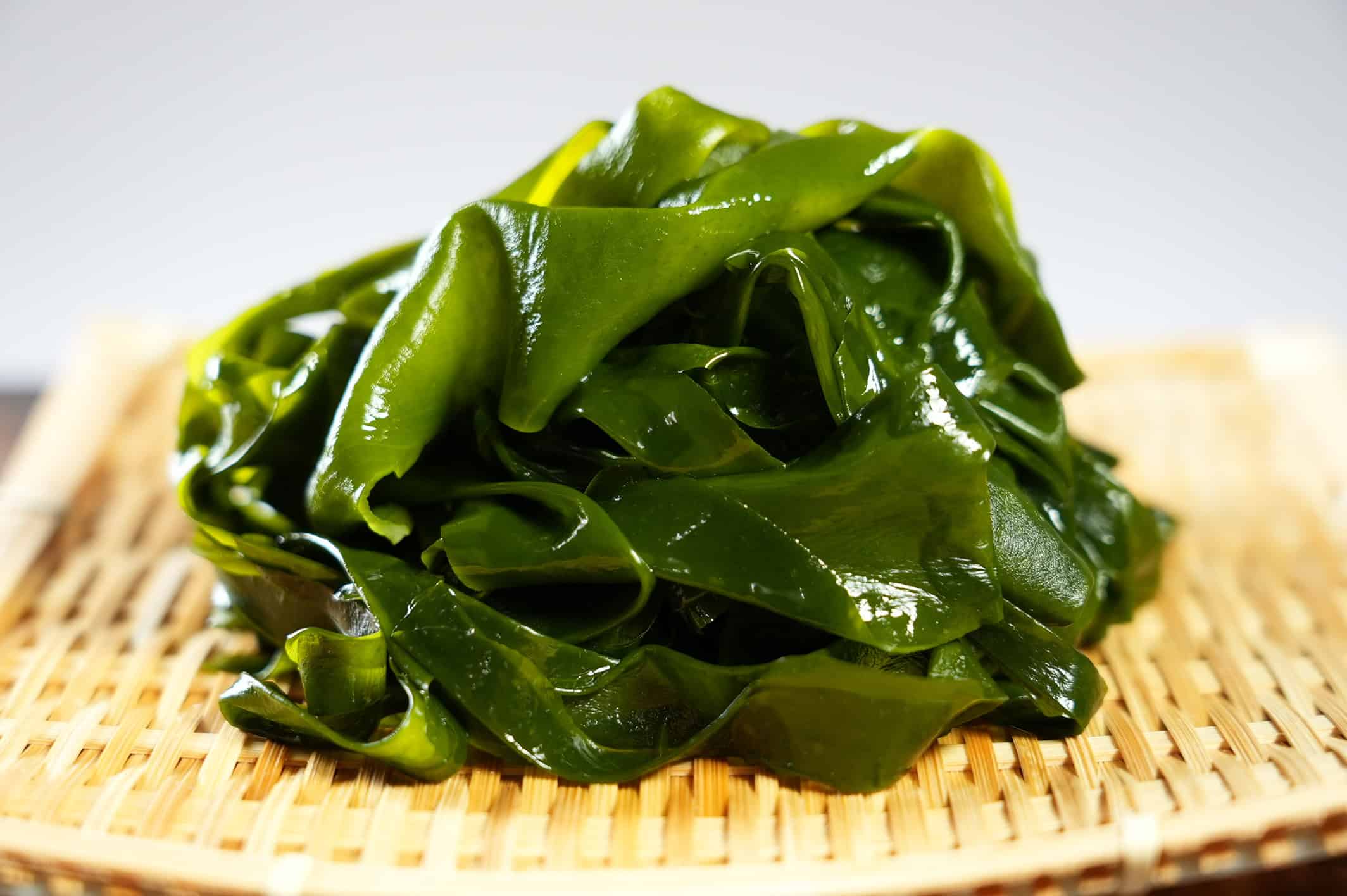
Naruto Wakame (鳴門わかめ)
15 hours ago
4
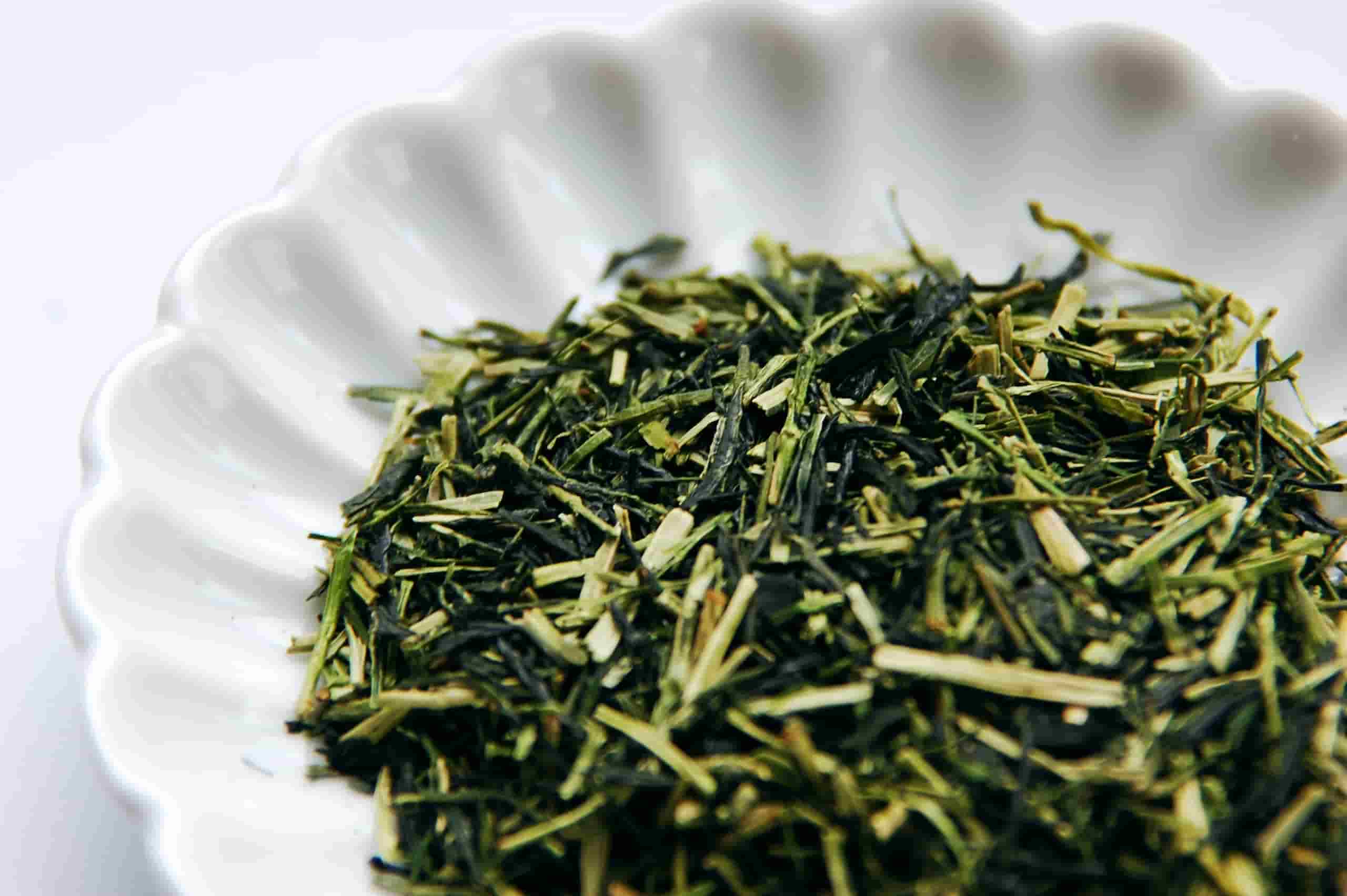
Karigane (雁ヶ音)
16 hours ago
3
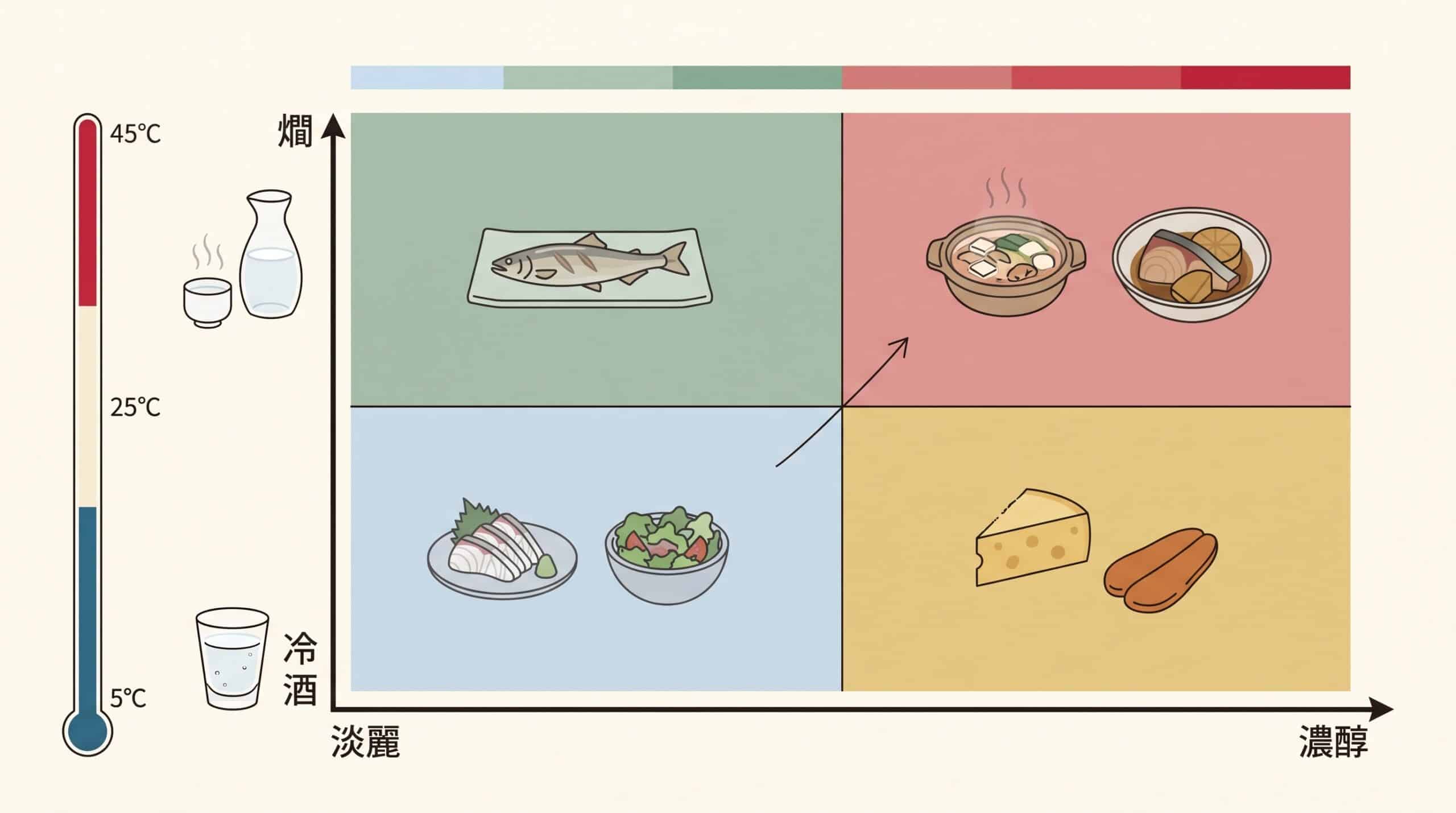
Sake and Food Pairing: How to Match Japanese Sake with Food
20 hours ago
5
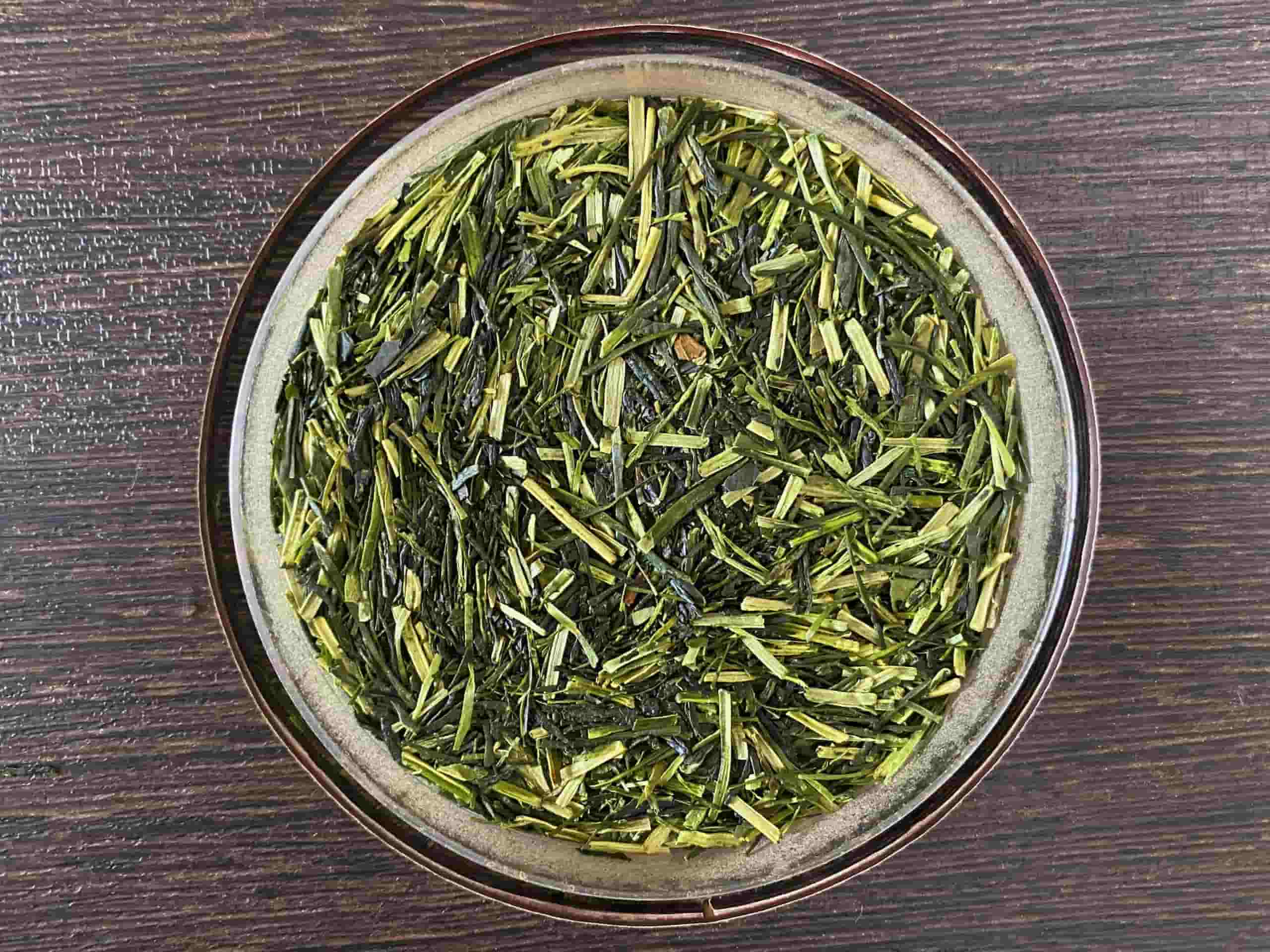
Kukicha (茎茶)
1 day ago
8
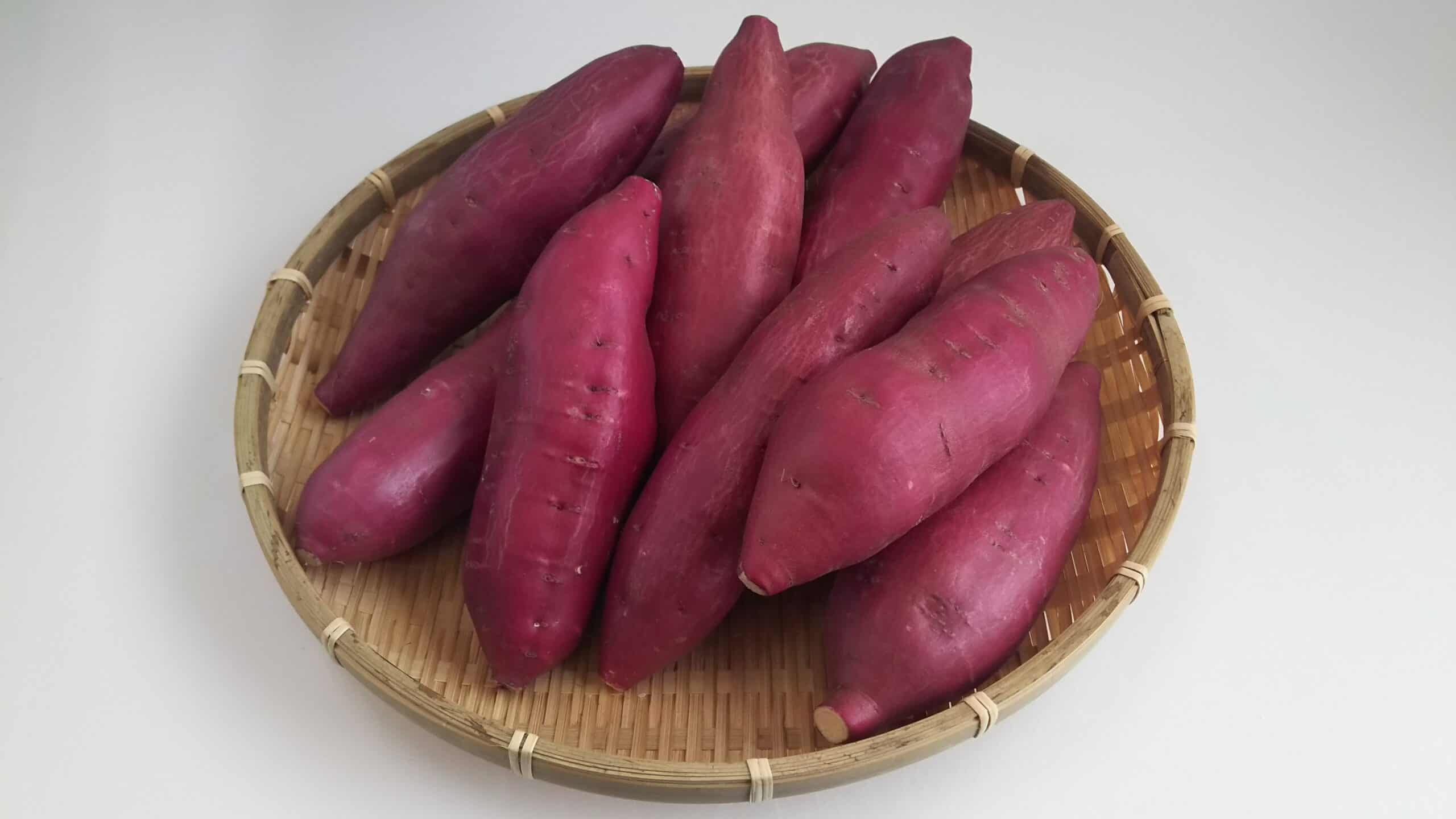
Naruto Kintoki (なると金時)
1 day ago
9
Popular
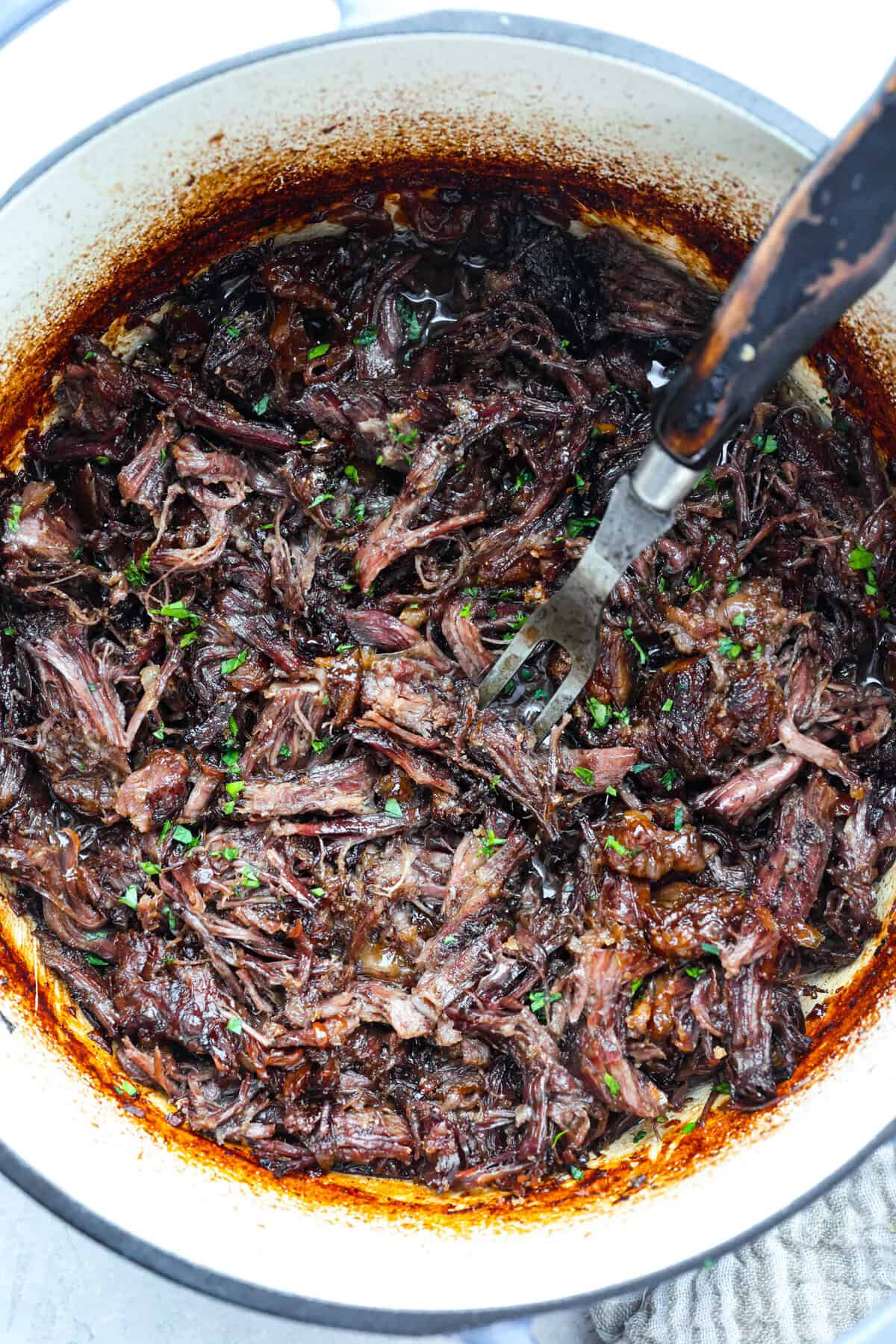
Caramelized Chuck Roast
3 weeks ago
80

Corn Casserole
3 weeks ago
71

Weekly Meal Plan #103
4 weeks ago
66

1-Bowl Honey Almond Snack Cake (Gluten-Free)
3 weeks ago
66
 English (US) ·
 © Daily Food 2026. All rights are reserved
