
 4 hours ago
3
4 hours ago
3
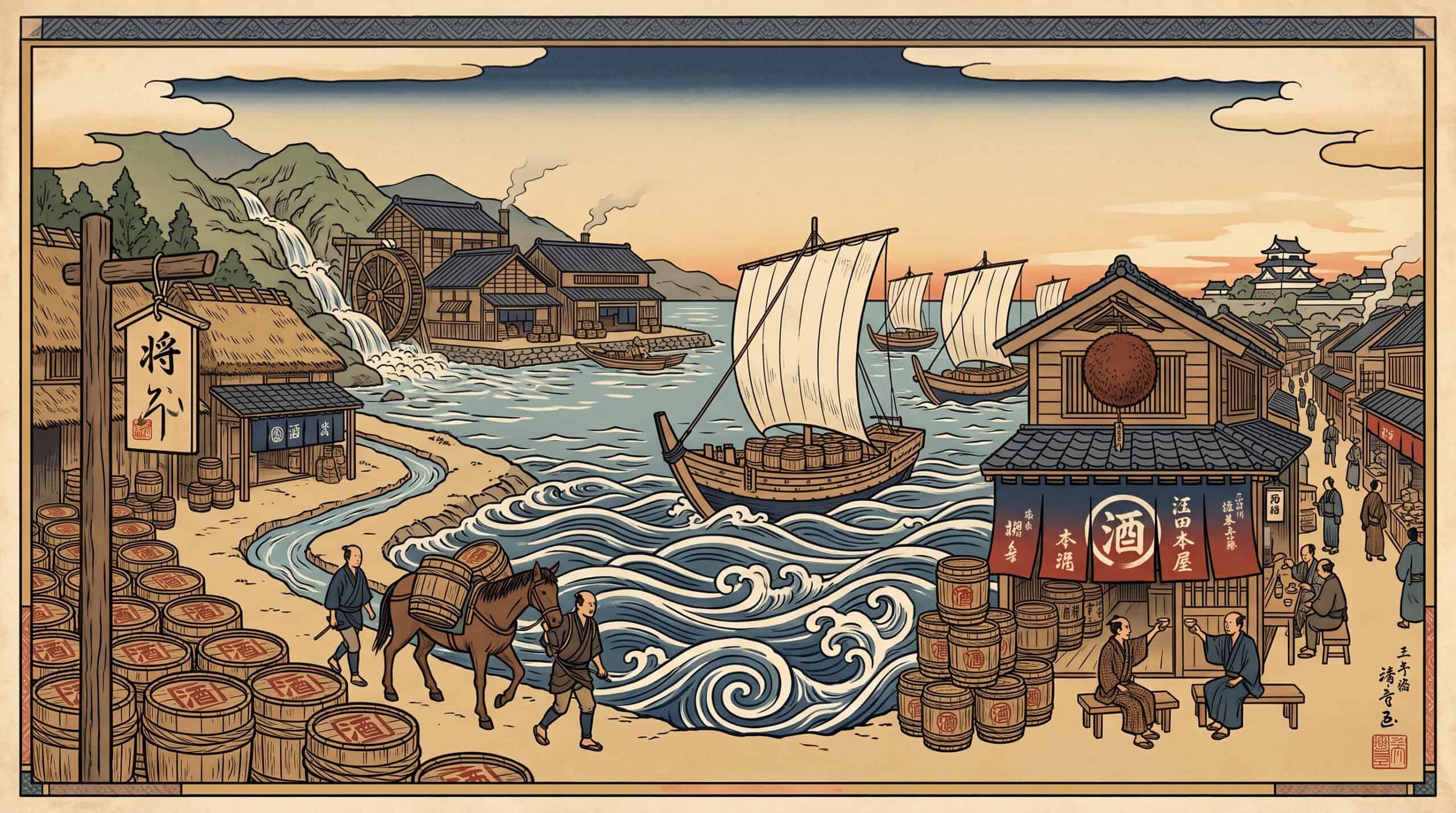
In fiscal 1973, Japan’s breweries shipped about 1.77 million kiloliters of sake, more than in any year before or since. Fifty years later, the figure was under 400,000. Modern sake is the story of how Japan got from one number to the other, and why the drop is only half the story. First, this guide covers sake in the twentieth century: the spread of laboratory yeast, wartime rationing, alcohol-added “sanbai” sake, the postwar boom, and the ginjo revival. It ends with the 1990 labeling reform that still shapes every sake label you read today. TOCWhat Is Modern Sake? In this article, modern sake means sake made in Japan from roughly 1912 to the late 1990s, when production, taxation, grading, and taste all changed on an industrial scale. In other words, it is a historical period, not a style of sake. The Meiji era built the scientific tools; the twentieth century put them to work in factories, under wartime controls, and finally in the premium bottles that define sake today. Period Covered 1912 to 1999 From the end of the Meiji era to the end of the twentieth century Peak Year 1973 About 1.77 million kL of taxable shipments Wartime Grading 1943 Four tax grades introduced Alcohol Addit...
Related

Iwaizumi Tankaku Beef (岩泉短角牛)
6 hours ago
2
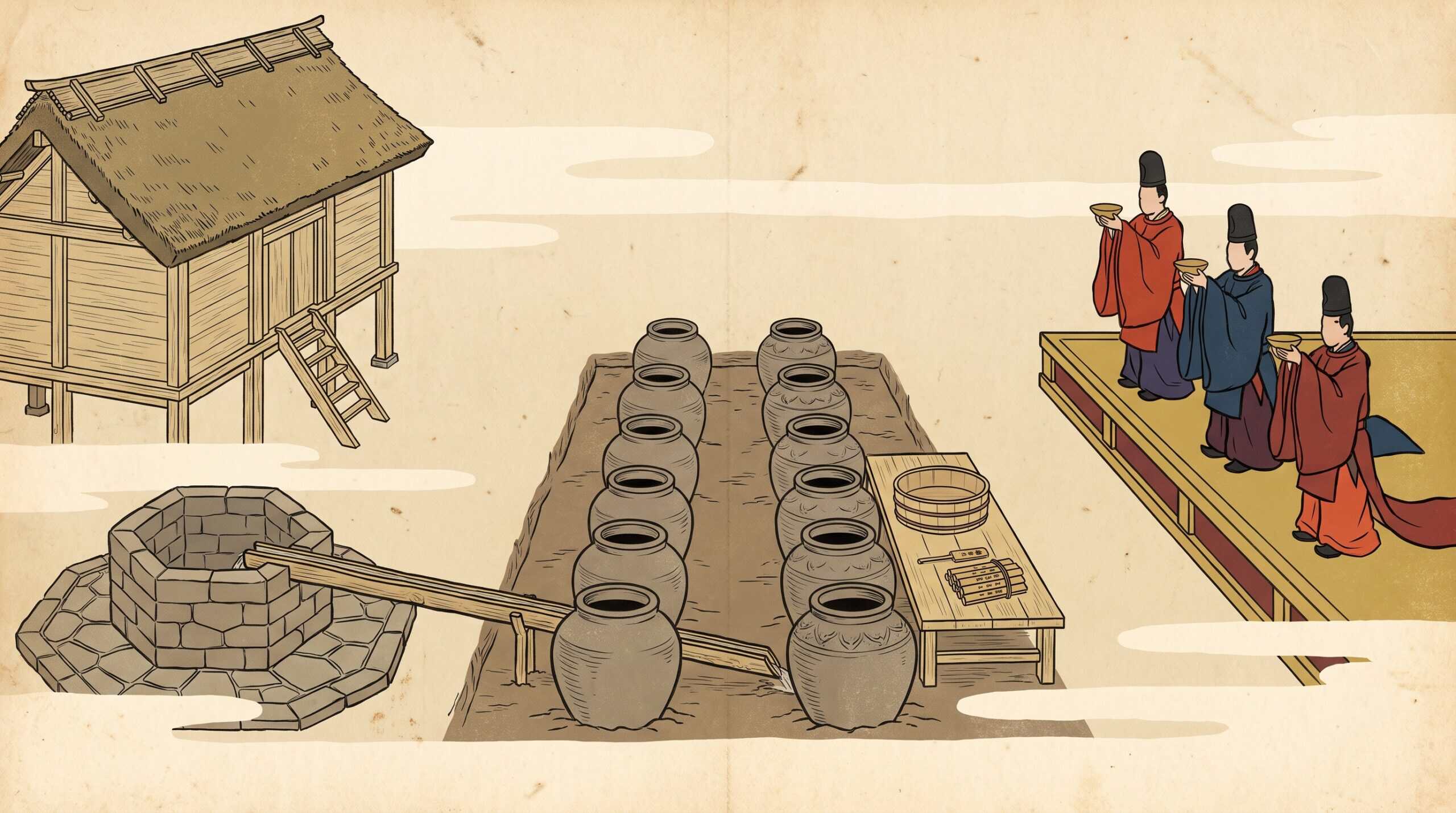
Nara and Heian Sake: Court Brewing and History
1 day ago
7

Hoya (ほや)
2 days ago
15
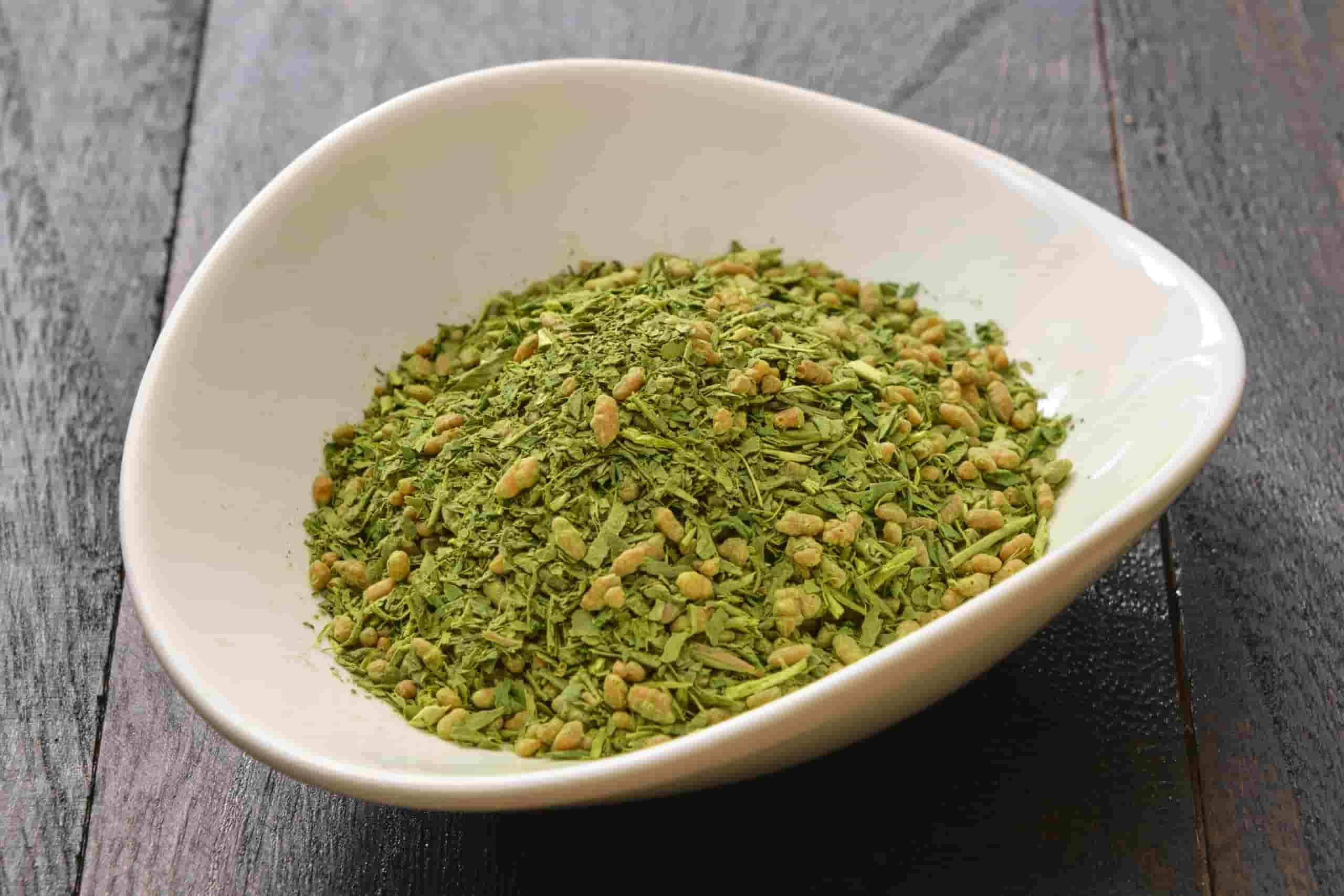
Matcha-iri genmaicha (抹茶入り玄米茶)
3 days ago
19
Popular
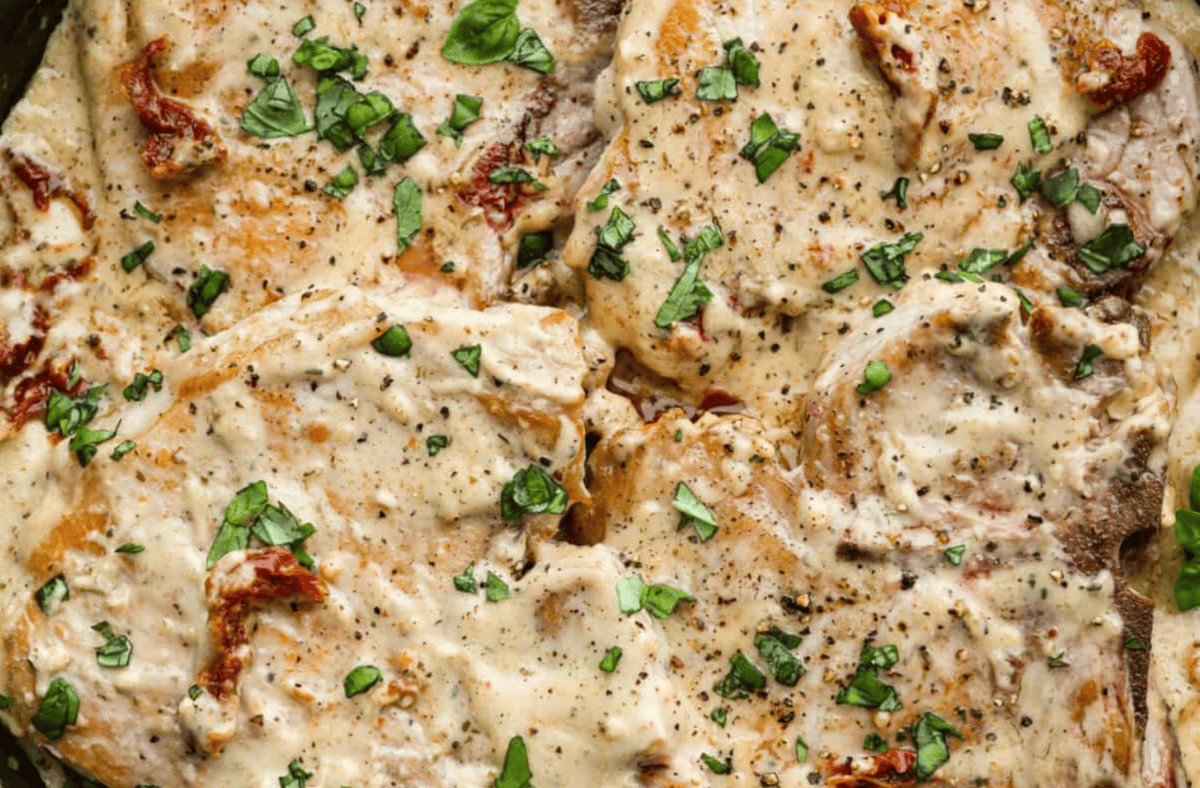
Marry Me Pork Chops
3 weeks ago
76

Weekly Meal Plan #102
4 weeks ago
73
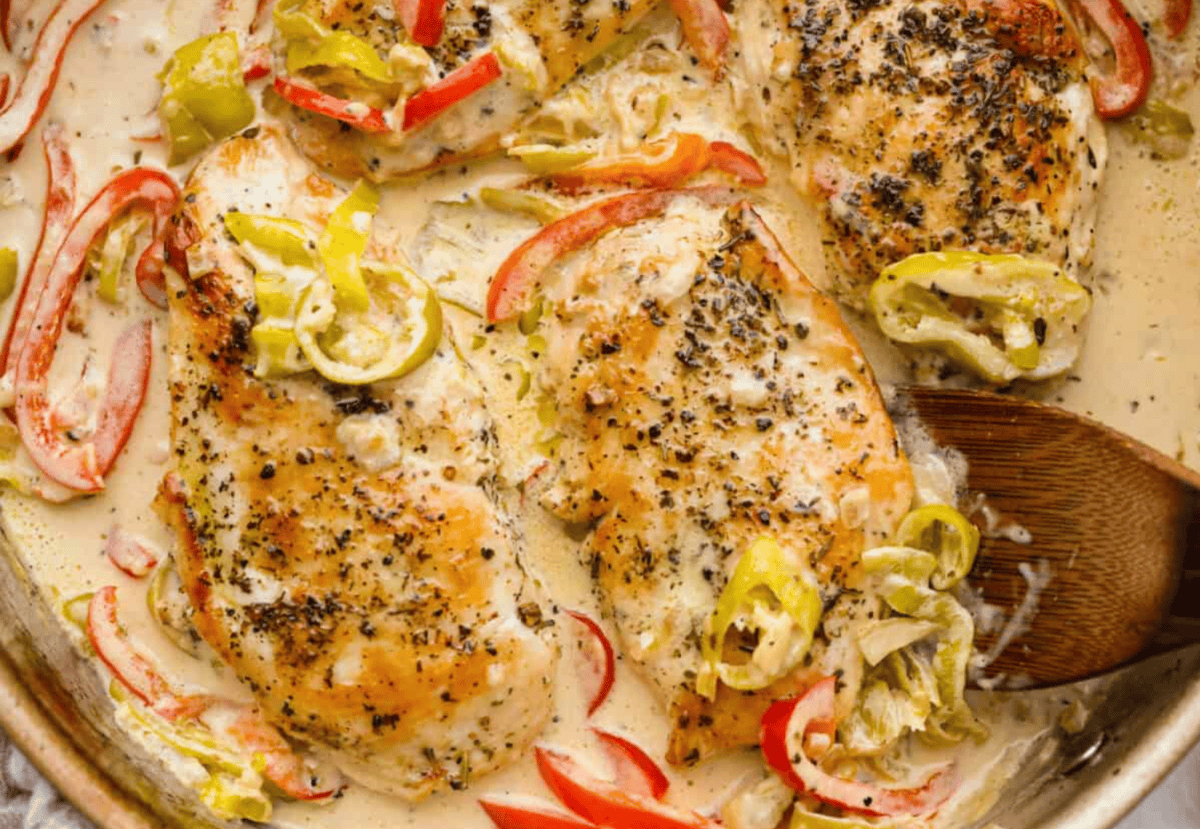
One Pan Creamy Pepperoncini Chicken
1 month ago
71
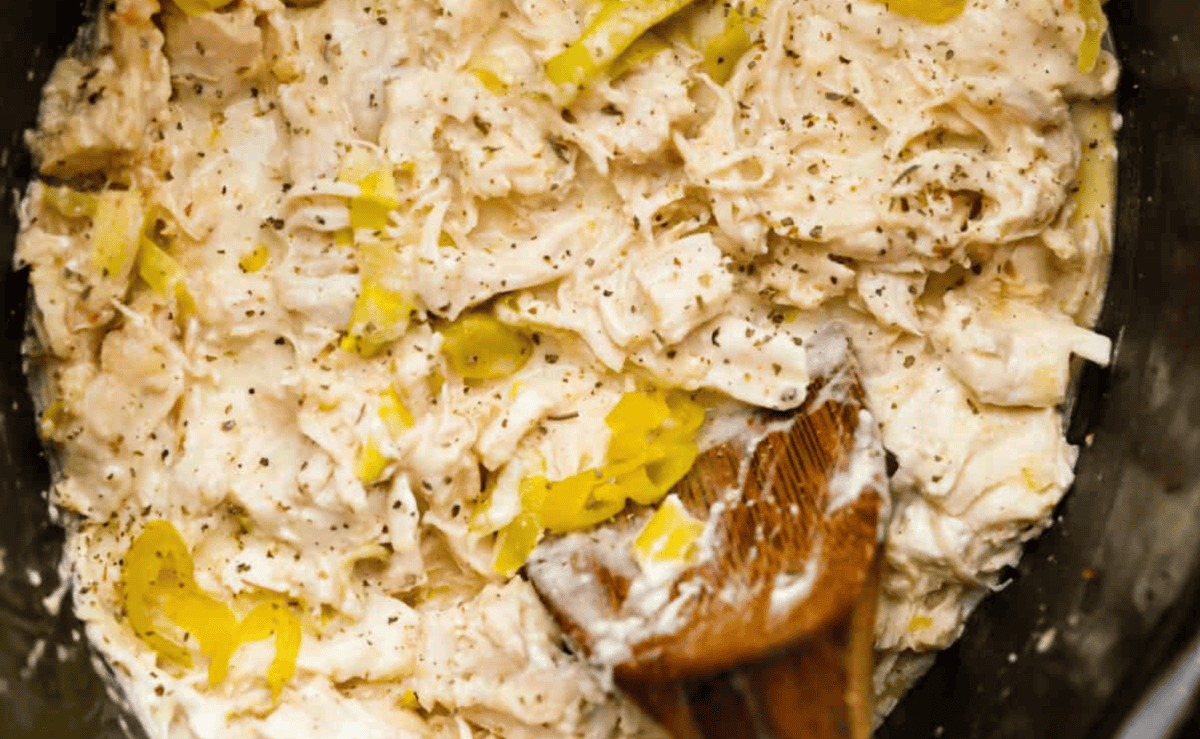
Crockpot Italian Grinder Chicken
4 weeks ago
68
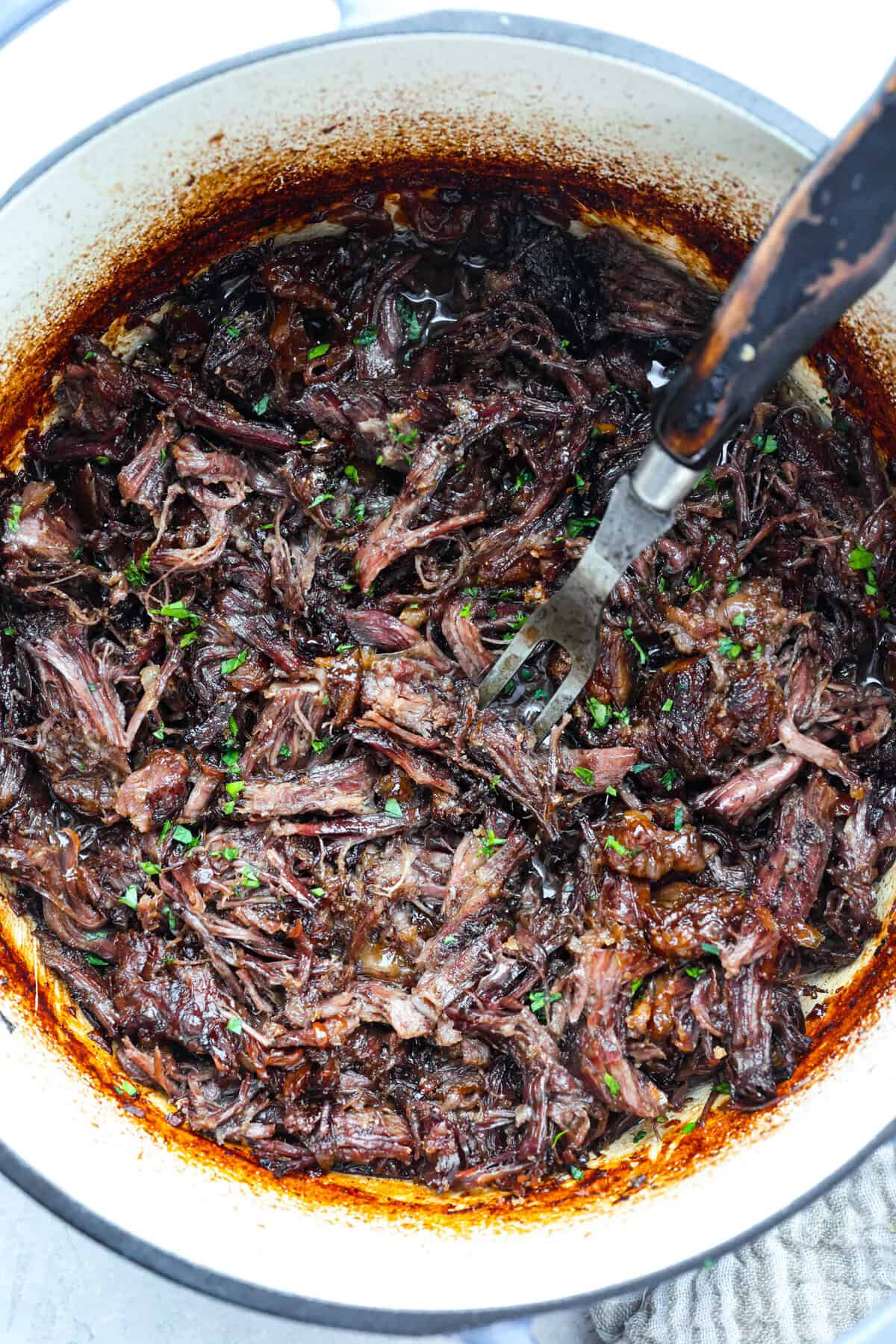
Caramelized Chuck Roast
2 weeks ago
67
 English (US) ·
 © Daily Food 2026. All rights are reserved
