
 6 hours ago
2
6 hours ago
2
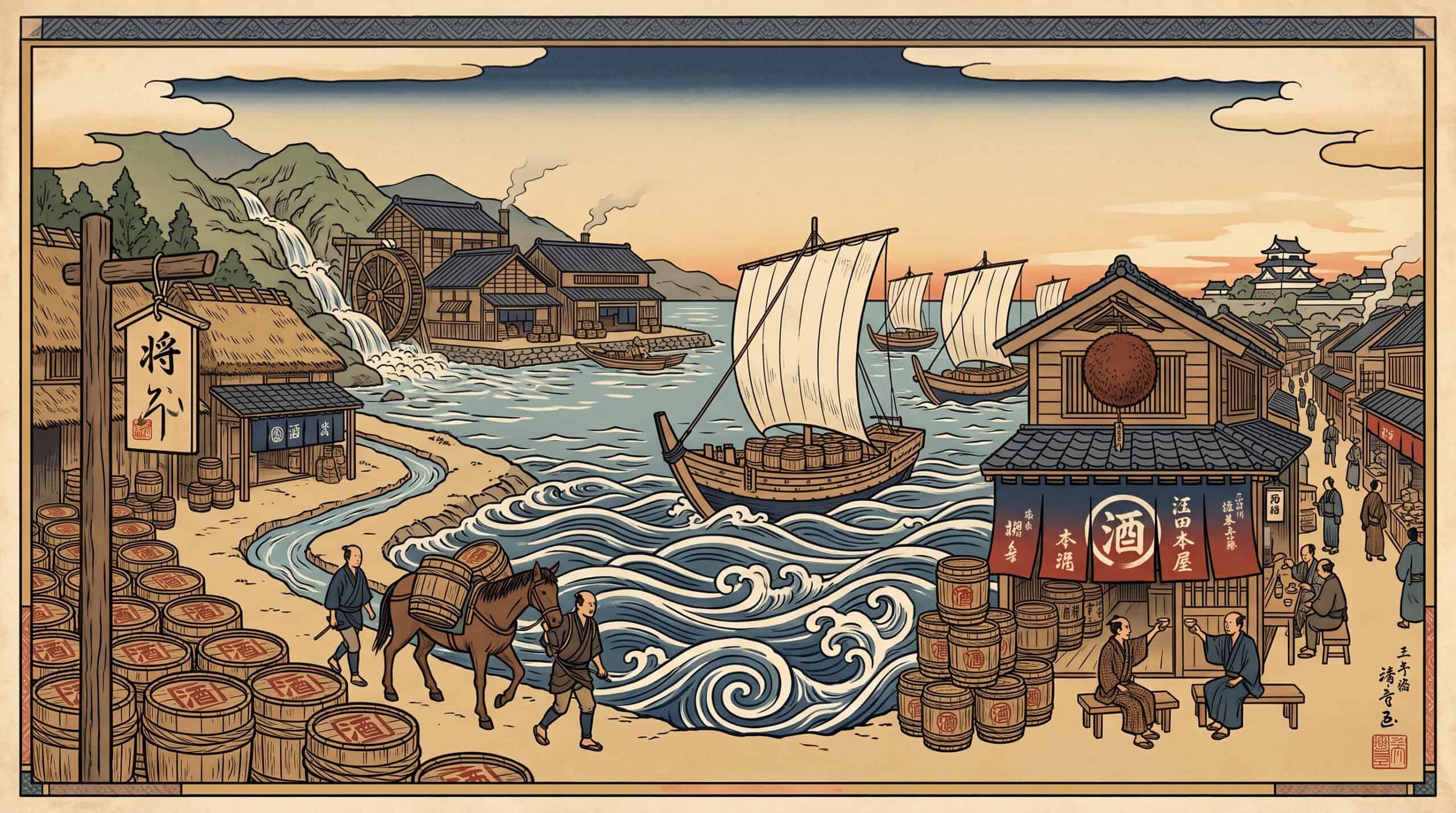
Beneath the grass of the Heijo Palace site in Nara, archaeologists uncovered a well surrounded by hexagonal stone paving. Nearby lay wooden pipes, the sockets of large ceramic jars, and wooden tablets carrying notes about brewing. These were not the remains of an ordinary household workshop. They belonged to a government office, and its job was making sake for the emperor. Brewing did not stop being a household, community, or religious activity during these centuries. What changed is that the imperial court also turned it into a documented administrative operation, with an office, assigned workers, official rice supplies, and a ceremonial production schedule. This article follows that development: the brewing office, the people who did the work, the rituals the sake served, and the tenth-century law text that recorded it in unusual detail. TOCWhen Sake Became an Organized Institution Earlier rice drinks belonged to farming villages, to shrines, and to local elites. Such drinks certainly existed, although the surviving evidence is limited. Our guide to ancient sake handles that stage in detail, so this article does not repeat it. What changes in the Nara period (710 to 794) is paper...
Related

Hoya (ほや)
1 day ago
10
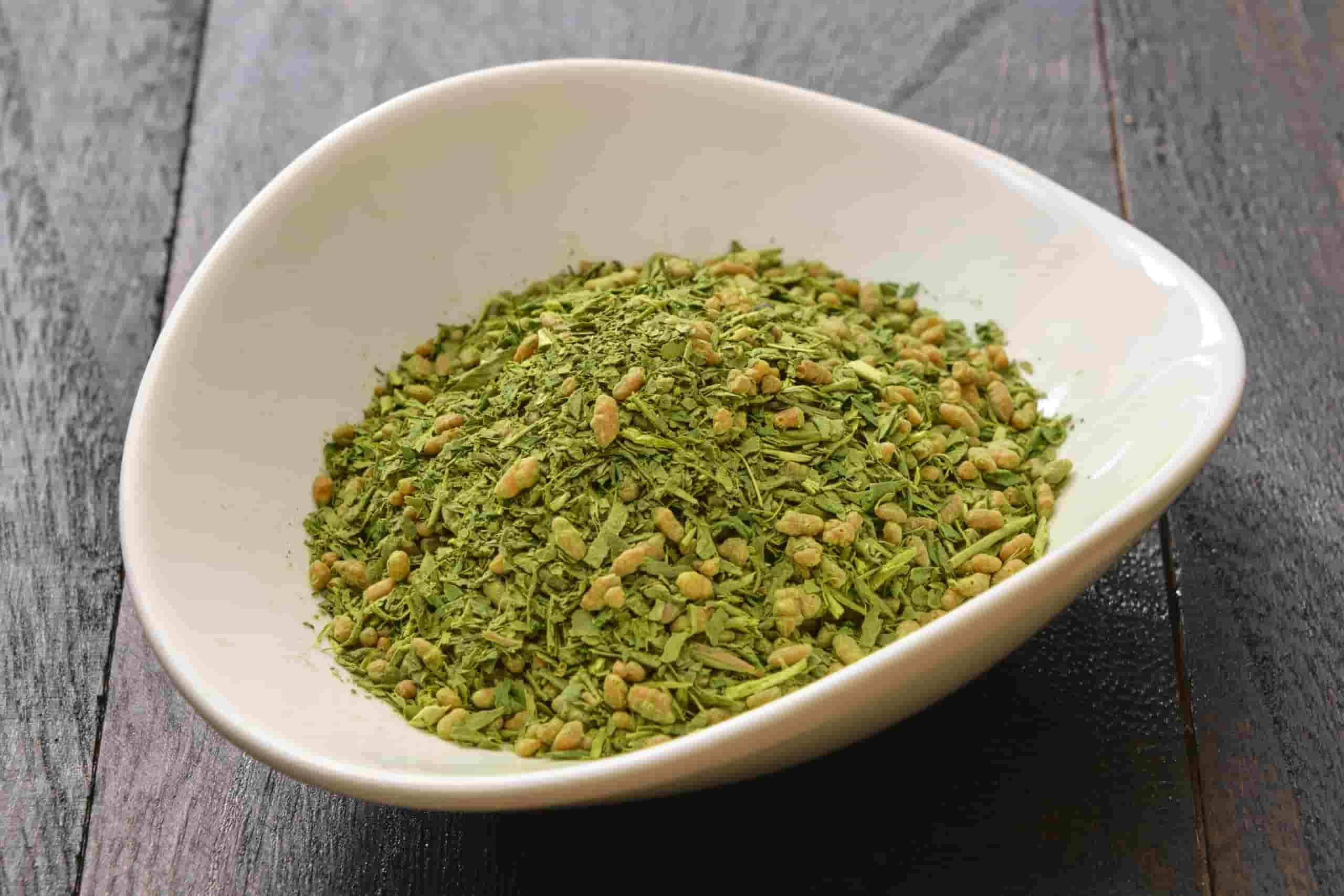
Matcha-iri genmaicha (抹茶入り玄米茶)
2 days ago
14
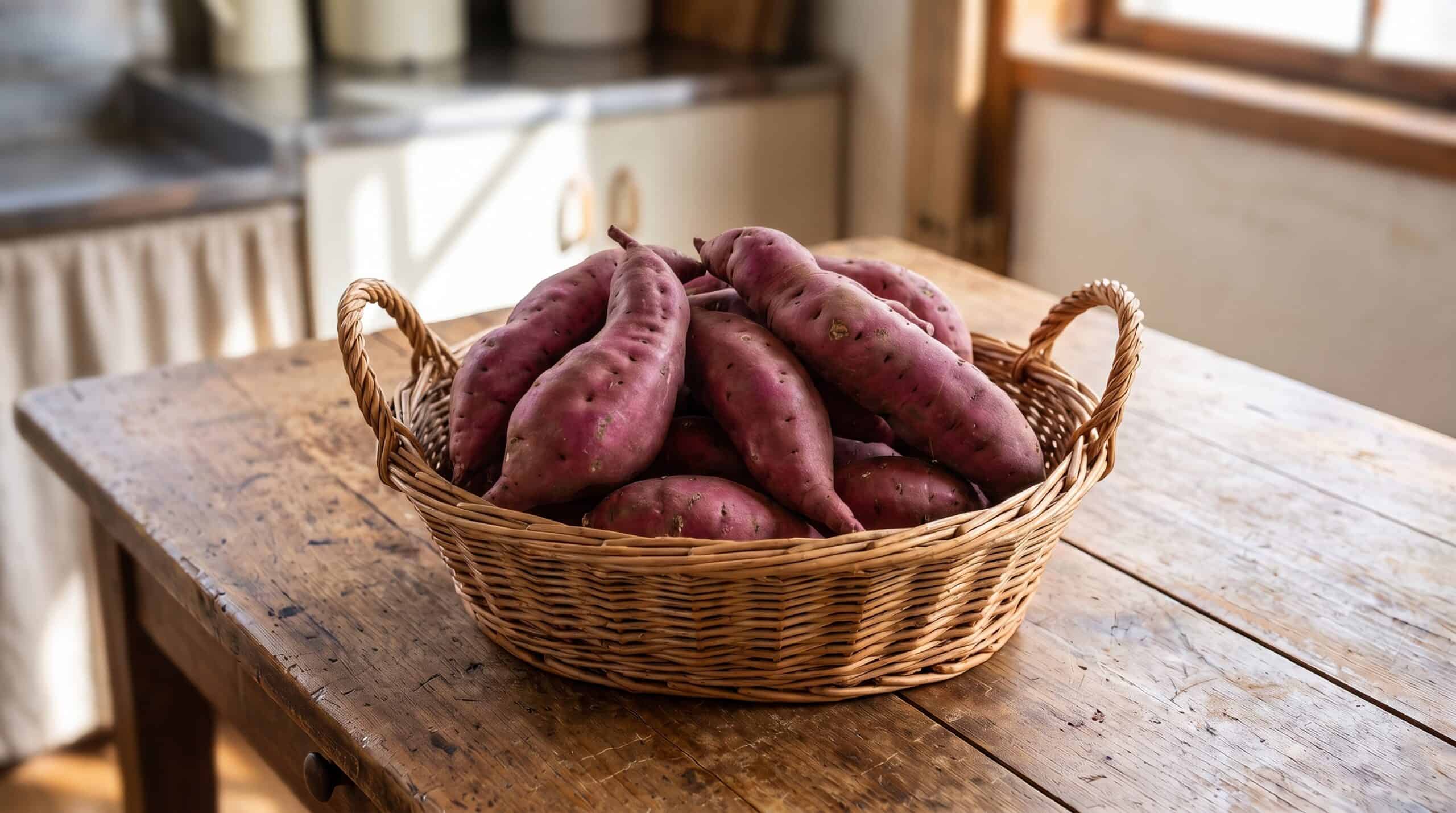
Benikomachi Sweet Potato (紅小町)
3 days ago
22
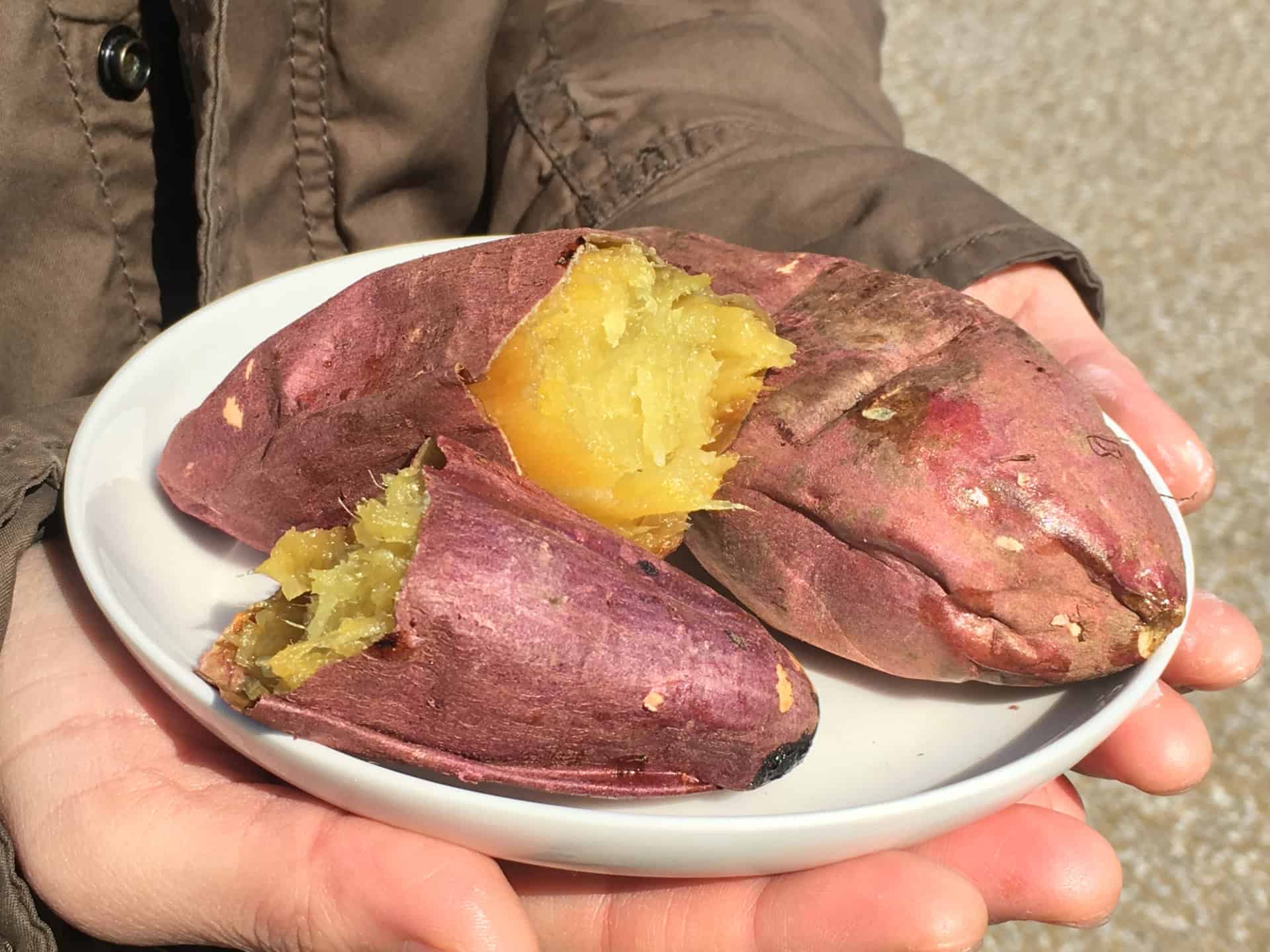
Beniharuka Sweet Potato (紅はるか)
3 days ago
25
Popular

Marry Me Pork Chops
3 weeks ago
76

Weekly Meal Plan #102
4 weeks ago
73

One Pan Creamy Pepperoncini Chicken
4 weeks ago
71

Crockpot Italian Grinder Chicken
3 weeks ago
68
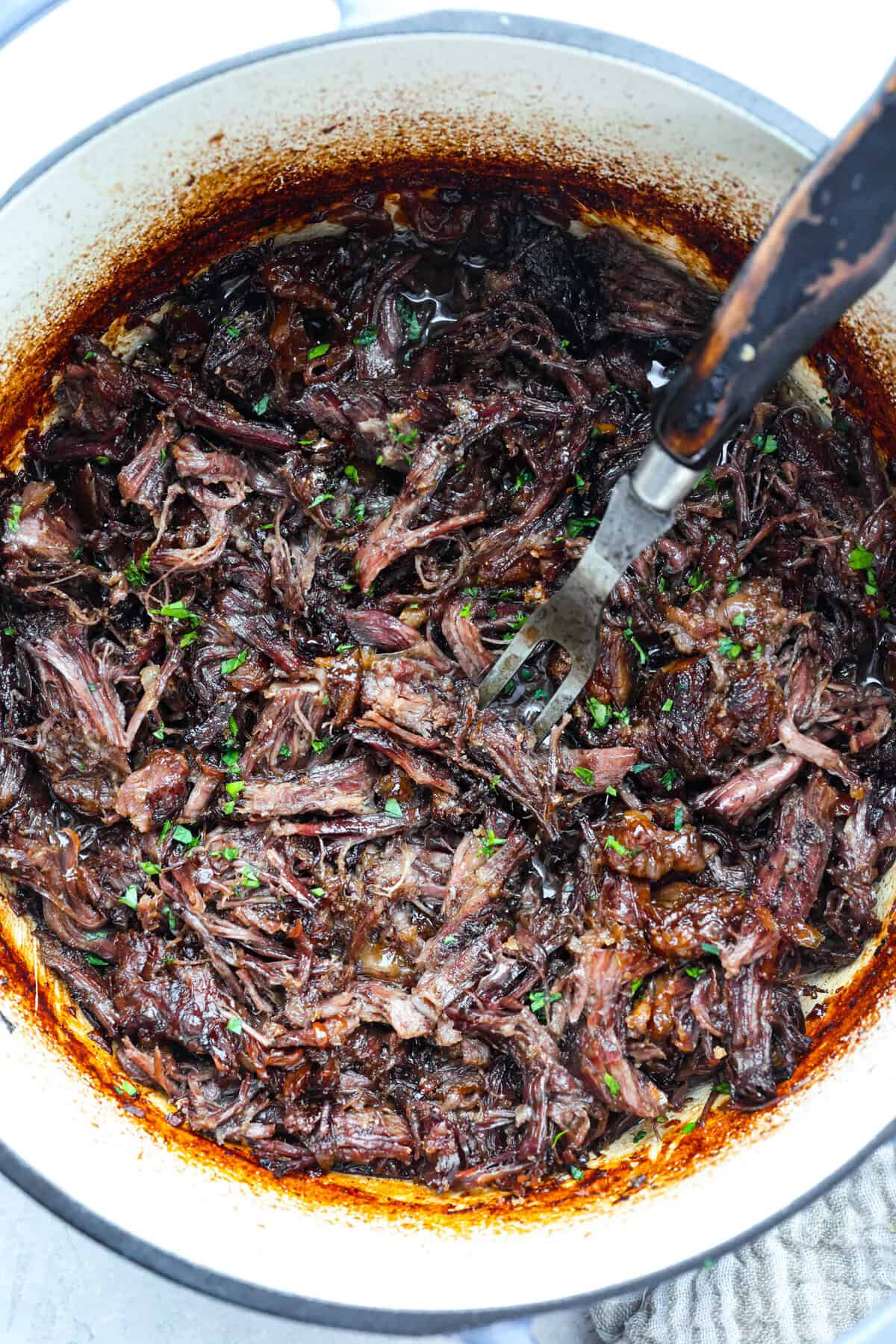
Caramelized Chuck Roast
2 weeks ago
67
 English (US) ·
 © Daily Food 2026. All rights are reserved
