
 3 weeks ago
27
3 weeks ago
27
There is something quietly perfect about onigiri. You pick one up at a convenience store, peel back the plastic wrapper in three quick steps, and in under a minute you have a satisfying meal in your hand. No plates. No utensils. Just instant bites.. For anyone who has lived in Japan, or even visited for a week, that little triangle of rice starts to feel less like a snack and more like a philosophy.
But how did a handful of seasoned rice wrapped in seaweed become one of the most consumed foods in the country? The answers reach back further than most people expect.
From Samurai Rations to Modern Convenience Stores
Onigiri History: How Rice Balls Became Everyday Food
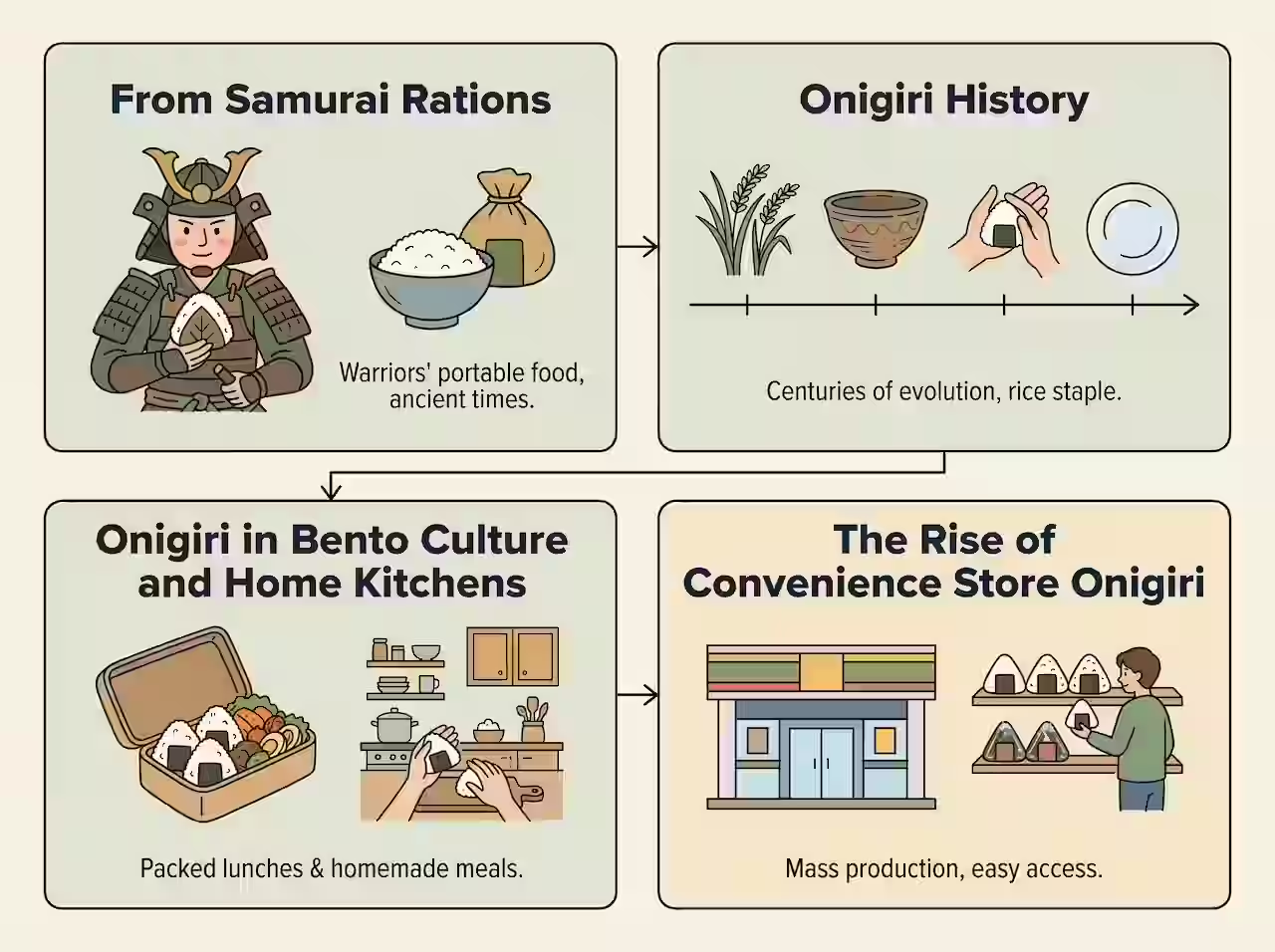
Onigiri is old. Genuinely, surprisingly old. Archaeological evidence suggests that compressed rice balls were consumed in Japan as far back as the Yayoi period, roughly 2,000 years ago. By the Heian period, rice balls called tonjiki were eaten by court nobles during outdoor events. Warriors understood the appeal, too. During the Sengoku period, soldiers reportedly carried onigiri in their armor as field rations. It was not gourmet food. It was fuel.
What is remarkable is that the core idea never really changed. The rice, the shape, the hand-pressing technique. What evolved was everything around it: the fillings, the nori wrapping, and eventually the packaging that allowed onigiri to travel from home kitchens into the hands of millions of people every morning.
Onigiri in Bento Culture and Home Kitchens
Long before convenience stores entered the picture, onigiri lived in bento boxes. Mothers packed rice balls for school lunches. Hikers brought them on trails. Factory workers unwrapped them during short breaks. The food was never pretentious. It did not need to be.
At home, making onigiri is still one of the first cooking skills many Japanese children learn. You wet your hands, rub on a little salt, scoop warm rice into your palm, press in a filling, and shape. Two minutes per piece. The result feels genuinely handmade in a way that even a carefully prepared sandwich somehow does not. That light coating of salt on the rice, by the way, is not just for flavor. It acts as a mild preservative and subtly draws out the sweetness of the grain. Small details like that reveal how much accumulated knowledge is packed into something so simple.
The Rise of Convenience Store Onigiri
The shift from homemade staple to mass-market product happened in the 1970s and accelerated through the 1980s. Seven-Eleven Japan is widely credited with popularizing the individually wrapped onigiri most people recognize today. The key innovation was not the rice or the filling. It was the packaging. Early versions suffered from a soggy nori problem: seaweed pressed directly against rice absorbed moisture and lost its crispness within hours. The solution was a layered wrapper that kept nori and rice separated until the moment of opening. That three-step pull-and-peel mechanism became iconic. Many first-time visitors spend a few puzzled minutes with it. Once mastered, the action becomes automatic.
Today, a typical convenience store stocks twenty to forty varieties at any given time. Japan’s convenience store industry sells an estimated 2 billion onigiri per year. That is roughly sixteen per person annually, for every man, woman, and child in the country.
Why Onigiri Became Japan’s Ultimate Portable Meal
Practical Design: Shape, Size, and Packaging
Good design is usually invisible. You do not notice it until something is designed badly. Onigiri’s design is very good.
The triangular shape fits naturally into the palm, compact enough to eat without a table, sturdy enough not to fall apart. The cylindrical version, called tawara, is preferred for bento use because it stacks without rolling. Round onigiri are common in western Japan, around Osaka and Kyoto. The shape varies by region, but the logic stays the same: one hand, one bite cycle, no mess.
Onigiri for Lunch, Snacks, and Late-Night Study Sessions
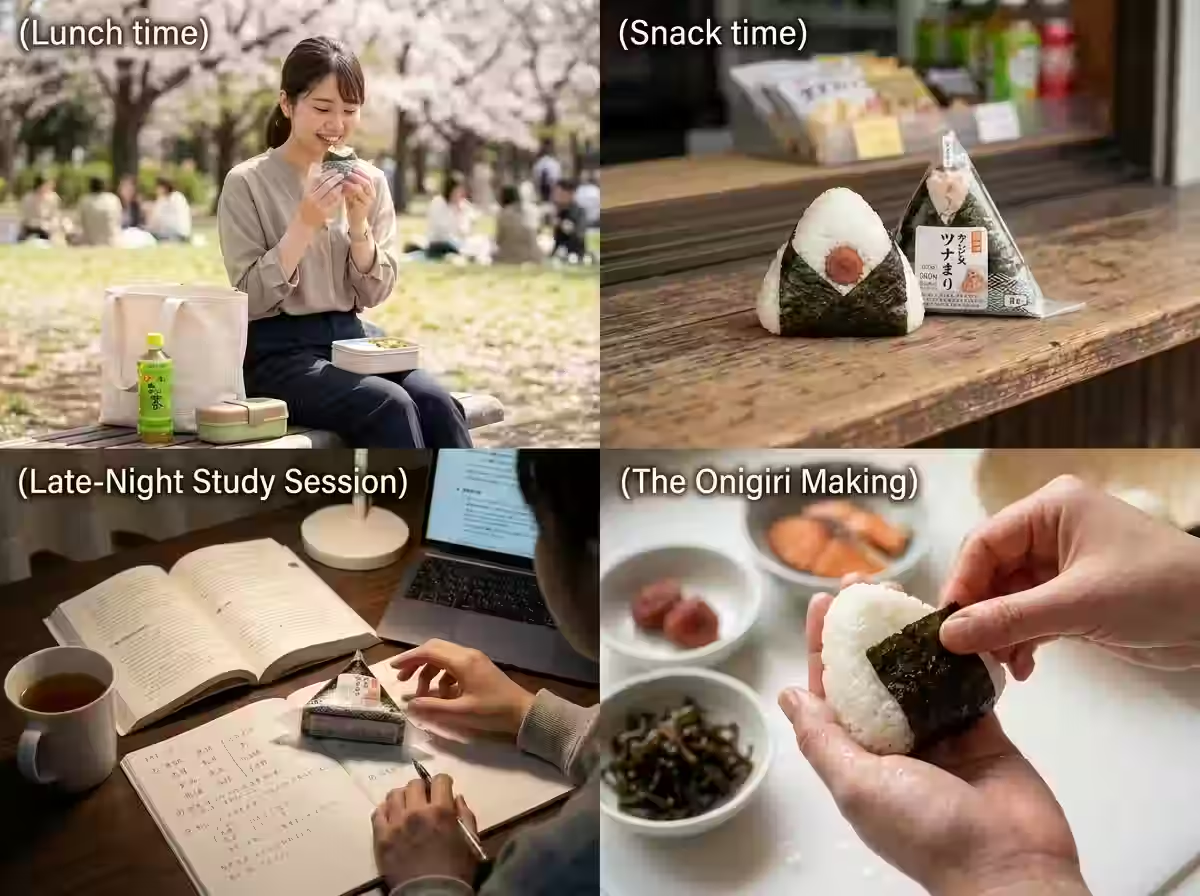
Ask people in Japan when they eat onigiri and you get a surprisingly varied answer. Lunch is the obvious time. Most onigiri cost between 100 and 180 yen, roughly one to two dollars, making them one of the most accessible meals in any city. But onigiri also appears at unusual hours. Students preparing for university entrance exams have a well-documented relationship with convenience store rice balls as late-night fuel. The image is a cliche: a desk covered in notes, an empty drink can, a half-eaten rice ball in its wrapper. It sounds bleak. It also sounds very familiar to anyone who has been through a Japanese high school.
Then there are picnics, hiking trips, and cherry blossom viewing parties where someone always shows up with a bag of homemade onigiri. Context shifts. The food does not.
Why Japanese Rice Balls Travel Better Than Many Sandwiches
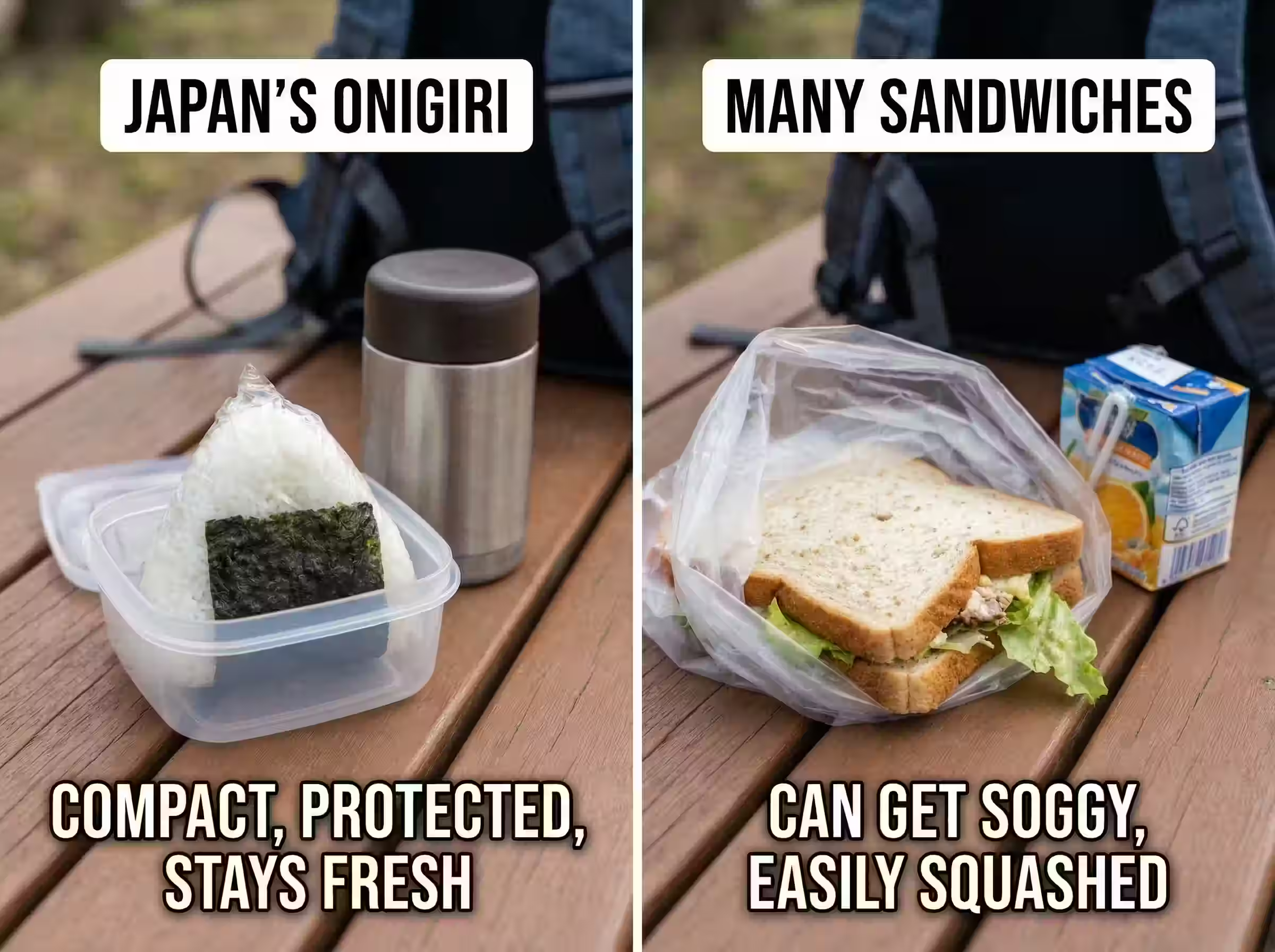
This comparison comes up often among people who move between Western and Japanese food cultures. Sandwiches have real limitations as portable food: bread loses texture quickly, and fillings with fresh vegetables or mayonnaise go soggy within an hour.
Onigiri sidesteps most of these problems. Japanese short-grain rice stays soft at room temperature without becoming unpleasant. Classic fillings such as salted salmon, pickled plum, and seasoned cod roe were chosen partly for flavor and partly because they hold up well without refrigeration. Most have a long history as preserved or fermented foods. Practical wisdom, built into those choices over centuries.
Who Eats Onigiri and When?
Students and Busy Parents
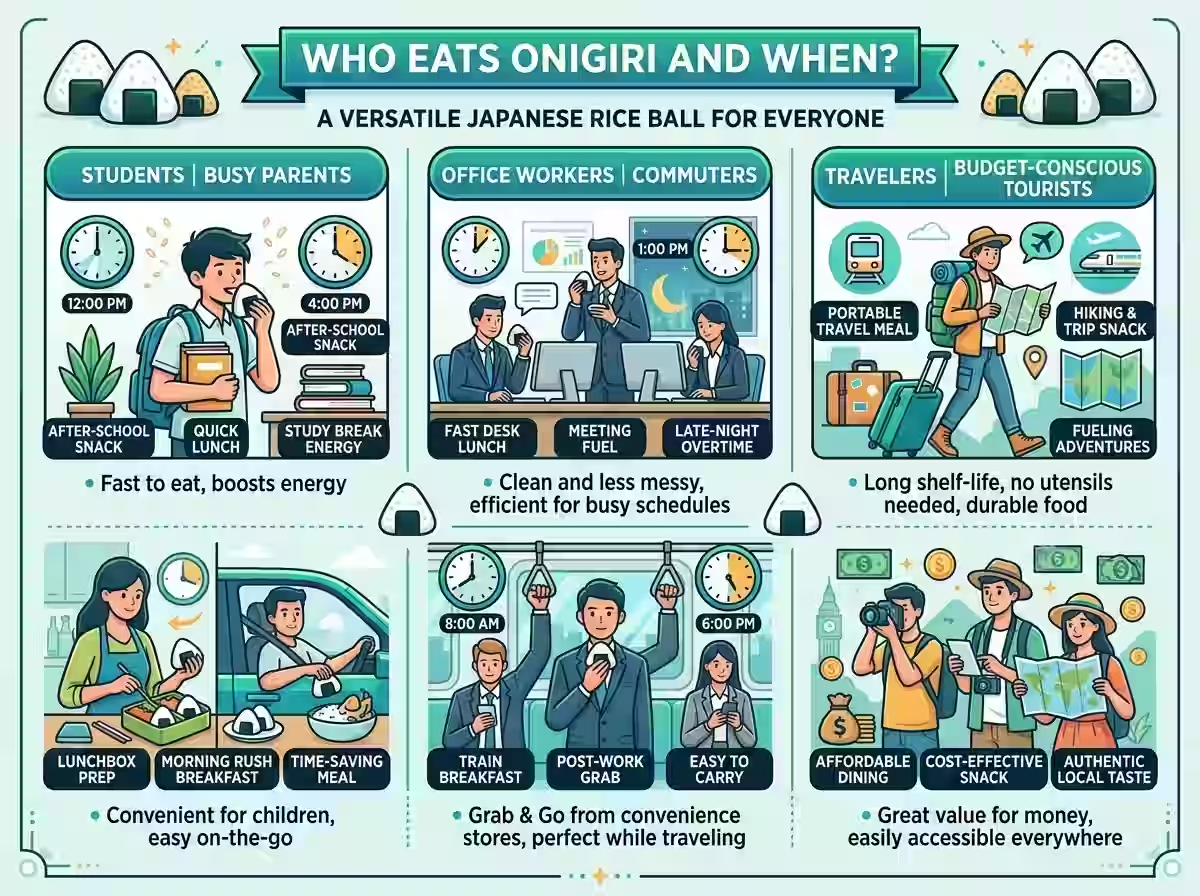
Walk past any Japanese middle school around noon and you will see onigiri in lunchboxes. Convenience store versions are especially common among older students who handle their own lunch decisions. Affordable, no preparation required, fits in a school bag.
Parents of young children often make onigiri at home for bento boxes, sometimes shaping them into animals or characters using plastic molds, a practice known as kyaraben. A child who refuses plain rice might eat the exact same rice enthusiastically when it is shaped like a panda. For parents themselves, onigiri often represents the fastest acceptable answer to the question of what to eat between errands and pickups.
Office Workers and Commuters
The convenience store onigiri market was largely built around the office worker demographic, and that relationship remains strong. Morning commuters grab one on the way to the train. Others tuck two into their bag for a desk lunch. The entire transaction, from entering the store to leaving with food in hand, typically takes under three minutes.
In Japan, solitary and fast eating is unremarkable. Convenience stores design their layouts to accommodate it, with small standing counters and easy access to chopsticks and napkins. The assumption is that you will eat now and move on. That assumption is respected.
Travelers and Budget-Conscious Tourists
For visitors to Japan on a limited budget, convenience store onigiri is one of the best discoveries available. Two onigiri plus a small side and a drink can cost under 600 yen. The quality, by the standards of fast food sold anywhere in the world, is genuinely high. The rice is fresh, rotated throughout the day. The nori, when the wrapper is opened correctly, is crisp.
First-time visitors are sometimes put off by unfamiliar fillings. Labels are usually in Japanese, and even romanized names like mentaiko or okaka require explanation. Part of the experience, honestly, is pointing at something unidentifiable and seeing what you get. Umeboshi, the pickled plum, tends to produce strong reactions in either direction. There seems to be no neutral response to that particular filling.
What Convenience Store Onigiri Tells You About Japanese Taste Trends
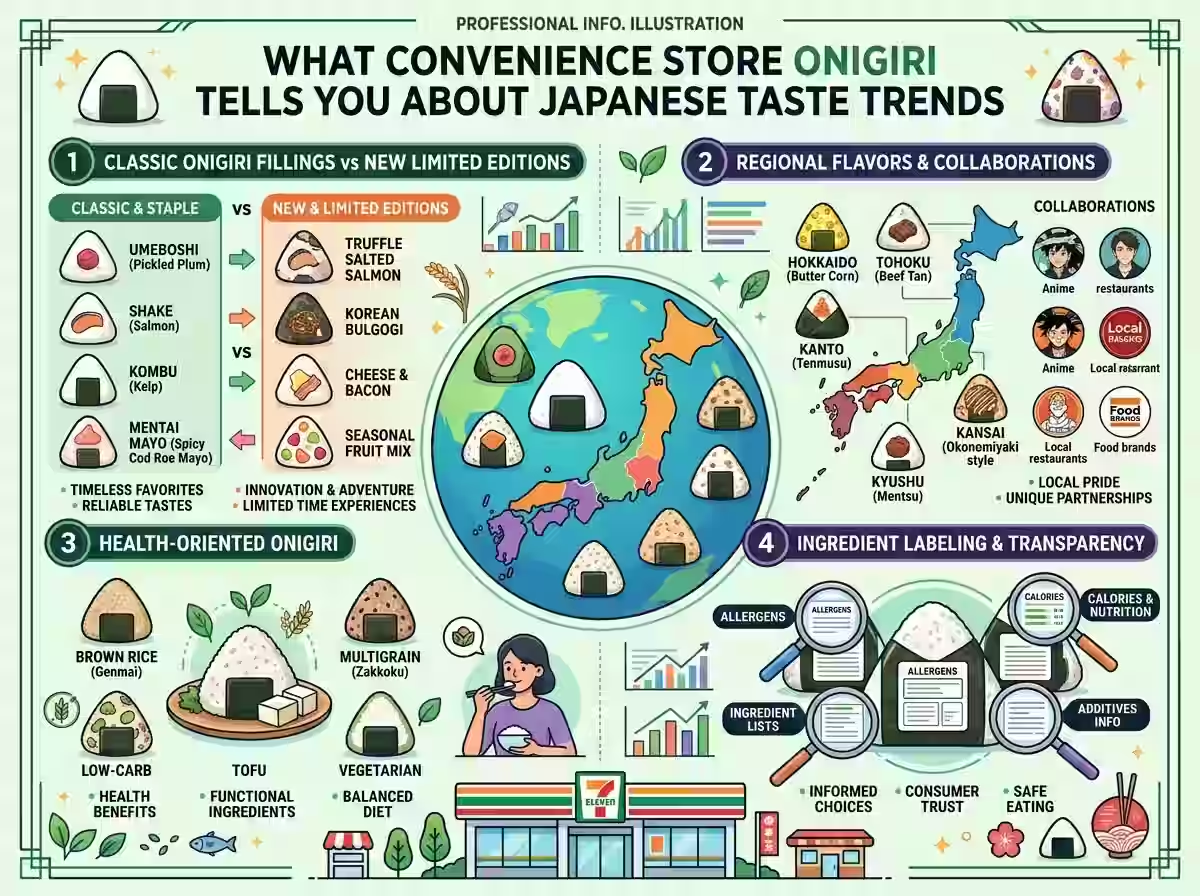
Classic Onigiri Fillings vs New Limited Editions
The canon of classic fillings is relatively stable. Grilled salted salmon tops popularity surveys year after year. Tuna mayo, introduced in the 1980s, is widely credited with turning convenience store onigiri into a mainstream product. Umeboshi divides opinion but has never gone away. Around this stable core, seasonal and limited-edition fillings keep things interesting. Autumn brings mushroom and chestnut combinations. Summer introduces lighter options. The marketing follows a pattern similar to seasonal coffee drinks: limited availability, social media coverage, and customers visiting multiple stores to track down a specific variant. Remarkably effective for a food with roots in feudal Japan.
Regional Flavors and Collaborations
Japan’s major convenience chains adjust their lineups based on geography. A store in Hokkaido carries different onigiri than one in Okinawa. Spicy mentaiko is particularly associated with Fukuoka. Premium onigiri made with Niigata rice are sold primarily in that region. Collaborations with local producers, restaurants, and even anime properties have become increasingly common, blurring the line between packaged food and cultural merchandise.
Rather than erasing local food identity, the convenience store network has in some cases amplified it, giving regional flavors a distribution platform they would not otherwise have had.
Health-Oriented Onigiri and Ingredient Labeling
As health consciousness has grown, convenience store onigiri has adapted. Brown rice and multigrain blends now occupy significant shelf space. Reduced-sodium versions of classic fillings have appeared alongside options marketed to people managing blood sugar or calorie intake. The ingredient labeling, by international standards, is quite detailed: calorie counts, macronutrient breakdowns, and allergen information appear on every package.
It would be misleading to call convenience store onigiri health food. Most versions contain refined white rice and sodium-heavy fillings. But within the landscape of fast portable meals, it compares reasonably well.
Lessons from Onigiri for Quick, Balanced Eating Anywhere
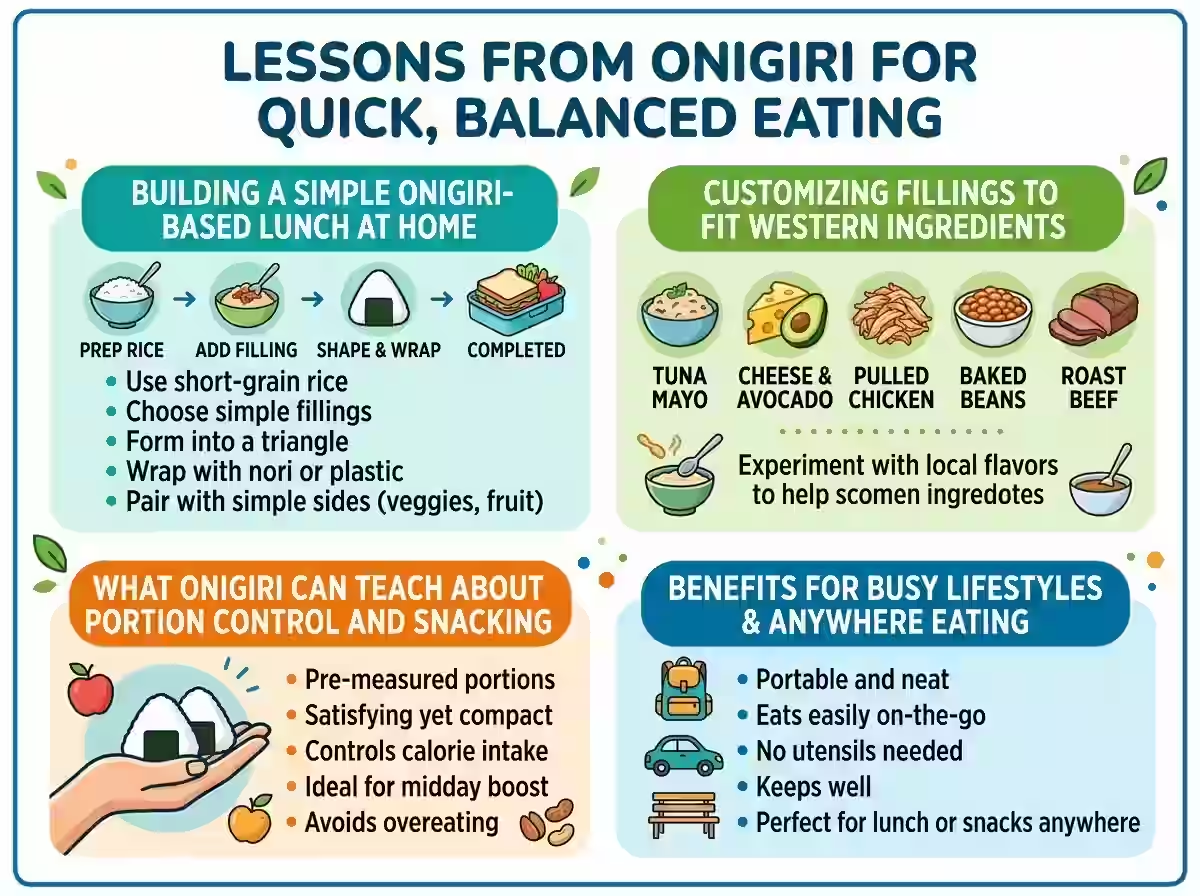
Building a Simple Onigiri-Based Lunch at Home
Making onigiri at home is easier than most people outside Japan assume. The main requirement is short-grain Japanese rice, properly cooked and steamed. The stickiness is not just a texture preference; it is the structural ingredient that holds everything together. Beyond that, the process is forgiving. Wet your hands, add a little salt, press the rice around your filling, shape. Two rice balls with miso soup and pickled vegetables: a balanced lunch with minimal prep and almost no cleanup.
Customizing Fillings to Fit Western Ingredients
The onigiri format is more adaptable than it looks. The rice and shape are fixed. The filling, within reason, is not.
Canned sardines with lemon zest echo the preserved-fish tradition of classic Japanese onigiri. Smoked salmon with cream cheese bridges Japanese and Nordic sensibilities. Pulled chicken adapts the meat soboro style. The key principle is that fillings should be intense in flavor, because they are surrounded by plain, lightly salted rice. A filling that tastes slightly too strong on its own will often taste balanced inside a rice ball. That recalibration of seasoning is one of the more transferable lessons from Japanese cooking.
What Onigiri Can Teach About Portion Control and Snacking
Onigiri are preportioned by design. Each one is a defined, self-contained unit. You finish it, and then you decide whether to have another. There is a natural pause built into the format that encourages awareness of intake without requiring any deliberate counting.
Japanese food culture has long embedded portion awareness into its structure: small dishes, individual servings, the expectation that you stop when the serving is finished. Onigiri participates in that logic quietly. And a well-made rice ball is more satisfying than its size suggests. The combination of starchy rice, a hit of salt, and a concentrated savory filling creates a sense of completion that a handful of crackers rarely achieves. Satisfaction involves more than calorie count. Texture, flavor contrast, and the knowledge that you are eating real food all factor in.
Onigiri figured that out a long time ago.
Onigiri is not complicated. That is, perhaps, its greatest strength. A rice ball wrapped in seaweed offers something increasingly rare: clarity. You know what it is, you know how it works, and if you have made one yourself, you know how good something simple can taste when it is made with attention.








 English (US) ·