
 1 month ago
61
1 month ago
61
Sannen Bancha (三年番茶), or “three-year bancha,” is a Japanese tea named for its production timeline, not a single home region. Producers either age mature tea leaves and stems for three years before roasting them. Or they let a tea bush grow untouched for three years, then roast its woody branches. Either path produces a dark, earthy, almost caffeine-free tea. The result tastes closer to a warm, toasty broth than to a typical green tea. That sets Sannen Bancha apart from a regional style like Kyobancha, tied to Kyoto and a specific roasting method. Sannen Bancha is more of a production philosophy than a place. Farms across Japan make their own versions of it. Several use the process specifically to bring old, abandoned tea fields back into use. It’s also unusually well known outside Japan, thanks to a long-standing following among macrobiotic diet practitioners in the West. This guide covers the two ways producers make Sannen Bancha, and how it differs from related stem teas like Kukicha and Karigane. It also covers its role in macrobiotic practice, and how to brew and buy it. For the broader category it belongs to, see the complete Bancha guide. For Kyoto’s own roasted bancha style,...
Related
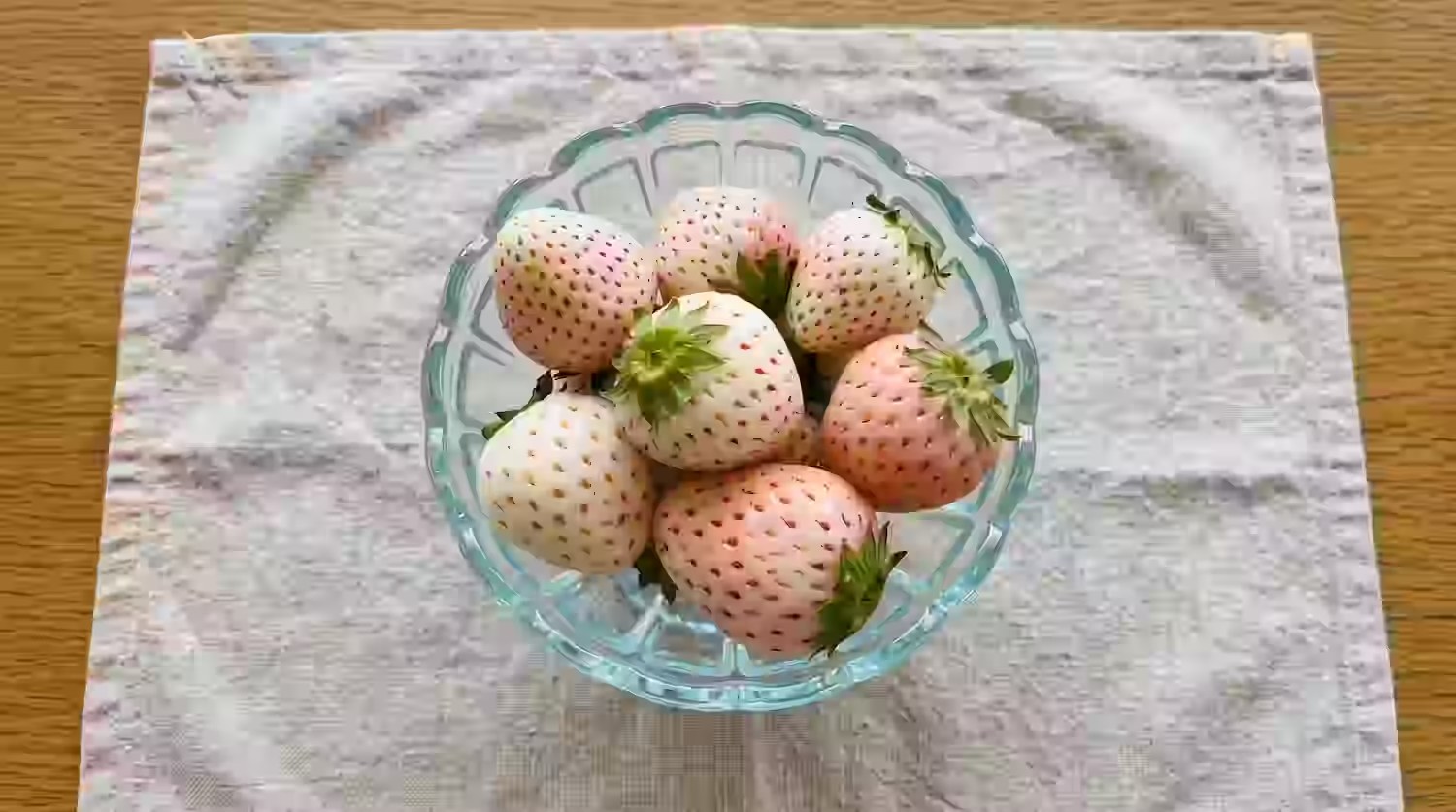
Pearl White Strawberry (パールホワイト)
8 hours ago
4
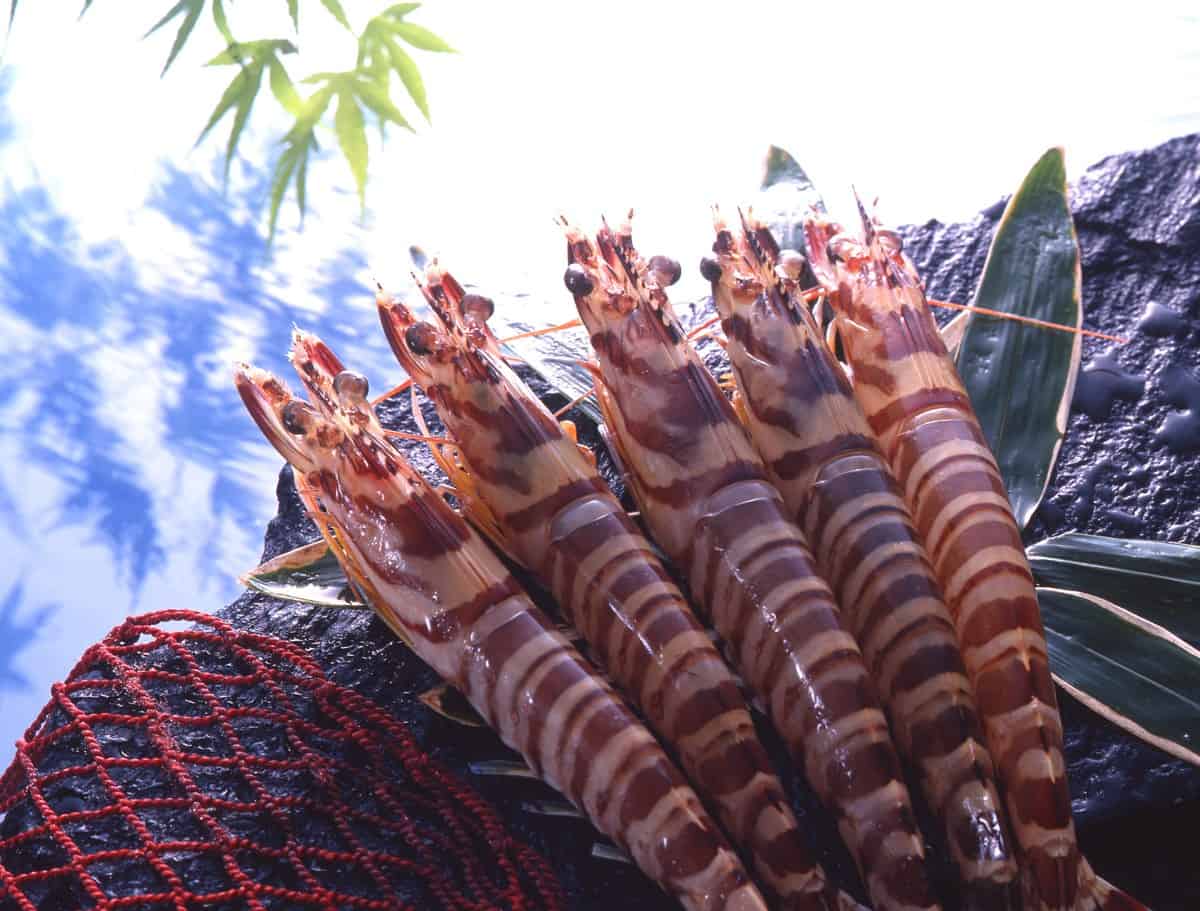
Himeshima Kuruma Prawn (姫島車えび)
20 hours ago
6
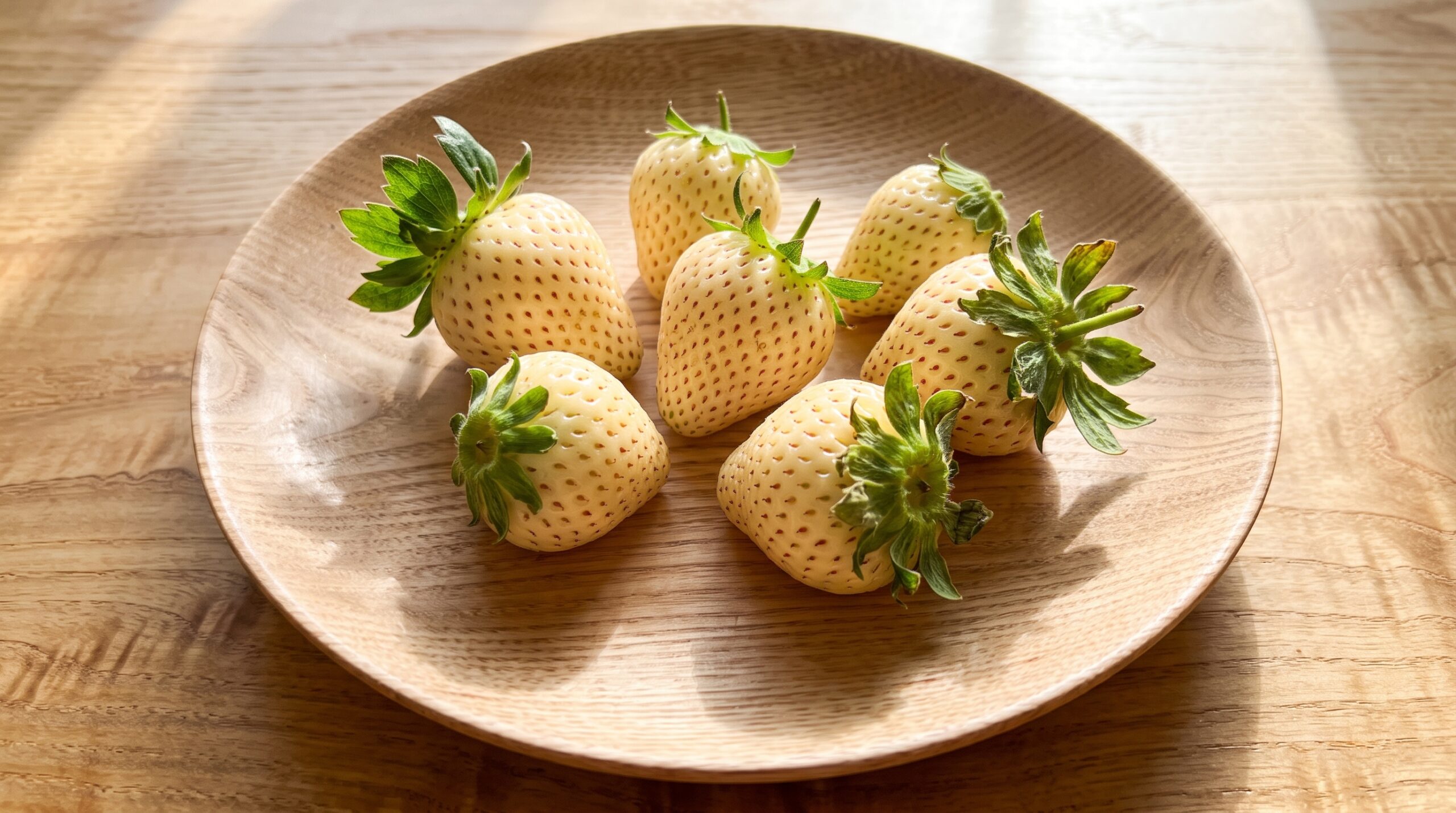
Milky Berry (ミルキーベリー)
1 day ago
7
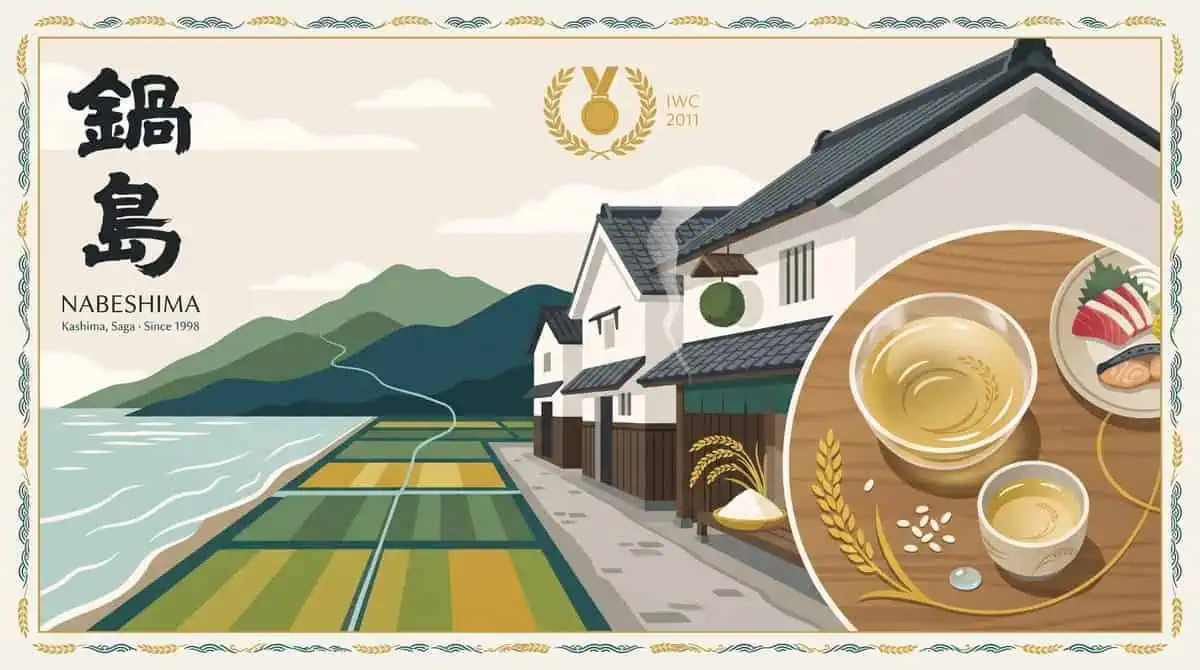
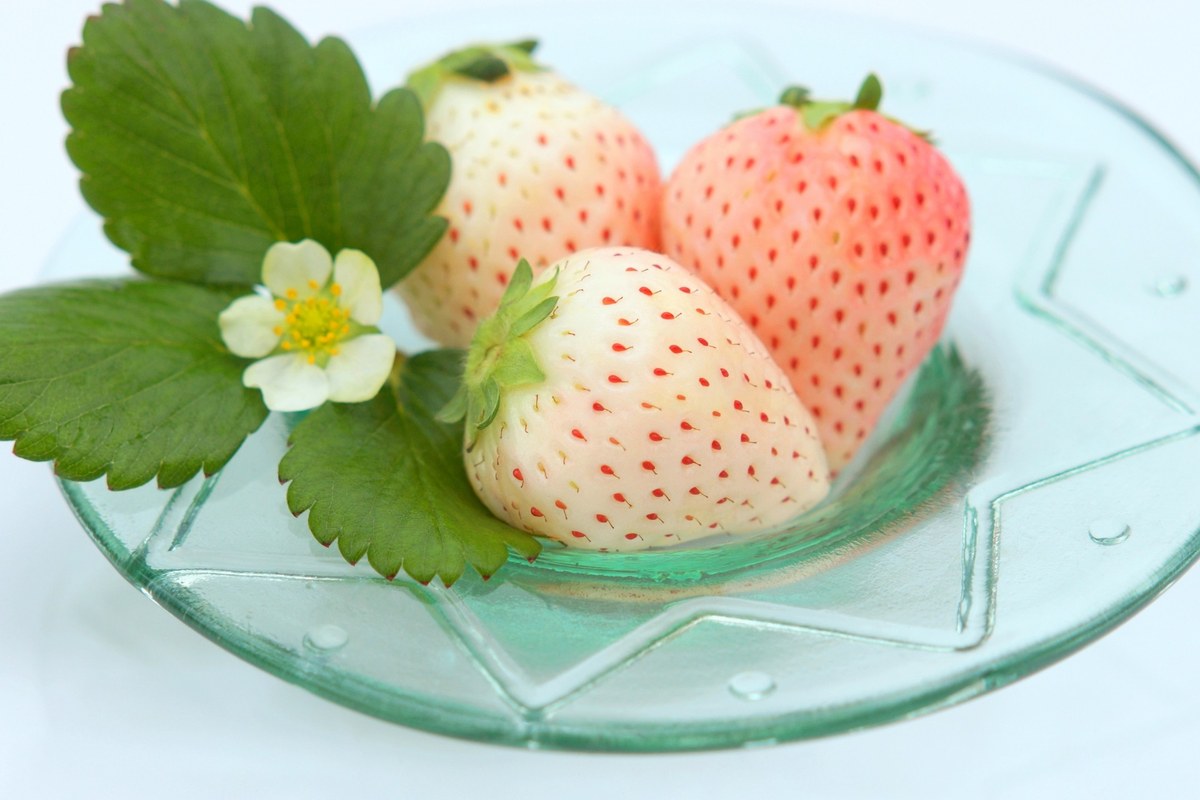
Hatsukoi no Kaori (初恋の香り)
1 day ago
8
Popular

끓일 필요 없어요! 세상 간단한 대추차 만들기
3 weeks ago
69

Cottage Cheese Pancakes
4 weeks ago
67

Chicken and Dumpling Soup
3 weeks ago
67

Hoya (ほや)
3 weeks ago
64
 English (US) ·
 © Daily Food 2026. All rights are reserved
