
 1 hour ago
1
1 hour ago
1
Taimen (鯛めん) is a super special dish served at Japanese parties. It comes from the Nanyo area of Ehime, near Uwajima City. This local food is amazing to look at! The main part is a whole sea bream fish placed right on top of a big pile of thin noodles. Taimen is very important because it connects to old local history and traditions of good luck. It is the star of the show at the region’s biggest events. This report looks at what’s in the food, its history, and where to try this special meal.
What is Taimen?
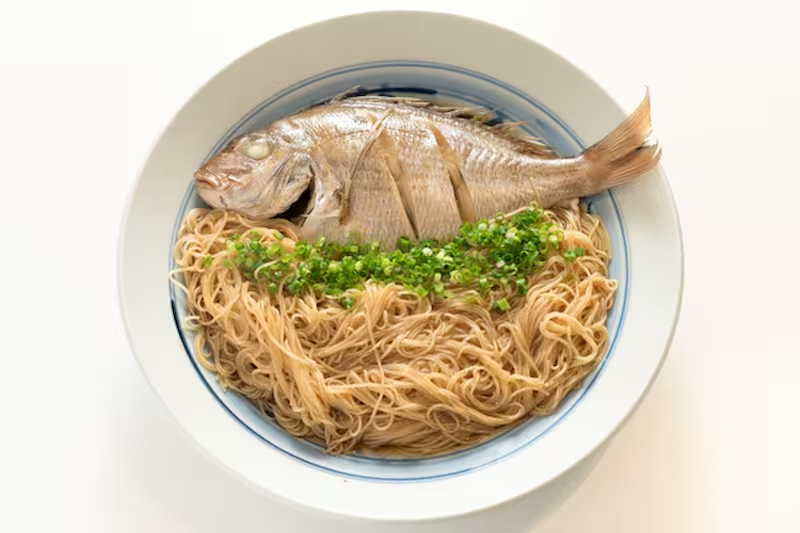
Taimen is a local dish from Ehime, often eaten near the Seto Inland Sea. The two main things you see are the sea bream fish (madai) and sōmen, which are thin, light wheat noodles. The way they cook it gives it a great taste. They cook the whole sea bream slowly in a tasty sauce. The sauce uses soy sauce, rice wine (sake), and sugar. They cook it until the fish looks shiny. The cooked sōmen noodles go under the fish, often on a large plate.
A pouring sauce, called kakejiru, brings the whole dish together. This rich sauce is made by mixing the strong fish cooking liquid with lighter soup stock. This step makes sure the thin noodles soak up all the fish’s deep, rich flavors. This makes the whole meal taste strong and connected. Taimen is usually topped with shredded fried egg, cooked shiitake mushrooms, and fresh onions.
Reference: Wikipedia
Sweet Soy and Delicate Sea Bream
The flavor is rich yet carefully balanced. The sea bream has a clean, mildly sweet taste that feels refined rather than fishy. When I first tried it, I expected the soy and sugar glaze to dominate. It did not. Instead, the sweetness gently supported the fish, allowing its natural character to remain at the center. The kakejiru sauce seeps into the noodles beneath, adding layers of savory depth. Each bite feels composed, though never heavy.
Tender Fish and Silky Noodles
The texture is where the dish truly shines. The sea bream is tender and flakes apart easily under a pair of chopsticks. It almost melts as you lift it. Beneath it, the sōmen noodles are smooth and delicate, having absorbed the flavorful sauce. You might wonder whether the noodles become too soft. At times they do, especially if left to sit. Still, that softness adds to the comforting quality of the dish. The contrast between flaky fish and silky noodles creates a satisfying balance.
A Warm, Savory Aroma
The aroma is gentle but inviting. Cooked sea bream gives off a mild, clean scent, blended with the sweetness of soy sauce. When you lift a piece closer, subtle notes of sake and sugar rise softly. It smells warm and reassuring without overwhelming the senses.
History of Celebration
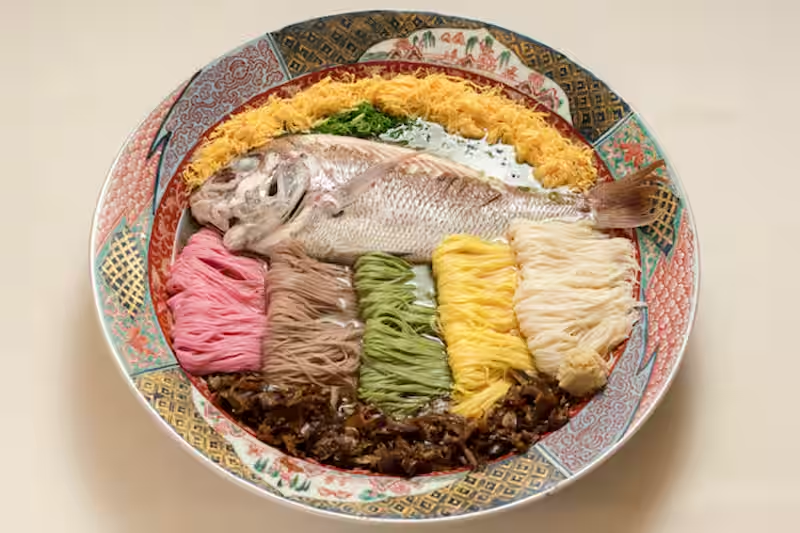
Taimen has been the main food at parties in the Uwajima area since the early days of the Edo period. It matters so much because of the ingredients’ meaning. The fish, tai, sounds like part of the word medetai. This means happy or lucky. So, the sea bream is Japan’s top symbol of good luck. Serving the whole fish means long-lasting joy and that your life is full. The long, thin sōmen noodles also stand for a long life.
This mix made Taimen a necessary food for major life parties. People served it at important times like weddings, parties for older people (like a 60th birthday), and big town events, such as when building a new house. Serving this stunning dish on large shared plates proves it is important local food meant for sharing. It unites families and neighbors during their most festive gatherings.
Where to Find Taimen in Uwajima
Wabisuke (わびすけ)
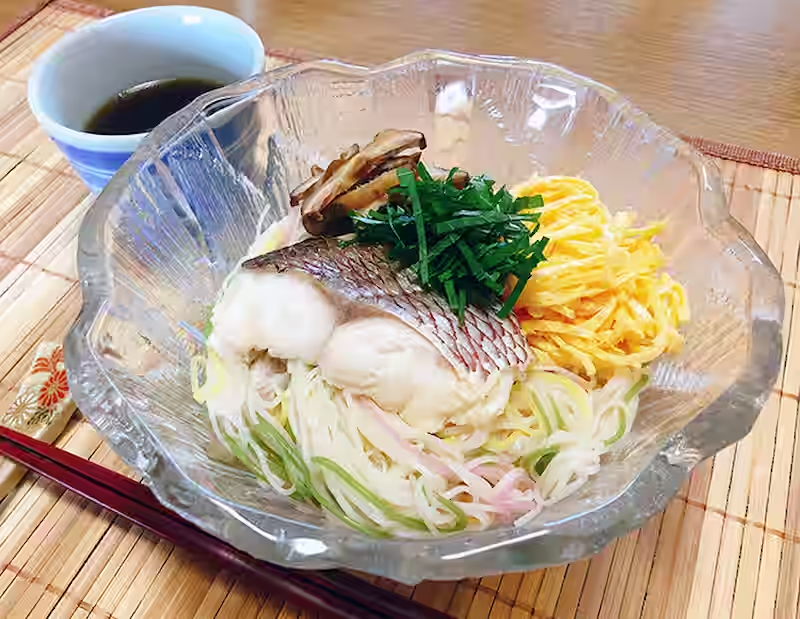
Taimen is usually for big feasts, but local shops make sure everyone can still try it. Wabisuke is a well-known place in Uwajima that serves local sea bream (tai) dishes. They offer food perfect for celebrations, including Taimen.
Address: 1-2-6 Ebisucho, Uwajima City, Ehime
Phone number: 0895-24-0028
Hours open: 11:00-21:30
Website: http://www.sk-wabisuke.com/
Conclusion
Taimen is a strong symbol of Ehime’s great food history. It mixes the local sea bream with old lucky customs. This dish was created for happiness, giving rich taste and a beautiful look to the biggest meals. The whole fish stands for the hope of good fortune and lasting joy.
If you like the rich, full flavors of this fish dish, you might also like other Japanese meals that use fish and noodles or cooked fish dishes, such such as Uwajima Taimeshi, Shinshūmushi, and Sakana no Nitsuke.






 English (US) ·