
 1 month ago
64
1 month ago
64
This site runs ads and generates income from affiliate links. Read my disclosure policy.
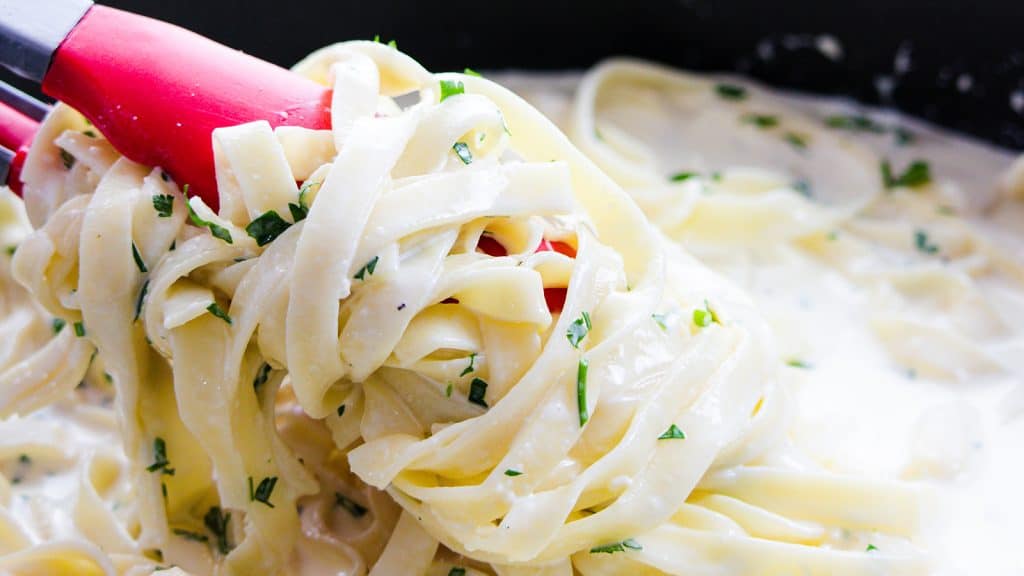 That glossy, sauce-clinging magic — the moment pasta becomes restaurant-level at home.
I didn’t really understand pasta until I went to culinary school.
Sure, I’d been cooking it for years — tossing spaghetti into boiling water, pouring on some sauce, calling it dinner. But one day in class, a chef instructor tossed a pan of linguine with such ease that it almost looked choreographed — a swirl, a flip, a shimmer of sauce clinging perfectly to every strand.
It was mesmerizing. I had to know what made it different.
And then, while watching that pasta transform in the pan, something hit me — a memory I hadn’t thought about in years.
It was my Italian grandmother, standing at her stove, turning last night’s spaghetti into something better than the first time she served it. She’d toss the pasta in a pan with a drizzle of olive oil, a little leftover sauce, and some pasta water she’d put aside — and it always tasted so much better than it did the first time we had it for dinner.
Back then, I didn’t realize she was doing what chefs do every single day.
She was finishing the pasta in the sauce.
Why Finishing Pasta in the Sauce Changes Everything
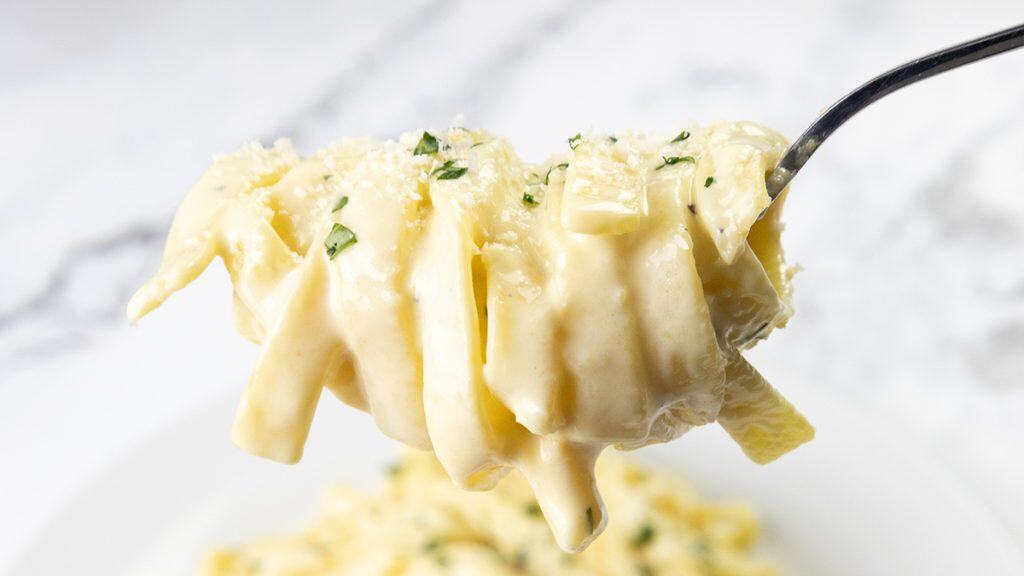
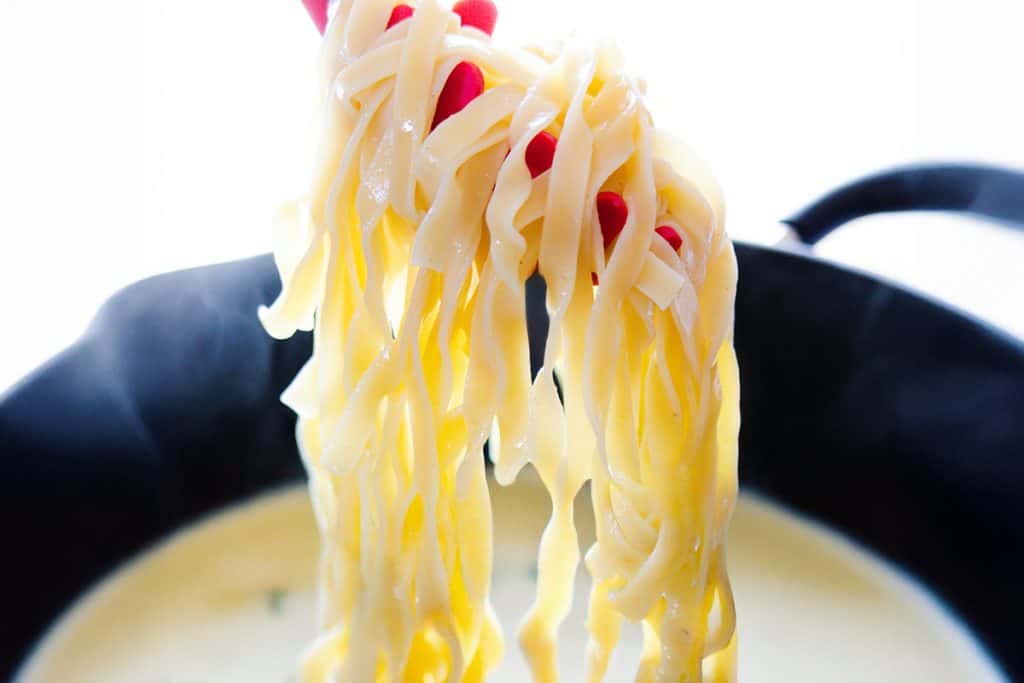 Fresh pasta meets the sauce — the secret to that glossy, restaurant-style finish.
Most of us cook pasta the same way — boil, drain, pour sauce on top, stir. It works fine, but it’s not how restaurant chefs (or Italian Grandmothers) do it.
When you move your pasta straight from the boiling water into the sauce pan, something special happens. The pasta keeps cooking in the sauce, soaking up its flavor while releasing starch. That starch acts like glue, binding everything together and transforming the sauce into something silky, glossy, and luxurious.
You’re not just combining two parts of a meal — you’re creating one cohesive, craveable dish.
You’ll see this same magic happen in classic recipes like Fettuccini Alfredo, Pasta alla Norma, where eggplant sauce clings to every noodle, or Spaghetti alla Puttanesca, where the briny tomato sauce wraps itself around each strand in perfect balance.
It’s that moment when the sauce clings perfectly, the pasta glistens, and the flavors taste deeper and more alive.
That’s the difference between homemade pasta and restaurant pasta.
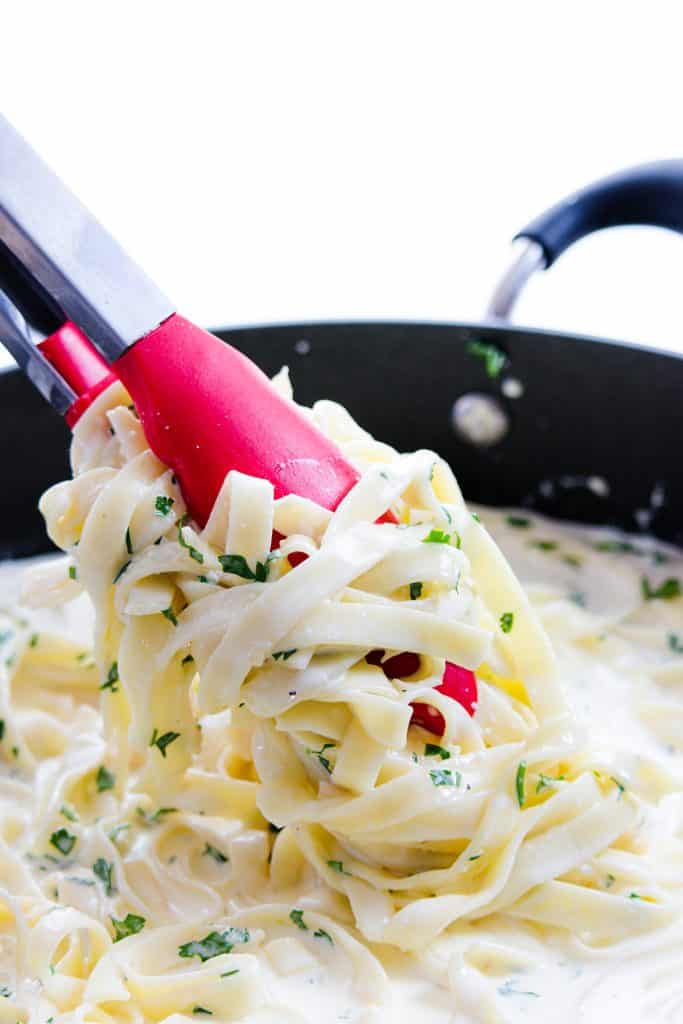
How to Do It
Cook your pasta just shy of al dente. Stop a minute before it’s done — it’ll finish in the pan.
Scoop, don’t drain. Use tongs to transfer pasta directly from the water to the sauce.
Add a splash of pasta water. That salty, starchy water helps emulsify the sauce and gives it that restaurant-style shine.
Toss, don’t stir. Keep the pasta moving in the pan so the sauce coats every strand evenly.
Finish with love. A knob of butter, a drizzle of olive oil, and a pinch of salt at the end make everything come alive.
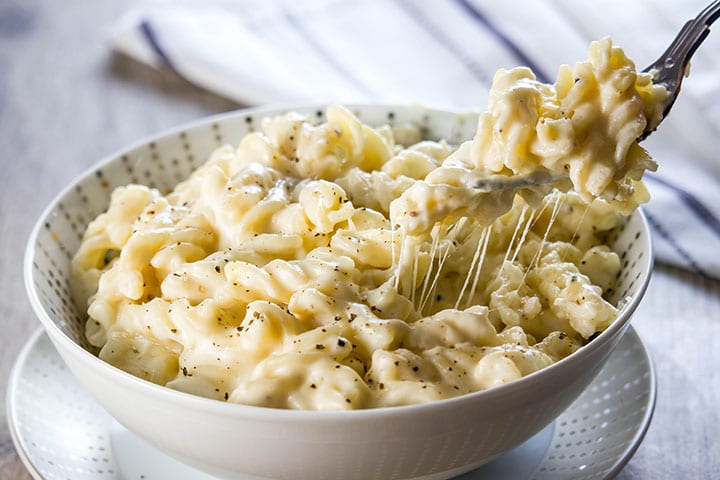
Once you master this, try it with a creamy sauce like Creamy Tagliatelle and Mushrooms or a rich, silky Spaghetti alla Carbonara. You’ll never look at “pasta and sauce” the same way again.
When you plate it, the sauce isn’t sitting on the noodles — it’s soaked into them, glossy and clinging like they were made for each other.
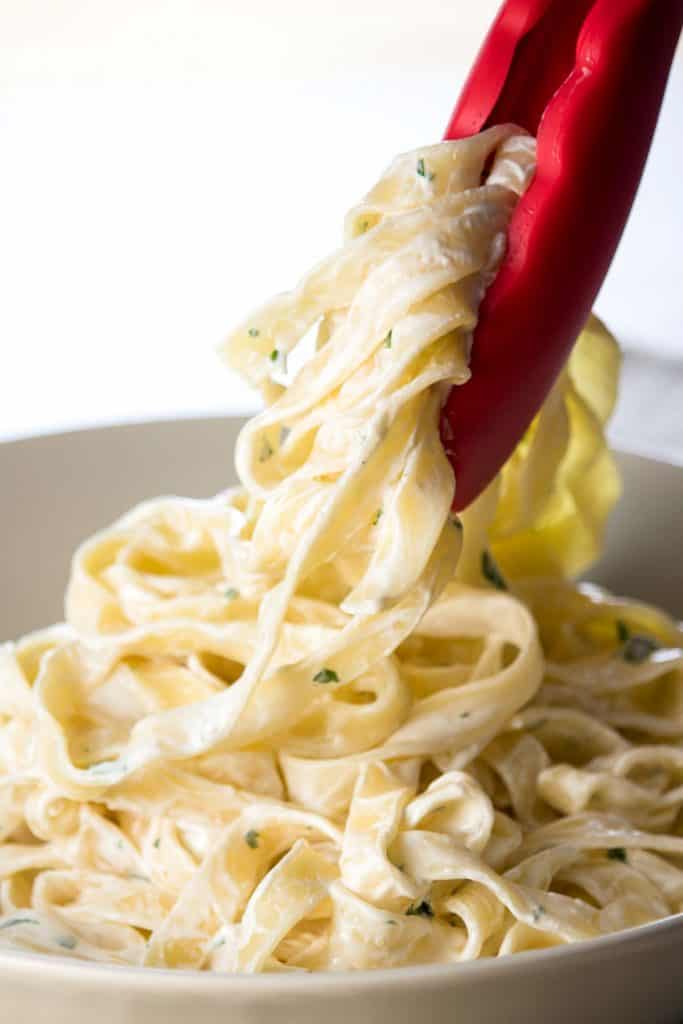
Extra Chef Tips (that Grandma Would Approve)
Finishing pasta in the sauce is the heart of it all, but these small moves make it even better:
Salt the water like the sea. It’s your first layer of flavor.
Never add oil to the water. It keeps the sauce from sticking later.
Always save pasta water. It’s your secret weapon for adjusting sauce texture.
Serve immediately. Pasta waits for no one — and it’s perfect right out of the pan.
Final Thoughts
That day in culinary school, watching that chef move with total instinct, I realized that the best pasta isn’t about fancy ingredients or precise timing — it’s about paying attention.
The swirl of the pan. The sound of the sauce bubbling. The shine that tells you it’s ready.
And I think about my grandmother every time I do it — no timer, no measurements, just intuition, heart, and a wooden spoon.
Because once you finish pasta in the sauce, you never go back.





 English (US) ·