
 1 month ago
57
1 month ago
57
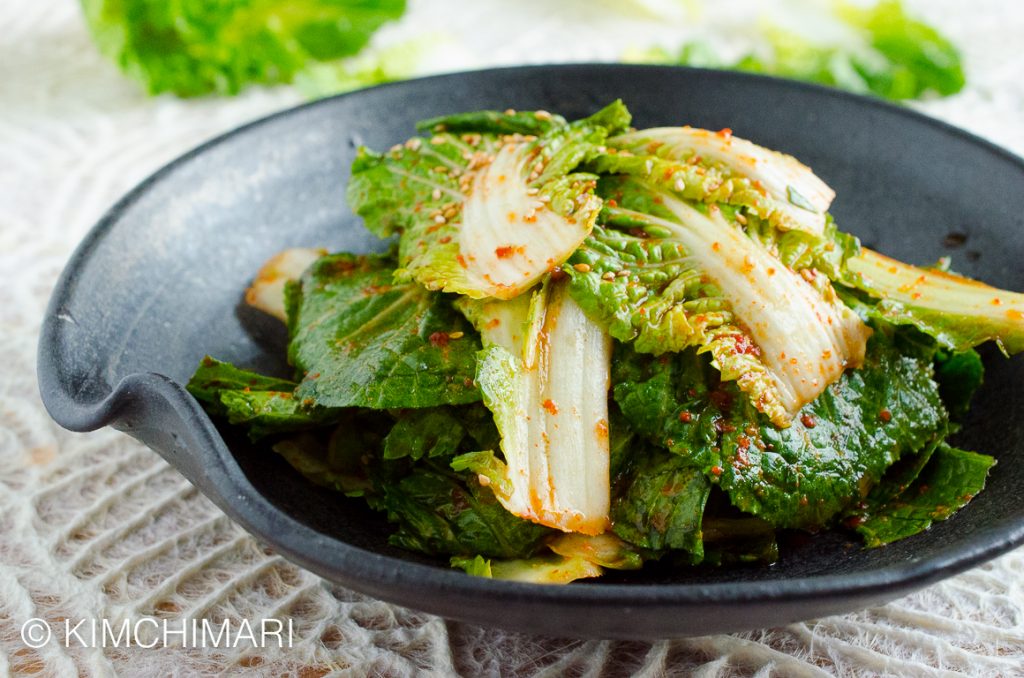 Kimchi Salad (Geotjeori) with Spring Cabbage (Bomdong)
Fresh Kimchi Salad with Spring Napa Cabbage is kimchi that you can make in minutes with no pickling and no need to wait for days for fermentation. Koreans call this type of fresh kimchi salad as Geotjeori (겉절이) which basically means pickling just the outside (geot 겉). In English, people call this Instant Kimchi, Fresh Kimchi, Kimchi Salad…I can’t decide what is the best name for it but what’s important is the fact that this is a Kimchi that can be made right before serving, just tossed with seasoning.
UPDATE March 2026: I’ve been making this geotjeori for years, but recently developed a new seasoning that’s so good I had to share. The key upgrades: a combination of anchovy (myeolchi aekjeot) AND sand lance fish sauce (kkanari aekjeot) for deeper, sweeter umami, plus maesil syrup which adds brightness and a hint of fruity aroma. If you like a more bolder and deeper flavor, try my new version!!
OK, so what is Bomdong(봄동) ? This spring cabbage is only available in the Spring = bom 봄 in Korea. There are different opinions as to whether this is a different variety of cabbage altogether or it is actually the same Korean napa cabbage that is used for Kimjang Kimchi and regular kimchi but is just grown differently.
Based on what I have read, the former seems to be true. Among Chinese or napa cabbage, there is a ‘heading cabbage’ (결구배추) type which produces the tightly packed and upright cabbage that we call napa cabbage. The ‘semi-heading cabbage’ (반결구배추) type spreads out flatl and bomdong is this type. Bomdong cabbage is smaller, flatter, juicier, more tender, maybe a little thicker but slightly sweeter than regular napa cabbage. It basically looks like a baby napa cabbage that has been totally flattened out and looks like a flower almost.. I also think the leaves are curlier than a regular napa.
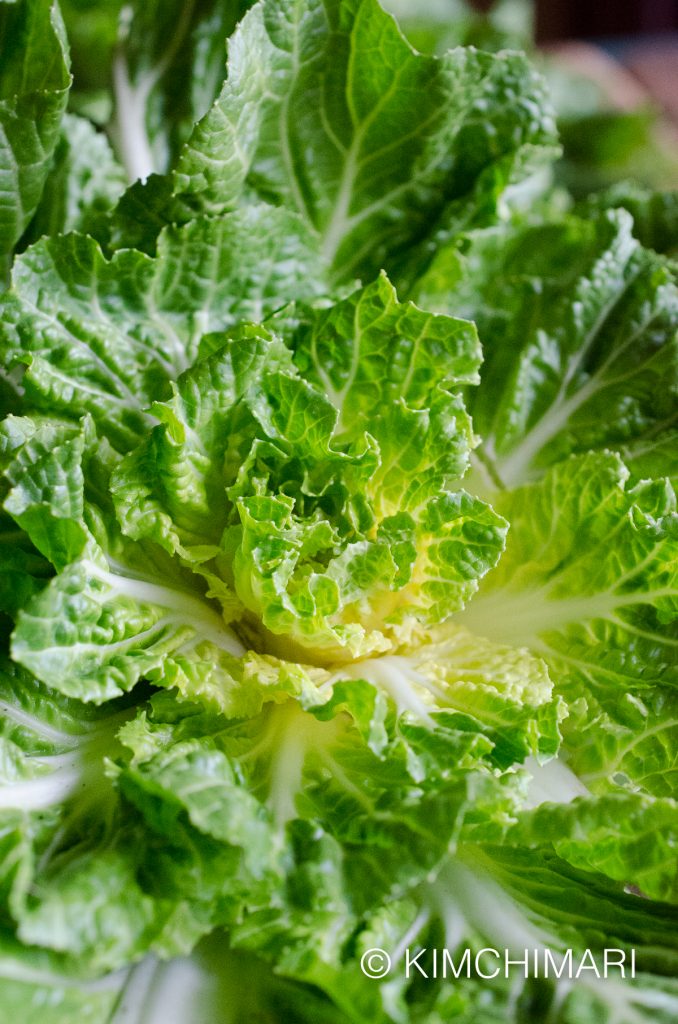 Bomdong – Korean Spring Cabbage
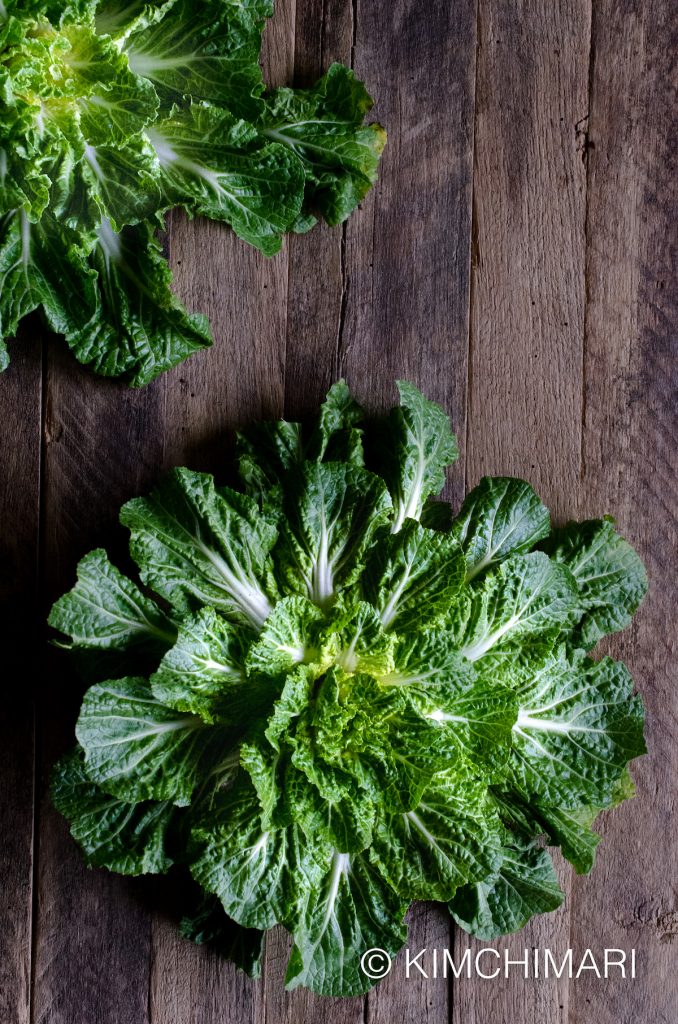 Korean Spring Semi-Heading Cabbage – Bomdong
This kind of cabbage was not available in Seoul when I was growing up but now they are available everywhere and I was very pleasantly surprised to find it in our local market in California!! If you can’t find it near where you live, you can just use the inner leaves of regular napa cabbage that is all white and it should work just fine.
Fresh Cabbage Kimchi Salad with Bomdong (Spring Cabbage)
Servings: 3-4 Cooking Time: 15 Difficulty: EASY
** UPDATED!!! NEW SEASONING recipe in the recipe card!! ***
Ingredients
- 1 Korean spring cabbage (bomdong) or small napa cabbage (9-10 oz/250-280g)
- Kimchi Salad or Geotjeori Seasoning version 1 (LIGHT REFRESHING taste)
- 1 Tbs + 1 tsp Korean chili powder (gochukaru)
- 2 tsp myeolchi aekjeot (anchovy sauce) or fish sauce
- 1 tsp garlic, chopped
- 1 tsp sugar
- 2 tsp rice vinegar
- 1 tsp guk ganjang (soy sauce for soup)
- 1 tsp sea salt
- large pinch of sesame seeds
- Gather bomdong cabbage leaves into your hand so bottom or root end is exposed.
 Bomdong Cabbage – cutting root end
Cut off bottom end so leaves will become loose.
 Korean Spring Cabbage leaves for kimchi salad and Spock guarding my cabbage! HAHA
 - If the cabbage looks wilted or limp, soak leaves in a bowl of water for few minutes to bring it back to life. If not, rinse leaves under running water to wash off soil and dust.
- Drain cabbage leaves in a colander.
- Make seasoning by mixing chili powder, anchovy sauce, sugar, vinegar, garlic, guk ganjang and salt.
- In a large bowl, tear large cabbage leaves into halves with your hands. You can cut it with a knife but I find this is easier to do and I love the rustic look this has.
Tearing cabbage for Fresh Kimchi Salad
- Add seasoning to cabbage pieces and toss lightly. Be careful not to handle too much because you don’t want the grassy taste of the cabbage to come out.
Ready to toss Fresh Spring Cabbage Kimchi Salad
- Serve immediately or optionally, leave the kimchi for about 15-20 minutes for the cabbage to absorb the seasoning a little bit. Turn leaves over 1-2 times during this time.
- Sprinkle sesame seeds on top before serving!
 Fresh Cabbage Kimchi Salad (Geotjeori)
Follow along on social for more Korean recipe inspiration!
Fresh Kimchi Salad - Bomdong Geotjeori
Fresh Kimchi Salad using Spring Napa cabbage or Bomdong Geotjeori in Korean. This dish does not require fermentation and can be eaten right away.
Prep: 15 minutes
Total Time: 15 minutes
serves: 6
Ingredients
- ▢ 250 g Korean spring cabbage (bomdong) (bomdong) or small napa cabbage (9-10 oz/250-280g)
- ▢ 1 Tbsp sesame seeds
Original Kimchi Seasoning
- ▢ 4 tsp Korean chili powder (gochukaru)
- ▢ 2 tsp myeolchi aekjeot (anchovy sauce) or fish sauce
- ▢ 1 tsp garlic , chopped
- ▢ 1 tsp sugar
- ▢ 2 tsp rice vinegar
- ▢ 1 tsp guk ganjang (soy sauce for soup)
- ▢ 1 tsp Sea Salt (Trader Joe's)
New Seasoning (Updated 2026)
- ▢ 2 tbsp gochugaru (Korean red chili pepper)
- ▢ 1 1/3 tbsp anchovy fish sauce (myeolchi aekjeot)
- ▢ 1 tsp sand lance fish sauce (kkanari aekjeot)
- ▢ 1 tbsp rice vinegar
- ▢ 1 tbsp green plum syrup (maesil syrup)
- ▢ 1 tsp sugar
- ▢ 1 tbsp minced garlic or a little more
- ▢ 2 tsp sesame oil
- ▢ 1 tsp sesame seeds
- ▢ 1 tbsp chives, chopped or cut a small handful into 1.5 inch lengths
Instructions
Gather bomdong cabbage leaves into your hand so the bottom or root end is exposed.
Cut off bottom and leaves will become loose.
If the cabbage looks wilted or limp, soak leaves in a bowl of water for few minutes to bring it back to life. If not, rinse leaves under running water to wash off soil and dust.
Drain cabbage leaves in a colander.
Make seasoning by mixing chili powder, anchovy sauce, sugar, vinegar, garlic, guk ganjang and salt.
In a large bowl, tear any large cabbage leaves into halves with your hands. Use the smaller leaves as they are. You can also use a knife but I find tearing is easier to do. I also love the rustic look this has.
Add seasoning to cabbage pieces and toss lightly. Be careful not to handle too much to avoid any grassy taste in your kimchi. Serve immediately or optionally, leave the kimchi for about 15-20 minutes for the cabbage to absorb the seasoning a little bit. Turn leaves over 1-2 times during this time.
Sprinkle sesame seeds on top before serving!
Tips & Notes:
** A typical bomdong cabbage weighs around 1.5lbs (700g) or more. The recipe here assumes about 250g big cabbage. Please remember to adjust the seasoning recipe to match the size of your cabbage. ***
The new seasoning is more pungent, layered, and deeply Korean in flavor. The sand lance fish sauce is lighter and slightly sweeter than anchovy sauce alone — using both together creates a more complex depth. Maesil syrup balances the saltiness with a subtle fruity brightness. Adjust gochugaru to your spice preference.
- Leftover kimchi salad can be stored in fridge for several days.
- Add a splash of maesil chung (green plum syrup) or some more sugar if you like a sweeter taste.
- Add green onions or chives for added flavor.
** The nutrition facts are for the original seasoning. Please calculate your own nutrition for the newly updated seasoning recipe.
Nutrition Information:
Calories: 41kcal (2%)| Carbohydrates: 6g (2%)| Protein: 2g (4%)| Fat: 1g (2%)| Sodium: 450mg (20%)| Potassium: 390mg (11%)| Fiber: 2g (8%)| Sugar: 2g (2%)| Vitamin A: 870IU (17%)| Vitamin C: 40.7mg (49%)| Calcium: 135mg (14%)| Iron: 0.9mg (5%)
Course:Salad, Vegetables
Cuisine:Korean
Keyword:easy, quick, spring
KoreanCategory:Kimchi (김치)
Did You Make This?I love seeing what you’ve made! Tag me on Instagram at @Kimchimari or #kimchimari and don’t forget to leave a comment & rating below!
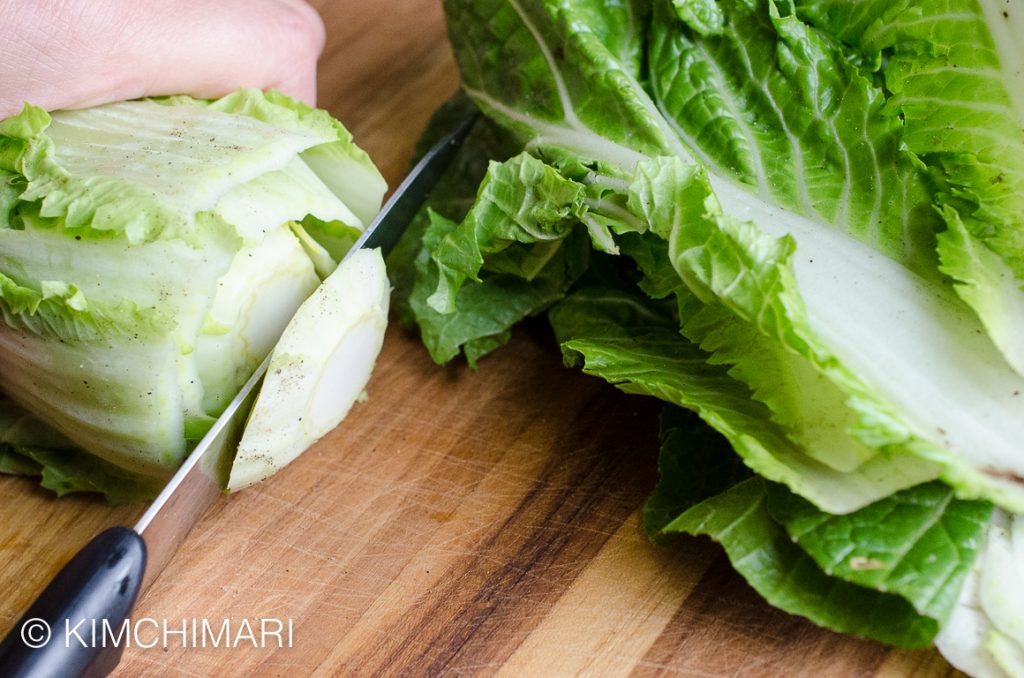 Bomdong Cabbage – cutting root end
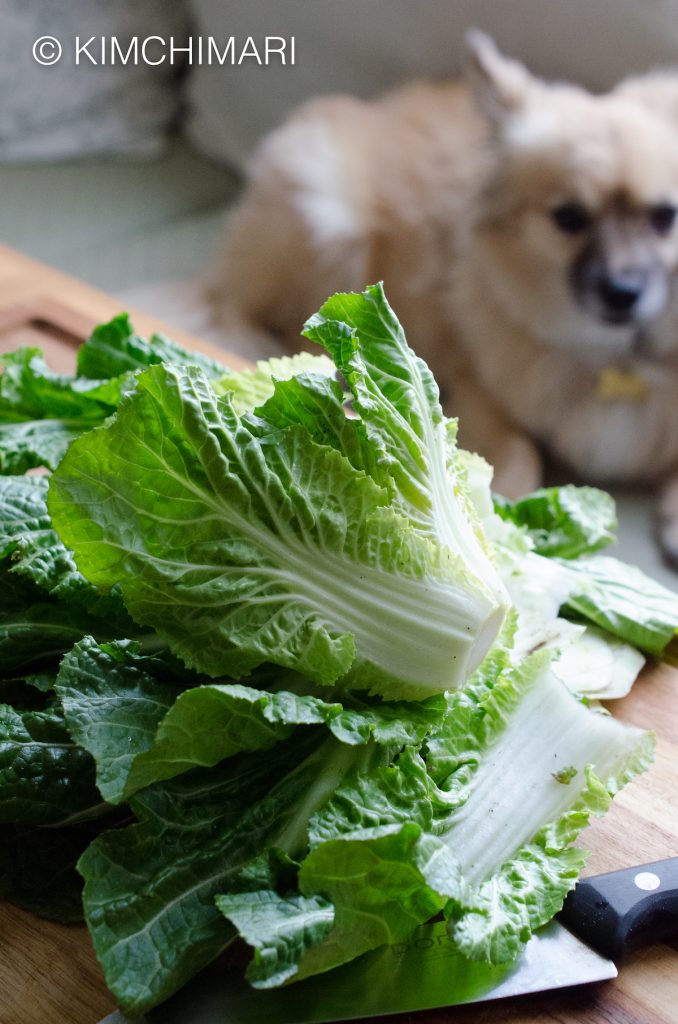 Korean Spring Cabbage leaves for kimchi salad and Spock guarding my cabbage! HAHA
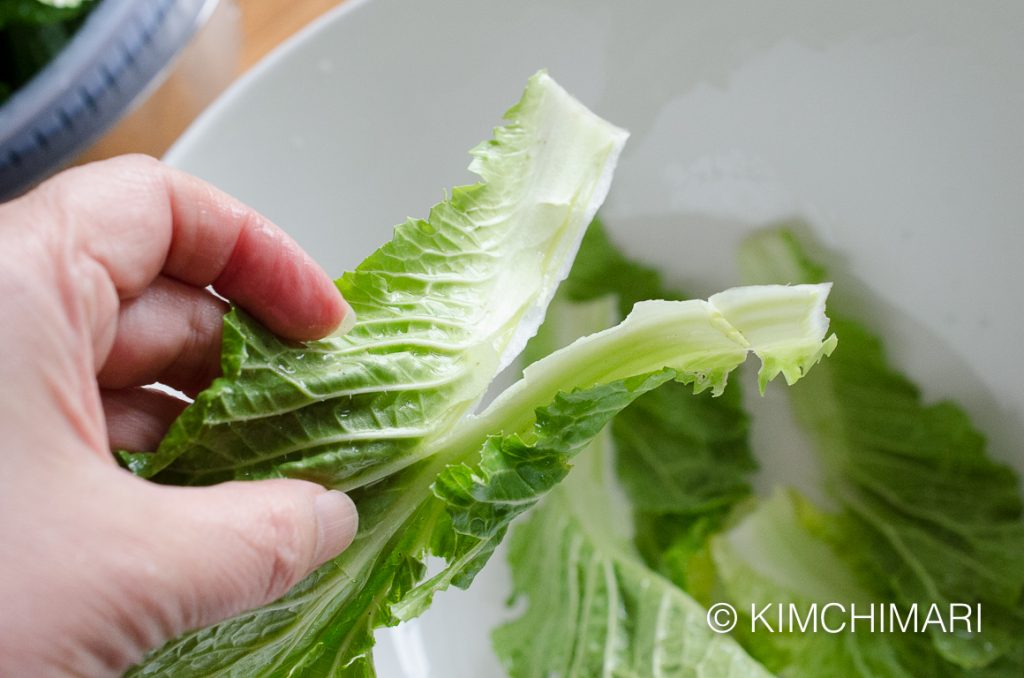 Tearing cabbage for Fresh Kimchi Salad
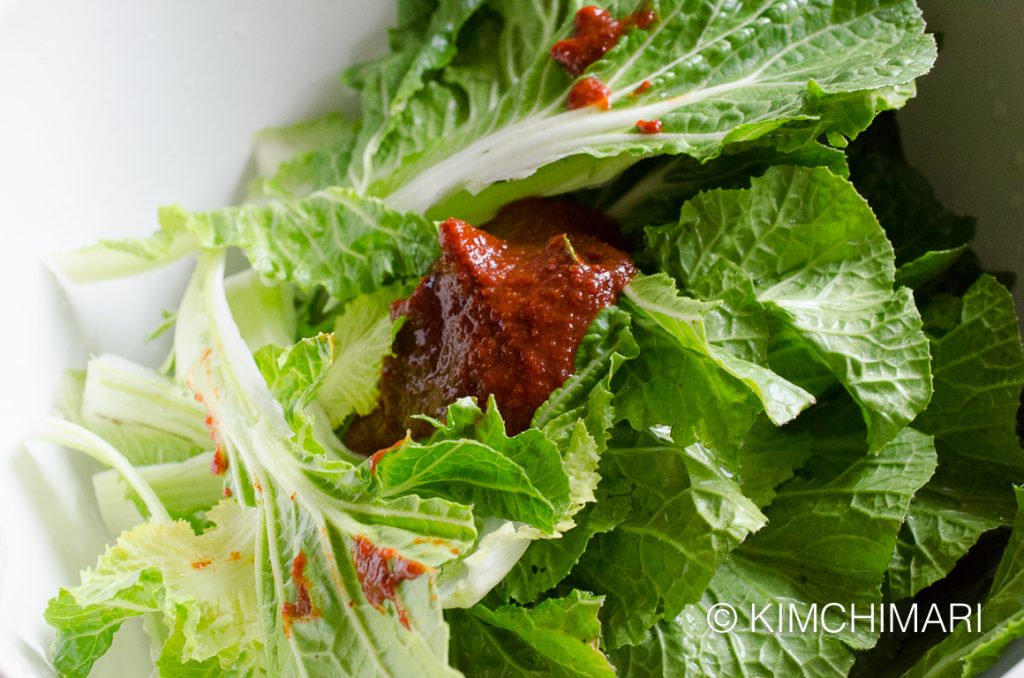 Ready to toss Fresh Spring Cabbage Kimchi Salad
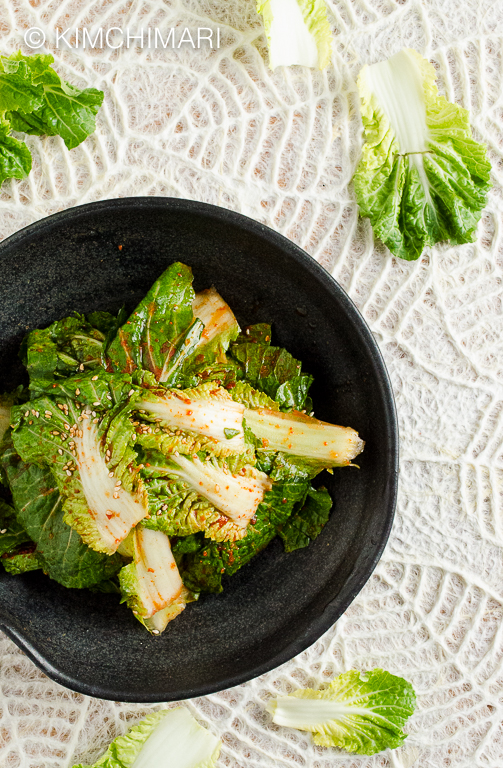 Fresh Cabbage Kimchi Salad (Geotjeori)
Notes
- Store leftover Fresh Kimchi Salad or Geotjeori in the fridge – it will slowly ferment but still should taste fresh for few days after.
- Some people add rice paste to make sure there’s no ‘grassy’ taste. It is up to you. Add about 1 Tbs of rice paste.
- Add swirl of Green Plum syrup (maesil chung) or a little more sugar to make it sweeter.
Happy early Spring!! 🌿
XOXO, ❤️
JinJoo








 English (US) ·