
 4 weeks ago
38
4 weeks ago
38
1 hour 20 minutes

Recipe Highlights
I’ve been making gyoza (餃子) since middle school—it’s one of the dishes my mom and I prepared together, folding dumplings side by side while talking about life. Those memories are part of why I love sharing this Gyoza Recipe. Here, I walk you through the filling ingredients, the folding instructions, and the pan-fry technique that gives Japanese potstickers their signature crispy bottom and juicy inside.
Here’s why I keep coming back to this recipe:
- Crispy on the bottom, juicy inside
- Step-by-step folding instructions with photos and video
- Fun to make as a family—throw a gyoza-folding party!
If you love Chinese-style Japanese food, try my Mapo Tofu, Miso Ramen, and Yakisoba recipes next!
Table of Contents
What are Gyoza?
Gyoza (餃子) are the Japanese take on Chinese dumplings called jiaozi. When World War II ended and Japanese settlers returned from Manchuria, they brought back a love of northern Chinese cuisine—and gyoza, a word derived from a northern Mandarin dialect, quickly took root in Japanese home cooking. Today, you’ll find them everywhere in Japan, from specialty shops to grocery stores and home kitchens.
Ingredients for Gyoza Recipe
- gyoza wrappers – store-bought (Japanese brand recommended) or use homemade dough; see How to Make Gyoza Wrappers
- ground pork
- green cabbage
- shiitake mushrooms
- salt
- green onions/scallions
- garlic
- ginger
- sake (optional), toasted sesame oil, soy sauce, ground black pepper
- neutral oil, toasted sesame oil, water – for cooking
- dipping sauce – soy sauce, rice vinegar (unseasoned), la-yu (Japanese chili oil)
Find the printable recipe with measurements below.
Jump to RecipeHow to Make my Gyoza Recipe
- Prepare the filling ingredients. Finely chop the cabbage and rub with salt. Mince the green onions, shiitake, garlic, and ginger, then add to a large bowl with the pork and seasonings.
- Knead the mixture. Mix with your hand until sticky and pale. Squeeze the liquid from the cabbage, add to the bowl, and knead until combined.
- Fill the wrappers. Place 1 level tablespoon of filling in the center of a wrapper. Moisten the wrapper’s edge with water, fold in half, and pinch the top center.
- Fold. Fold 3–4 pleats toward the center on each side, press firmly to seal, and flatten the bottom. Place on a parchment paper–lined baking sheet, cover with plastic wrap, and cook or freeze right away.
- Cook and serve. Arrange flat side down in a pan over medium heat and cook until the bottom of the gyoza turns golden brown. Add water, cover with a lid, and steam. Uncover, drizzle sesame oil, and cook until crisp. Serve with dipping sauce.


Nami’s Recipe Tips
These simple tips will help you make this Gyoza Recipe perfectly every time.
- Balance your meat-to-cabbage ratio – I like a 1:1 to 1:1.5 ratio of pork to cabbage for the best taste and juiciness. Traditional Japanese gyoza use 1:2.
- Draw out the cabbage moisture – Salting the cabbage and squeezing out the water is essential. Skip this step and your wrappers will turn soggy.
- Knead until sticky and pale – This binds the meat proteins for a springier, smoother filling. Use your hands, not a spoon.
- Don’t overfill – One level tablespoon per gyoza is the right amount. Too much filling and the wrapper won’t seal.

- Keep wrappers covered – The edges dry out fast, so keep the stack under a damp cloth or paper towel the whole time you’re folding.
- Cook or freeze right away – Filling is moist, so cook or freeze immediately before the wrappers soften.

Variations
Here are a few easy ways to make this recipe your own.
- Add garlic chives. Stir in minced nira (garlic chives) for a pungent kick—a classic addition my mom always made.
- Swap the protein. Ground beef, turkey, chicken, or lamb all work in place of pork.
- Make it vegan. Use a mix of firm tofu, mushrooms, and vegetables. My Vegetable Gyoza recipe shows you how.
- Make miso dipping sauce. Mix in miso and sugar for a rich flavor.
- Try a different fold. For pleats to one side, see my How to Fold Gyoza post.

What to Serve with Gyoza
Here are my favorite pairings:
- Spicy Shoyu Ramen – Serve with gyoza as a set meal; the rich broth and crispy gyoza balance each other.
- Karaage (Japanese Fried Chicken) – A classic izakaya pairing—both are crispy and satisfying.
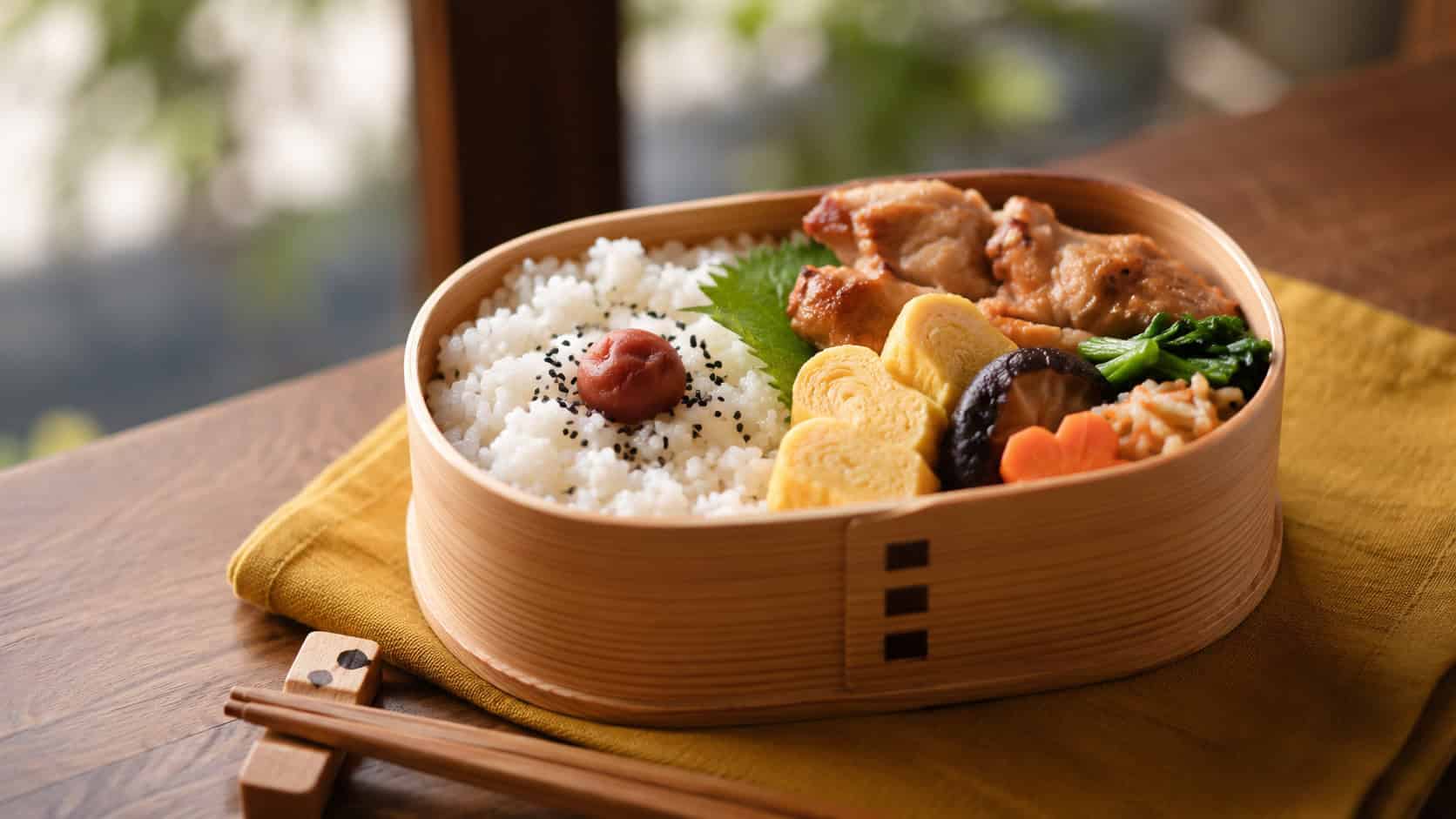
- Gyoza Bento – Gyoza hold up well at room temperature, making a natural fit for a boxed lunch.


Storage Tips
To store uncooked: Flash-freeze on a baking sheet, then transfer to an airtight bag and freeze for up to 1 month. Cook directly from frozen, adding 1–2 extra minutes of steaming.
To store cooked: Cool completely, then refrigerate in an airtight container for up to 3 days or freeze for up to 1 month.
FAQs
Can I make gyoza ahead of time?
Yes—folding ahead is my go-to for meal prep. Flash-freeze freshly folded gyoza on a baking sheet, then pack into a freezer bag for up to a month. Cook straight from frozen using the regular method, adding 1–2 extra minutes of steaming.
Why is my gyoza filling watery?
The most common cause is skipping the cabbage-salting step. Salt draws out a surprising amount of liquid—squeeze the cabbage firmly before adding it to the pork mixture. Also avoid letting folded gyoza sit too long; cook or freeze them right away.
I’d love to hear how yours turned out! 💛 Please leave a star rating and comment below to share your experience. Your feedback not only supports Just One Cookbook but also helps other home cooks discover recipes they can trust.
Gyoza (Japanese Potstickers)
Prep: 1 hour
Cook: 20 minutes
Total: 1 hour 20 minutes
For Folding
- 1 package gyoza wrappers (52 sheets per package (10 oz, 284 g); you can make homemade Gyoza Wrappers)
- water (to seal the wrappers)
Gather all the ingredients.

To Make the Filling
Cut the thick core from ¾ lb green cabbage and cut the leaves into ⅓-inch (1 cm) strips.

Finely chop crosswise. Pay extra attention to the thick white ribs—mince them until very fine.

Sprinkle with 1 tsp Diamond Crystal kosher salt and rub it in with your hands. Transfer to a bowl and let sit until wilted.
Nami's Tip: Salting draws out the moisture so the wrappers don't get soggy. Alternatively, you can blanch or microwave the thick, hard leaves until soft, or skip wilting altogether.

Mince 2 green onions/scallions into small pieces. Cut off the stems from 2 shiitake mushrooms, thinly slice the caps, then mince the slices into small pieces. Grate the ginger with a ceramic grater and add 1 tsp ginger (grated, with juice) to a small plate. Mince or press 2 cloves garlic (I use a garlic press) and add to the plate.

Add ½ lb ground pork, the green onions, and the shiitake mushrooms to a large bowl. Add 2 tsp sake, 2 tsp toasted sesame oil, 2 tsp soy sauce, ⅛ tsp freshly ground black pepper, the ginger, and the garlic. Put on plastic disposable gloves if preferred, then knead the mixture until sticky and pale.
Nami's Tip: Kneading binds the meat proteins so the texture is springy and smooth.

Squeeze the water from the salted cabbage and add to the pork mixture. Knead the filling until the cabbage is fully incorporated and the mixture is uniform.

To Fill
Prepare a small bowl of water and a baking sheet lined with parchment paper or dusted with 2 Tbsp potato starch (or cornstarch). Open 1 package gyoza wrappers and cover them with a damp towel or plastic wrap at all times.
Nami's Tip: The gyoza skin edges dry out quickly. Covering with a damp kitchen cloth or paper towel keeps them moist and easy to use.

Hold one wrapper in the palm of your non-dominant hand (left hand for me). Measure 1 level Tbsp (or a scant ¾ Tbsp for beginners) of filling with a small cookie scoop. Place the filling in the center of the wrapper and flatten it with the scooper bowl to press out any trapped air. Dip one finger in water and use it to moisten a circle on the wrapper's outer ¼ inch (6 mm).
Nami's Tip: Do not overstuff the gyoza or the filling will squeeze out and make folding difficult.

To Fold
Fold the wrapper in half over the filling. Pinch the two sides together at the top center, but don’t seal it yet.
Right side: Starting to the right of top center, fold a pleat leaning toward the center into the top half of the wrapper using your right thumb and index finger. Tightly press the folded pleat against the back half of the wrapper using your left thumb and index finger. Fold 2–3 more pleats on the right side ¼ inch (6 mm) apart. Press to seal any gaps.
Nami's Tip: These steps show pleats leaning toward the center. For pleats leaning to one side, see my How to Fold Gyoza post.

Left side: To the left of top center, fold a pleat leaning toward the center into the top half of the wrapper using your left thumb and index finger. Tightly press the folded pleat against the back half of the wrapper using your right thumb and index finger. Fold 2–3 more pleats along the left side every ¼ inch (6 mm).

Press one last time to seal any gaps and secure the pleats. Evenly distribute the filling and make the bottom flat so the gyoza sits upright. Place on the baking sheet and cover with plastic wrap to avoid drying. Fold the remaining gyoza. Cook or freeze the folded dumplings right away before the filling releases moisture and makes the wrappers soggy.
Nami's Tip: To freeze uncooked gyoza to cook later, jump ahead to my instructions below.

To Cook the Fresh Gyoza
Heat a large nonstick or carbon steel frying pan over medium heat. When hot, add 1 Tbsp neutral oil. Dust off any potato starch from the gyoza bottoms with a pastry brush.
Nami's Tip: I use an 11" carbon steel pan.

Place the gyoza in the pan, flat side down in a single layer in a circular pattern. Leave space between each piece so they don‘t touch. Cook about 3 minutes, until the bottoms are golden brown and release cleanly from the pan.
Nami's Tip: Cook the gyoza in batches or use two frying pans. You can also arrange them in one or two rows if preferred, leaving space between each piece.

Add 4 Tbsp water to the pan and immediately cover with a lid. Steam for about 3 minutes, until most of the water evaporates.
Nami's Tip: Steam frozen gyoza an extra 1–2 minutes.

Remove the lid and cook until the water fully evaporates, about 1 minute. Drizzle 1 tsp toasted sesame oil around the gyoza and cook, uncovered, until the bottoms are deep golden and crisp.

To Serve
Transfer to a plate and serve with a side of dipping sauce. For each serving, mix 1 Tbsp rice vinegar, 1 Tbsp soy sauce, and optional ⅛ tsp la-yu in an individual sauce plate or bowl.

To Freeze Uncooked Gyoza (optional)
Lay uncooked gyoza in a single layer without touching on a sheet pan or plate. Cover with plastic wrap or a large resealable bag, place in the freezer, and flash freeze until solid (or at least frozen on the outside).

Pack the frozen gyoza in an airtight freezer bag and store in the freezer for up to a month. When ready to cook, place the frozen gyoza directly in your hot frying pan. Follow the regular cooking instructions below and steam them for an extra 1–2 minutes.
Nami's Tip: Because you flash froze the gyoza, they won’t stick to each other in the bag.

To Store Cooked Gyoza
Cool leftover cooked gyoza, transfer to an airtight container, and store in the refrigerator for up to 3 days or in the freezer for up to a month.
Shape leftover filling into mini meatballs or patties and pan-fry until cooked through. Cool, pack in an airtight container, and store in the fridge for up to 3 days or in the freezer for up to a month.
Fill leftover wrappers with sliced cheese, fold and press to seal, and pan-fry until golden on both sides. They are a favorite with kids!

Variations and Customizations
- Add garlic chives. Stir in minced nira (garlic chives) for a pungent kick—a classic addition my mom always made.
- Swap the protein. Ground beef, turkey, chicken, or lamb all work in place of pork.
- Make it vegan. Use a mix of firm tofu, mushrooms, and vegetables. My Vegetable Gyoza recipe shows you how.
- Make miso dipping sauce. Mix in miso and sugar for a rich flavor.
- Try a different fold. For pleats to one side, see my How to Fold Gyoza post.
Calories: 32kcal, Carbohydrates: 4g, Protein: 1g, Fat: 1g, Saturated Fat: 0.4g, Polyunsaturated Fat: 0.2g, Monounsaturated Fat: 1g, Trans Fat: 0.001g, Cholesterol: 4mg, Sodium: 42mg, Potassium: 27mg, Fiber: 0.2g, Sugar: 0.2g, Vitamin A: 11IU, Vitamin C: 3mg, Calcium: 4mg, Iron: 0.1mg
Did you make this recipe?
Tag @justonecookbook on Instagram so we can see your delicious creation!
Editor’s Note: The post was originally published on Feb 9, 2011. It was updated on April 13, 2024, with a slightly revised recipe and new photography, and most recently republished on May 10, 2026, with additional tips and information.



![STOP SCROLLING❗️ Korean FIRE Cheese Buldak Recipe you will use OVER & OVER [Spicy Chicken] 치즈 불닭](https://i.ytimg.com/vi/io1dzjTdt5s/maxresdefault.jpg)


 English (US) ·