
 1 month ago
52
1 month ago
52
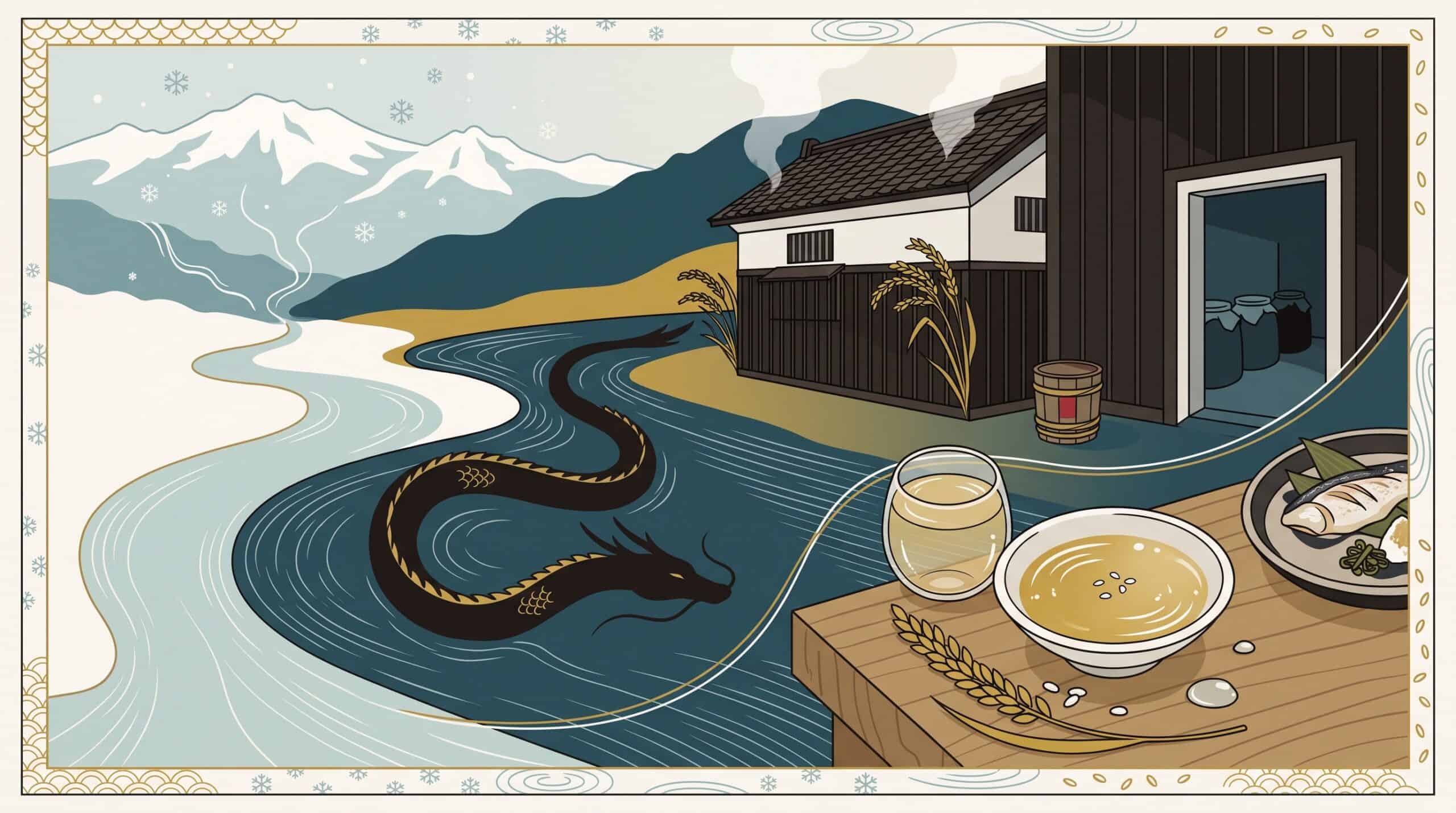
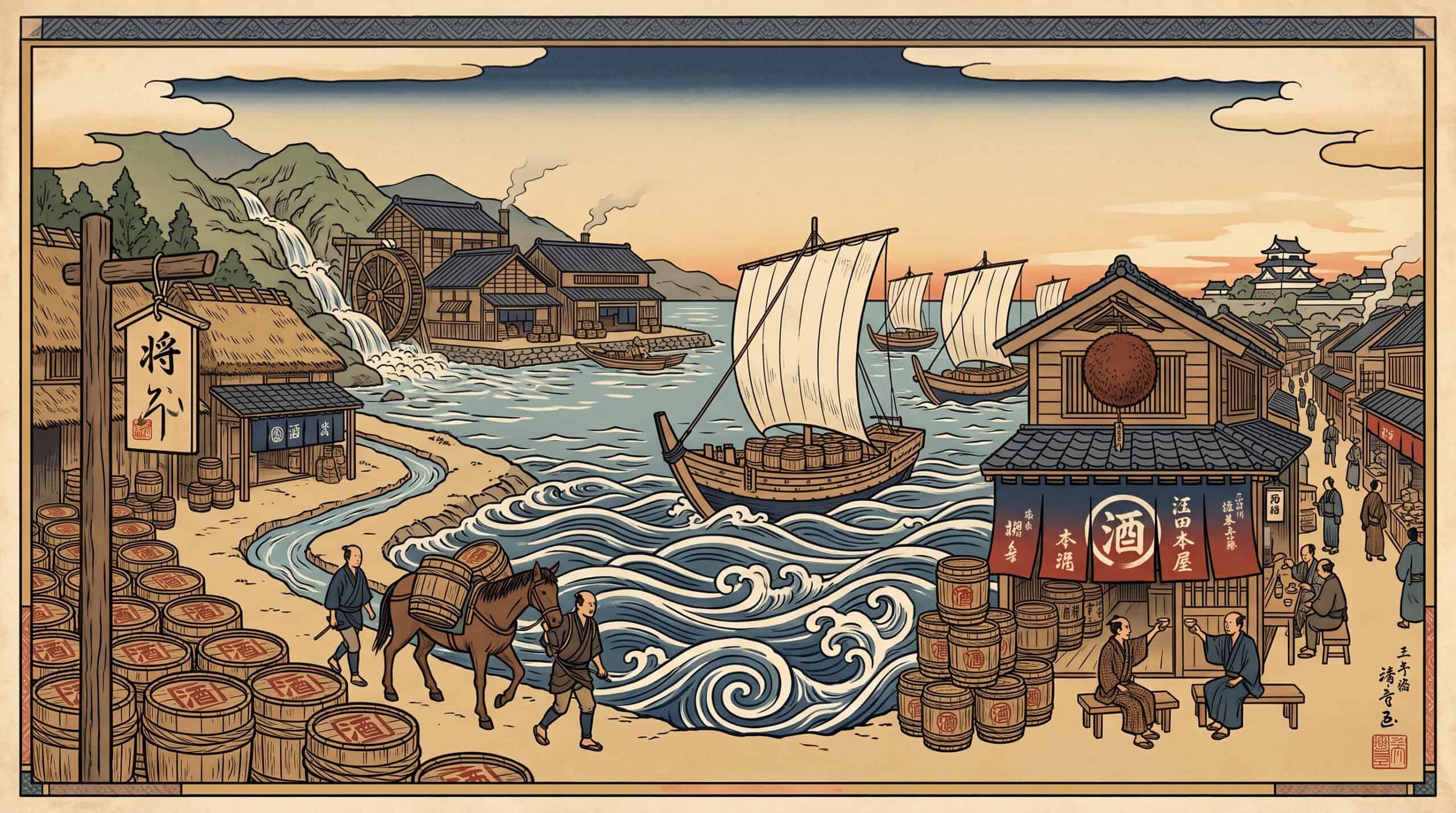
Hi-ochi (火落ち) is the bacterial spoilage of sake. It strikes after brewing finishes, and a small group of ethanol-tolerant lactic acid bacteria causes it. Sake is a hostile place for microbes, so the fact that anything spoils it at all still comes as a surprise. The term is not a polite way of saying that sake has gone off. Instead it names a specific microbiological event, and much of sake pasteurization makes sense only once hi-ochi is understood. This guide covers the bacteria involved, what they do to the liquid, how heating and storage keep them in check, and how the whole problem shaped Japanese brewing. TOCQuick Facts Illustration of Hi-ochi bacterial spoilage in sake highlighting causes and signs. Japanese火落ちRomanizationHi-ochi, also written hiochiEnglishBacterial spoilage, or bacterial contaminationMain causeEthanol-tolerant lactic acid bacteria, called hiochi bacteriaMain signsRising acidity, off-aromas, sometimes cloudinessRelated processHi-ire, the heat treatment used to stabilise sakeNot the same asHine-ka, oxidation, light damage or deliberate ageingFood safetyDiscussed as a quality defect rather than as a foodborne hazard The Japan Sake and Shochu Makers Association d...
Related
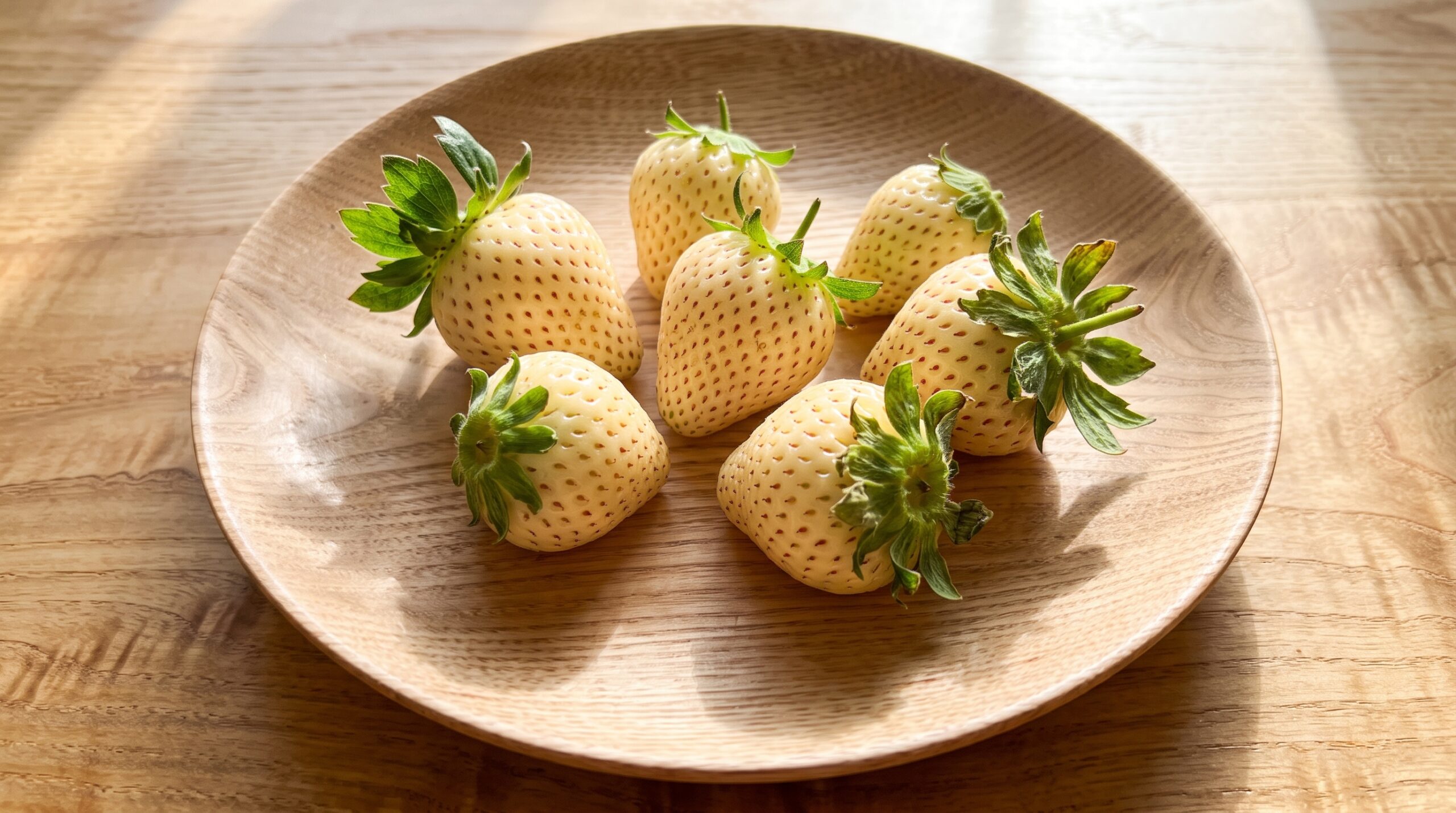
Milky Berry (ミルキーベリー)
2 hours ago
0
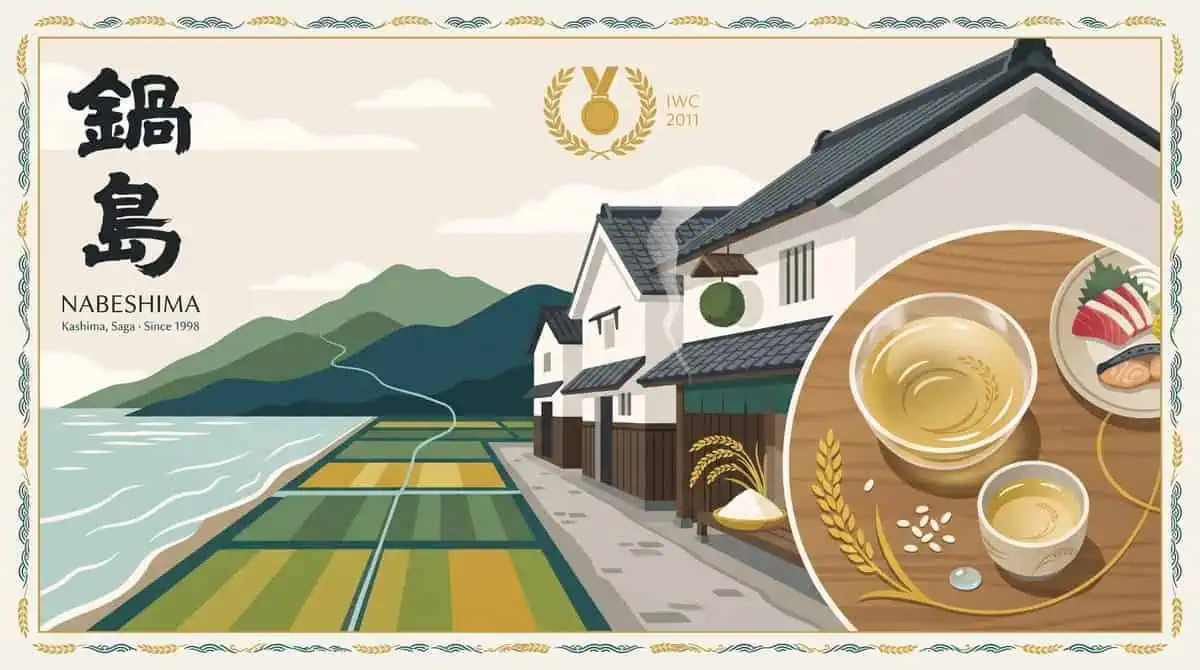
Nabeshima Sake: Saga’s Award-Winning Japanese Sake Brand
8 hours ago
6
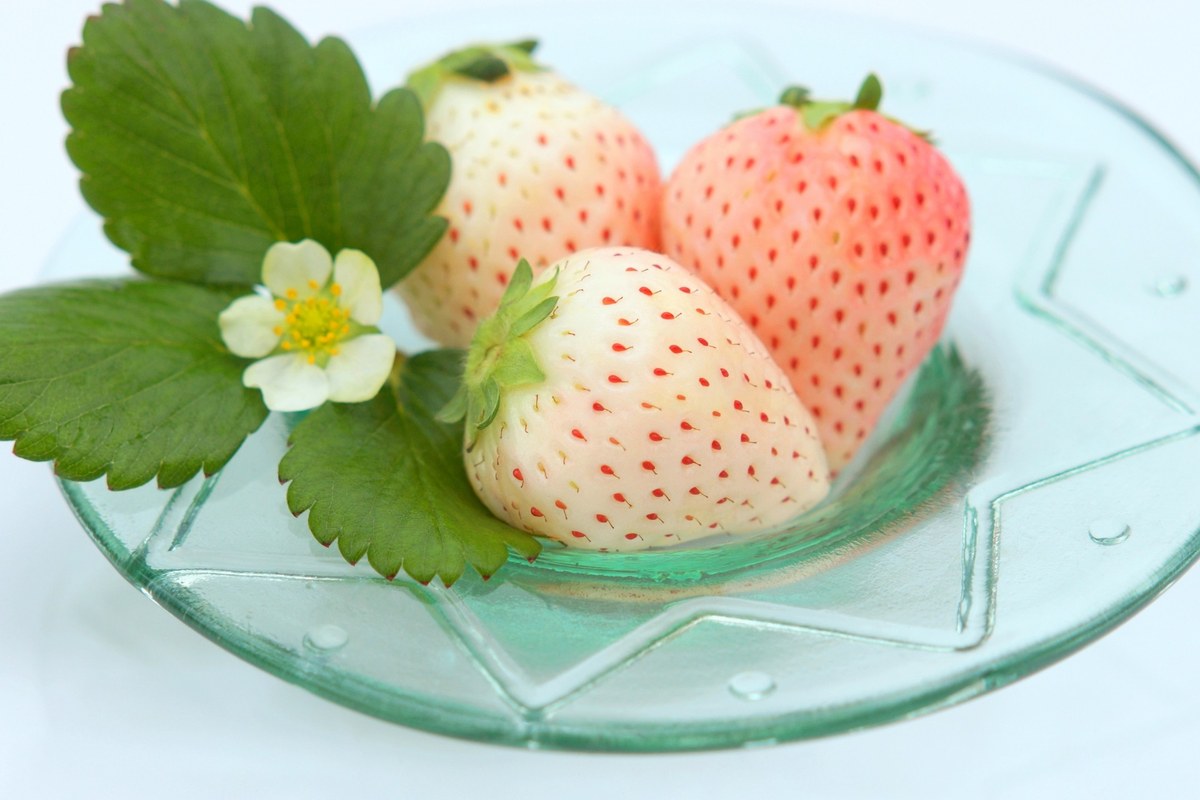
Hatsukoi no Kaori (初恋の香り)
16 hours ago
7
Popular

끓일 필요 없어요! 세상 간단한 대추차 만들기
3 weeks ago
68
Cottage Cheese Pancakes
3 weeks ago
67
Chicken and Dumpling Soup
3 weeks ago
66

Hoya (ほや)
3 weeks ago
63
 English (US) ·
 © Daily Food 2026. All rights are reserved
