
 57 minutes ago
1
57 minutes ago
1
Kan-zukuri is the traditional practice of brewing sake during the coldest months of the year. The cold does real work here. Low temperatures slow fermentation, keep it stable, and hold unwanted microbes in check. For centuries, this made winter the natural season for sake. The word joins two ideas, kan (the cold) and zukuri (making). So kan-zukuri simply means brewing in the cold. Yet that plain name hides a deep logic. Sake is a living process, driven by yeast and koji mold, and both behave better when the air stays cold and clean. This guide explains why winter shaped sake so completely. We look at the science of cold fermentation, the history behind the tradition, and the yearly rhythm of a working brewery. We also ask a harder question. In an age of refrigeration and warming winters, does kan-zukuri still matter? The answer turns out to be layered, and a little surprising. If you have ever wondered why sake brewing follows the calendar so strictly, this is the place to start. Winter brewing is not a quaint custom. It is a piece of applied biology, refined over hundreds of years. TOCQuick Facts About Kan-zukuri Here is a short snapshot before the details begin. Use it as a quick...
Related
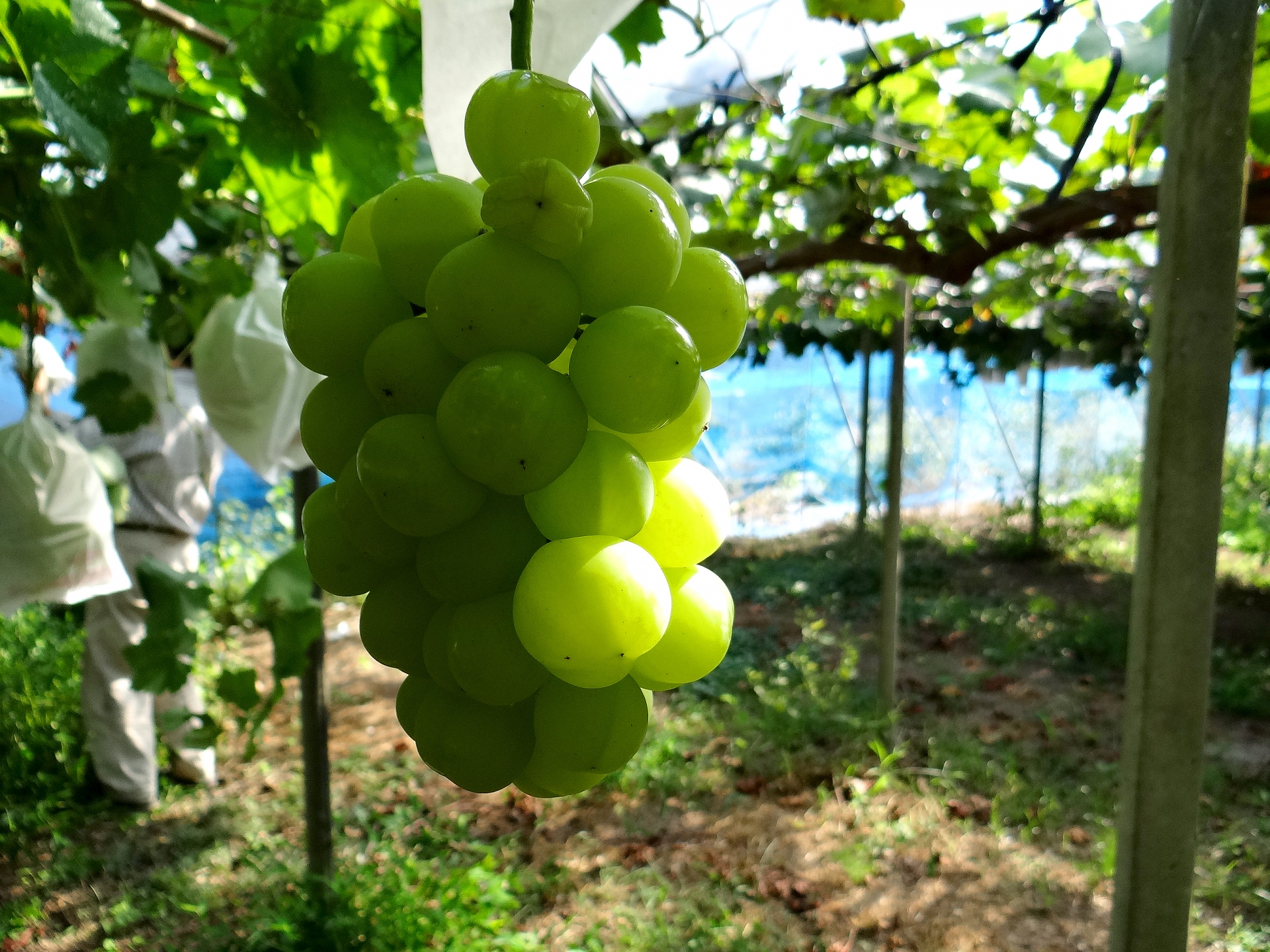
Seto Giants Grapes (瀬戸ジャイアンツ)
10 hours ago
2

The Best Japanese Sunscreens According to Dermatologists
11 hours ago
4
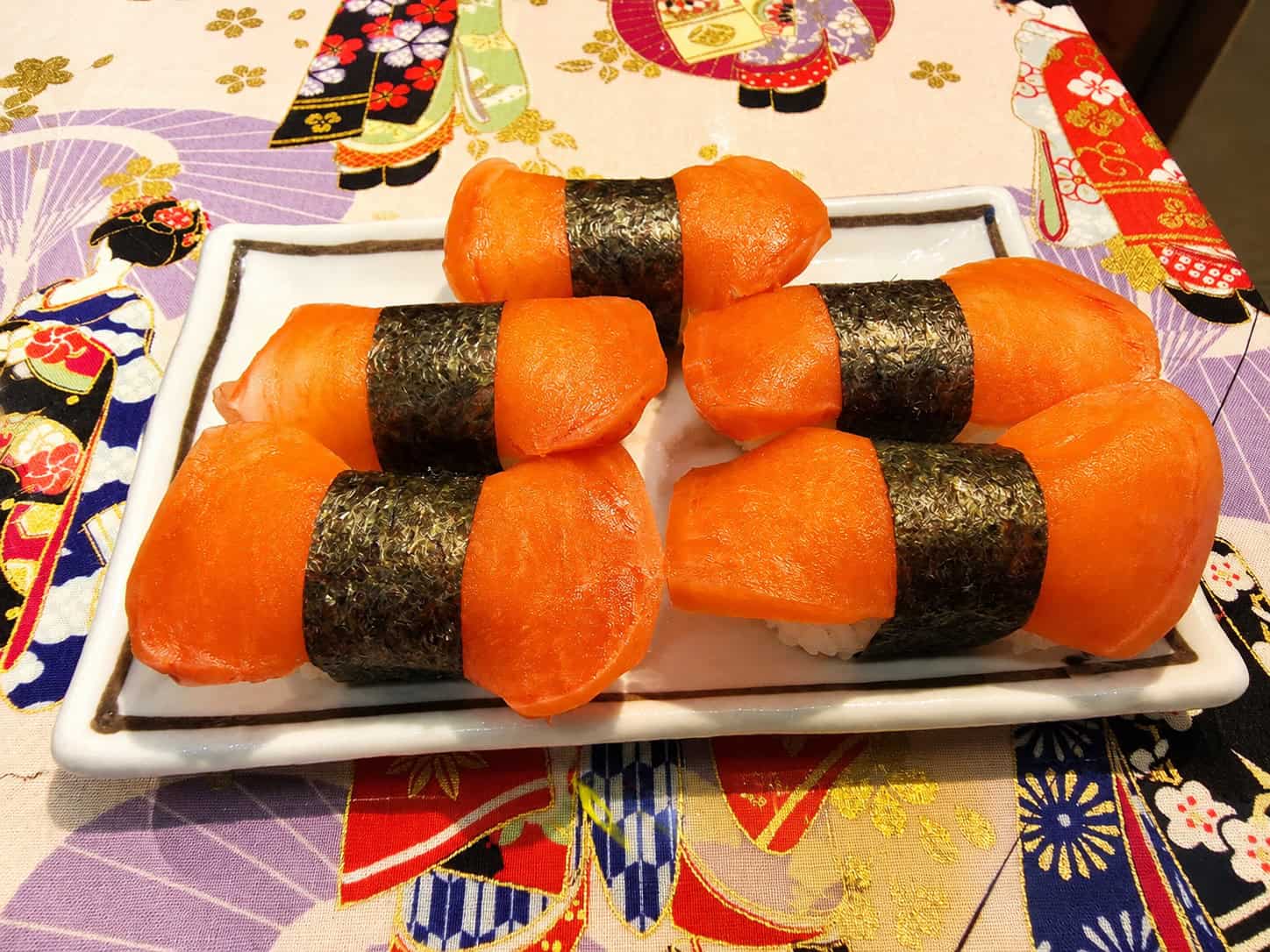
Akakabu Sushi (赤カブ寿司)
2 days ago
12
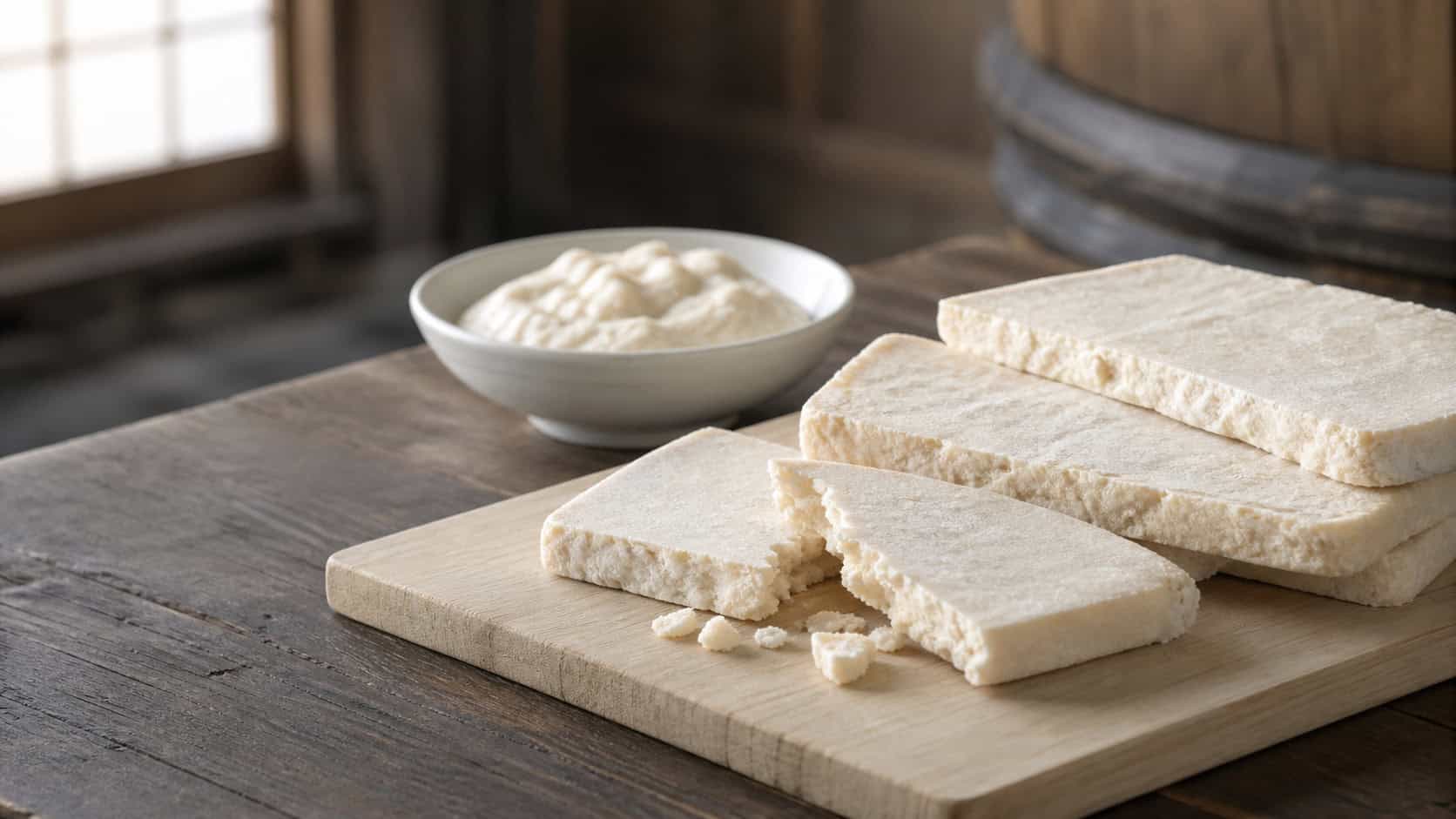
Sake Kasu (酒粕): Sake Lees from Brewing to Table
3 days ago
16
Popular

Chicken Caesar Wrap
3 weeks ago
69

Weekly Meal Plan #95
2 weeks ago
53
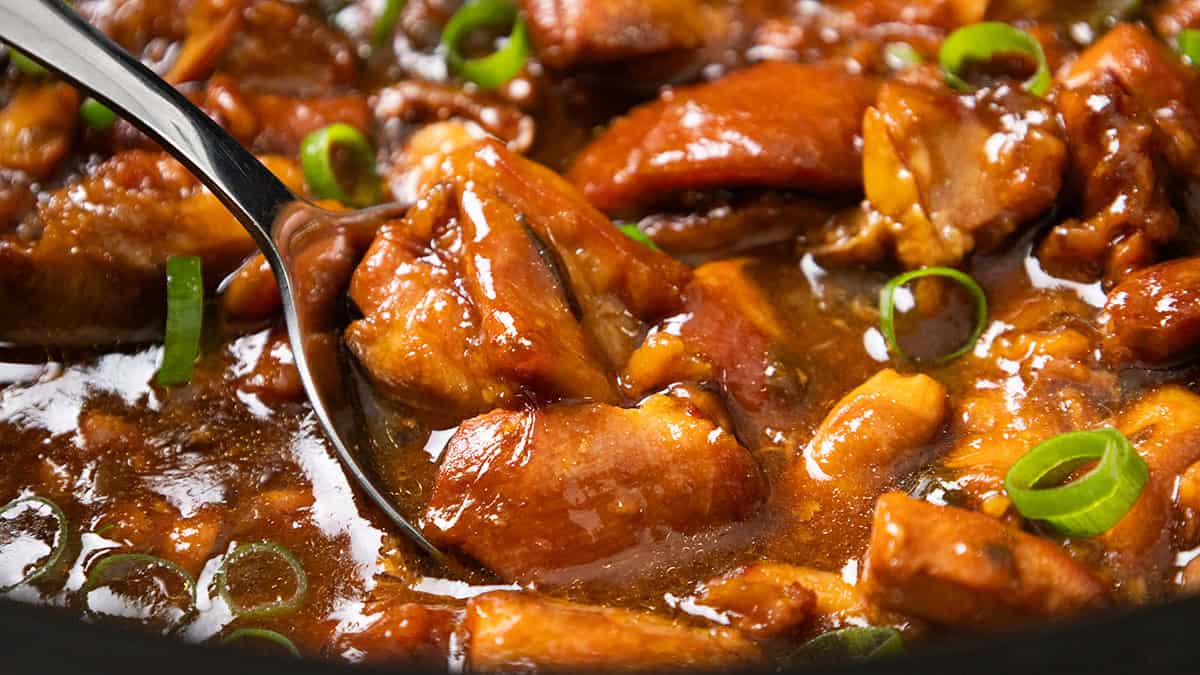
Slow Cooker Honey Soy Chicken
4 weeks ago
49

Umaki (う巻き)
2 weeks ago
48
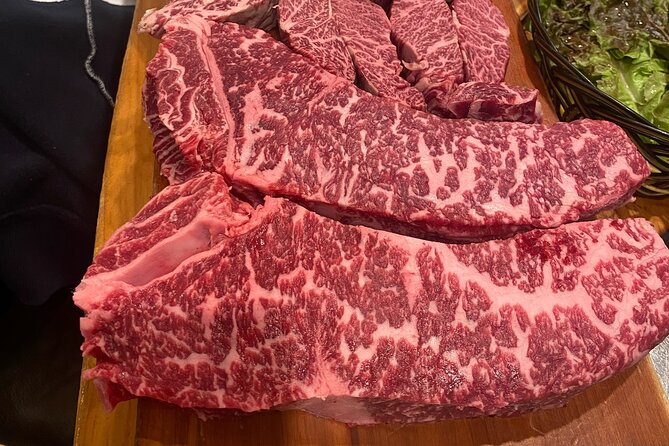
What Is Hanwoo Beef, and Is It Really Worth the Price?
4 weeks ago
47
 English (US) ·
 © Daily Food 2026. All rights are reserved
