
 3 weeks ago
31
3 weeks ago
31
Every bottle of sake leaves something behind. After the fermented mash is pressed, a soft, pale, fragrant solid remains in the press. The Japanese call it sake kasu, and many people wrongly dismiss it as waste. In reality, it is not waste at all. Sake kasu is a nutrient-rich ingredient with real culinary and cultural value. For centuries, Japanese cooks have turned it into soups, pickles, sweets, and warming winter drinks. So what exactly is it? Sake kasu (酒粕) is the solid lees left over after sake is pressed from the fermented mash. In Japanese brewing terms, it is simply the solids that remain once the moromi is squeezed. Yet that simple description hides a lot of flavor. Sake kasu still carries rice, koji, and yeast, along with their aromas and nutrients. This guide follows it from the press to the kitchen, and beyond. We will cover how sake kasu is made, why different types exist, and what it contains. We will also look at its many uses, its role in sustainable brewing, and its place in regional food culture. Along the way, a few surprises appear. Ultimately, this humble byproduct sits close to the heart of Japanese fermentation. Quick Facts Japanese Name: 酒粕 (sake kasu), also ...
Related
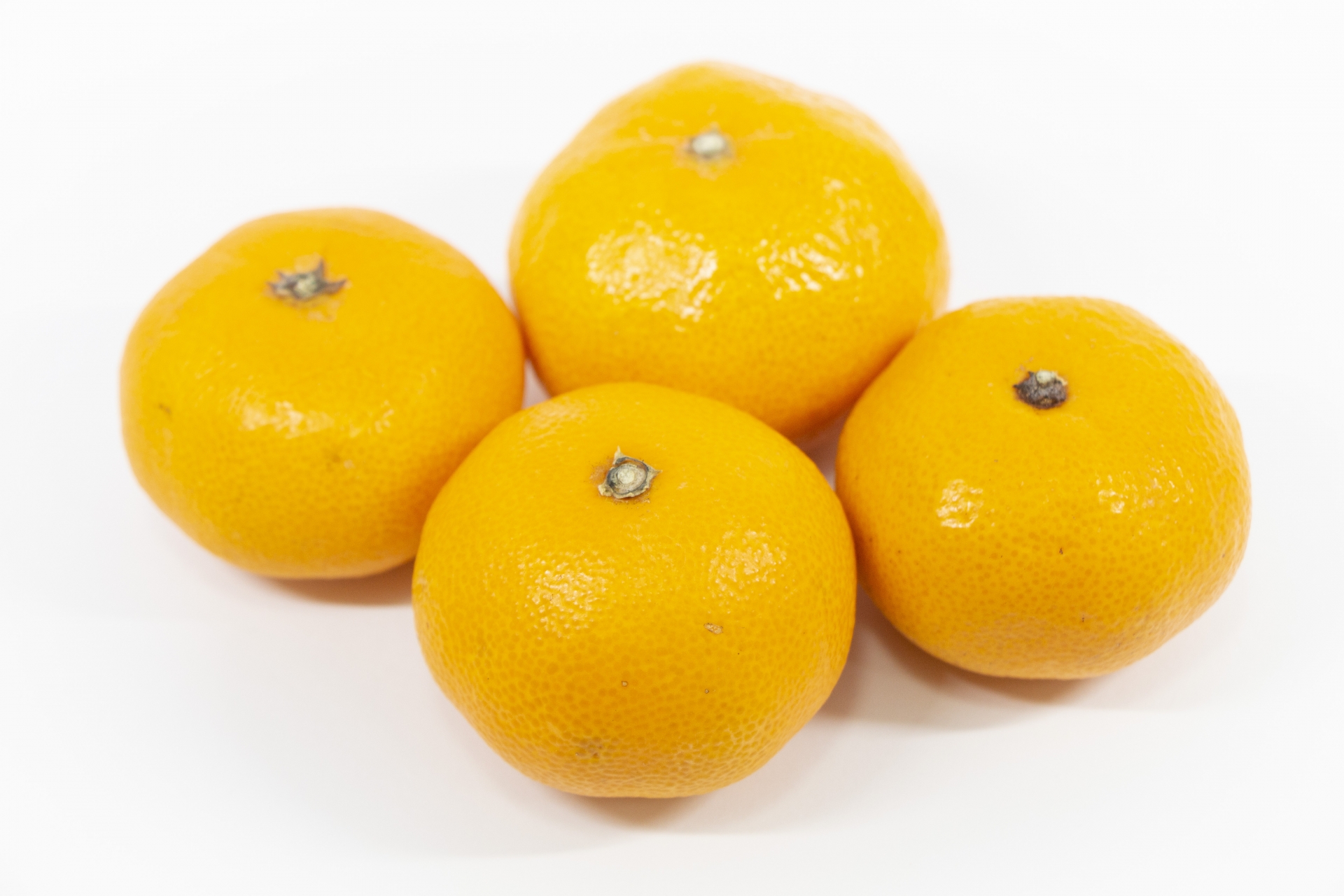
Mie Nanki Mikan (三重南紀みかん)
1 day ago
3
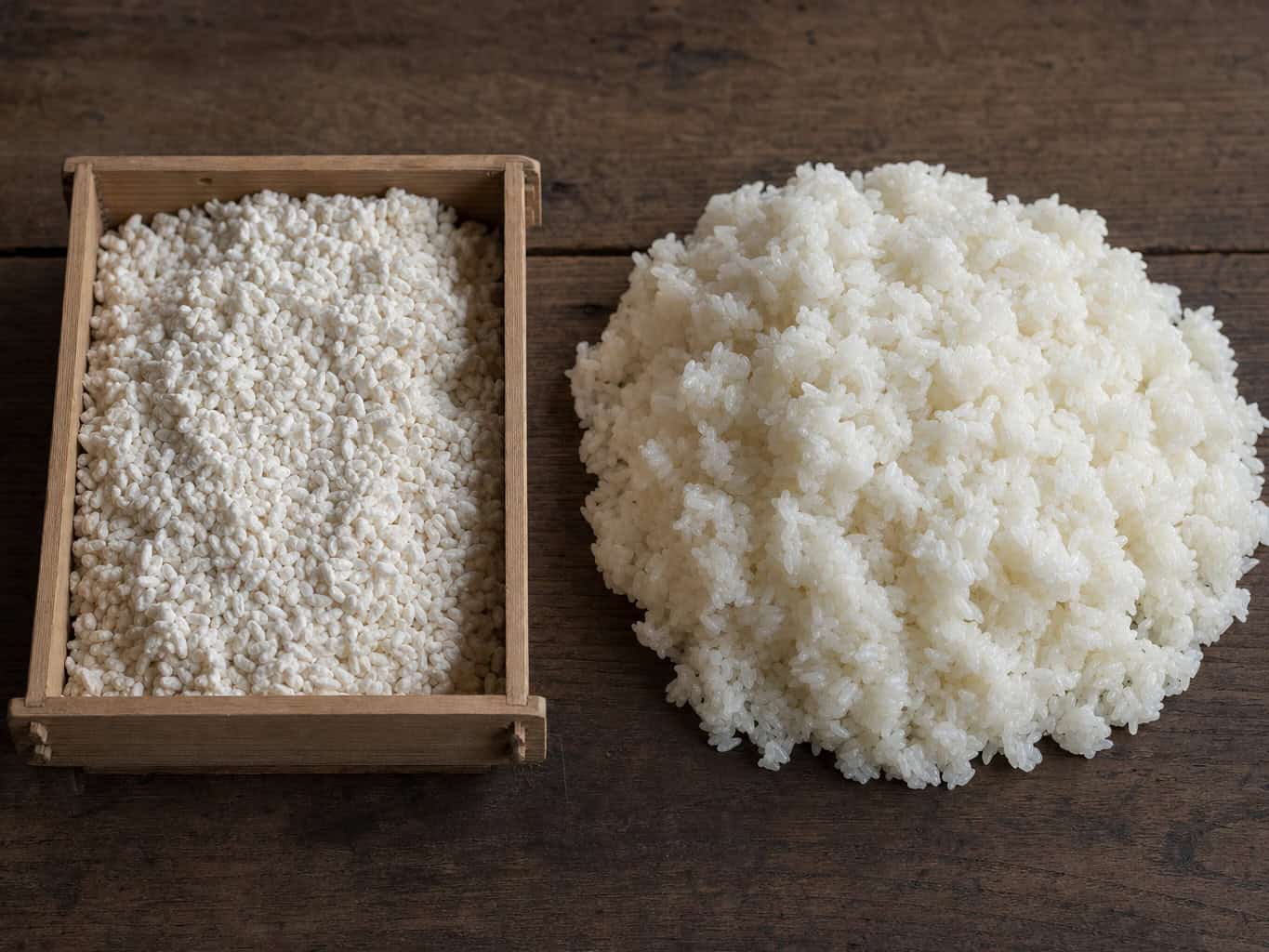
Koji Buai (麹歩合): How Much Rice Becomes Koji
1 day ago
7

How to Use Hada Labo Aging Care Lotion for Best Results
3 days ago
15

Popular

Crispy Rice
2 weeks ago
61
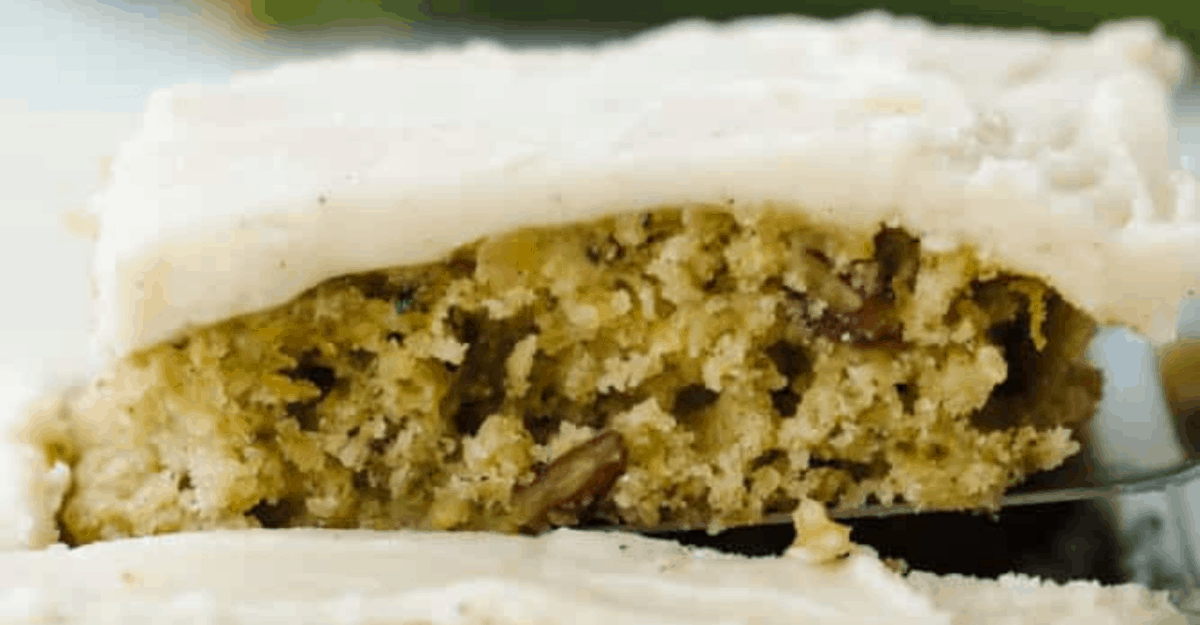
Zucchini Bars with Brown Butter Frosting
2 weeks ago
59

Caprese Gnocchi
3 weeks ago
57

Crispy Rice Salad
2 weeks ago
50

Greek Lemon Potatoes
2 weeks ago
50
 English (US) ·
 © Daily Food 2026. All rights are reserved
