
 4 weeks ago
12
4 weeks ago
12
Kujira jiru is a traditional Japanese soup that holds a unique place in regional food culture. This hearty dish, made with whale blubber and seasonal vegetables, has a rich history tied to local customs and the availability of resources. The following article will provide a comprehensive overview of Kujira jiru, exploring its origins, its cultural significance in regions like Niigata and Hokkaido, and how locals enjoy this unique dish today.
What is Kujira jiru?
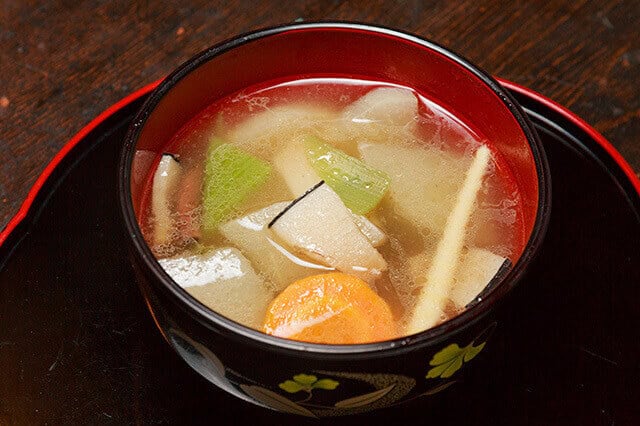
Kujira jiru, which translates to “whale soup,” is a local dish in parts of Japan, particularly in Niigata and Hokkaido. It’s a soup made by simmering salted whale blubber with various vegetables in a seasoned broth. The specific vegetables used can vary by region and season. For example, in Niigata, it often includes eggplant, carrots, and potatoes, while in Hokkaido, it commonly features daikon radish, konnyaku, and tofu. The soup’s base is typically miso or soy sauce.
In Niigata, the dish is particularly famous for its strong, savory flavor and rich texture. The whale blubber adds a unique, fatty element that creates a distinct mouthfeel, making the soup a hearty and filling meal. In both regions, they consider Kujira jiru a special dish, not an everyday meal, and often prepared for specific occasions.
History
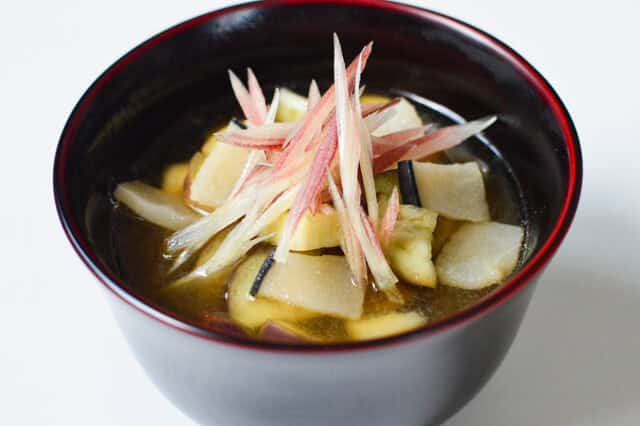
The history of Kujira jiru is closely tied to local customs and the availability of resources. In Niigata, the dish’s presence is similar to Kitamae-bune, a historical shipping route that transported salted whale meat from western Japan to the region. Locals considered this a stamina-boosting food, especially during the hot summer months in Niigata.
In Hokkaido, Kujira jiru holds a different significance, traditionally being a New Year’s dish. Local folklore suggests that eating the dish was a way to pray for a plentiful herring catch, as whales believed to herd herring to the shore. The dish’s high nutritional value from the whale fat also made it an important food for surviving the harsh winters. Because salted whale could be preserved, the dish was also eaten in mountainous areas far from the sea.
Reference: Ministry of Agriculture, Forestry and Fisheries
Restaurant That Serves Kujira jiru
Ganso Kujiraya (元祖くじらや)
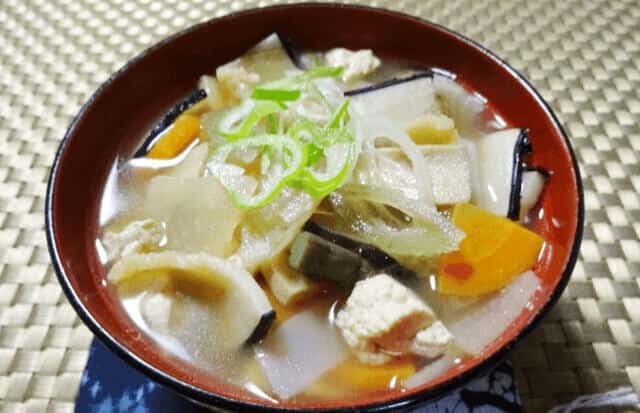
If you are in Niigata and wish to try this traditional dish, you can visit 元祖くじらや (Ganso Kujiraya), a restaurant that specializes in whale cuisine. The restaurant has been in business since 1966 and is the only whale specialty restaurant on the Sea of Japan side of Honshu. It offers a variety of whale dishes, including Kujira jiru.
Address: 7-22 Mizushimachō, Chuo-ku, Niigata-shi, Niigata
Phone Number: 025-244-1746
Hours: Monday to Saturday, 17:00 – 23:00 (reservations required)
Website: http://kujiraya.net
Conclusion
Kujira jiru is a traditional dish that represents a significant part of Japanese regional food culture. Its distinct flavors and historical importance make it more than just a soup; it is a link to the past, reflecting local traditions and survival in different parts of Japan.
For those interested in exploring similar traditional whale dishes, you might consider trying hari-hari nabe (a hot pot with whale and mizuna greens) or kujira tatuta-age (fried whale).
Kujirajiru (Whale Soup) FAQ
What is Kujirajiru?
It is a traditional Japanese soup containing salted whale blubber and seasonal vegetables.
Where do people eat it?
Locals in Northern Japan, specifically Niigata, Hokkaido, and Aomori, eat it most frequently.
What does it taste like?
The whale fat melts into the broth, giving it a rich, savory, and deeply umami flavor.
What part of the whale do they use?
Cooks use “Shiokujira,” which consists of the skin and the blubber (fat) layer beneath it.
When is the season for it?
Niigata locals eat it on New Year’s Eve, while Hokkaido residents eat it in summer for stamina.
What vegetables are inside?
The soup typically includes daikon radish, carrots, potatoes, and wild mountain plants.
Is the texture chewy?
Yes. The blubber has a unique texture—crunchy on the skin side and soft on the fat side.
Does it smell fishy?
Salted whale has a distinct scent, but the vegetables and miso broth mask any strong fishiness.
Why do they eat whale soup?
Historically, coastal communities relied on it as a vital source of protein and fat during harsh winters.
What is the broth base?
Most regions use a miso base, but some areas prefer a soy sauce broth.
Is it expensive?
Yes. Whale meat is a delicacy now, so the soup costs more than standard pork soups.
Is it widely available?
No. You mostly find it in specialized local restaurants or home kitchens in northern Japan.
Why do they call it a “summer stamina” dish?
People believe the rich calorie content gives them strength to survive the hot, humid summer heat.
Does it use red meat?
Generally, no. This specific soup focuses on the white fatty blubber rather than the red lean meat.




 English (US) ·