
 15 hours ago
1
15 hours ago
1
New year in Japan is a time for many different traditions and celebratory foods like this Ozoni! Families in Japan gather on the morning of new year’s day to eat a steaming bowl of this special soup as a symbol of good fortune and a fresh start. It’s not only meaningful but healthy and delicious too. The soup is made from a flavourful broth full of a variety of vegetables and chewy mochi rice cakes. Ozoni varies from region to region, reflecting local tastes and ingredients, but its essence remains the same. Learn how to prepare this comforting dish and welcome the year ahead with a delicious Japanese culinary tradition!

What is Ozoni?
Ozoni is a traditional soup that’s specially made for New Year’s celebrations in Japan. The dish features mochi (chewy rice cakes) and bite-sized pieces of vegetables served in a savory dashi broth. It’s a comforting soup that’s customarily enjoyed on New Year’s Day as part of the ‘osechi ryori’, a collection of auspicious foods meant to bring good fortune for the year ahead. Ozoni itself symbolises good health, longevity, and prosperity.
Ozoni is prepared differently between regions and households. There are mainly two types of Ozoni by region; Kanto style & Kansai style. The typical differences are the soup and the shape of the mochi rice cake. Kansai style (western Japan/Osaka area) is made with white miso soup with round shaped mochi. In the Kanto region (eastern Japan/Tokyo area), people make ozoni with a soy sauce based clear broth with rectangular mochi rice cakes.
 Enjoy authentic Japanese fish cake miso soup with fresh vegetables, served in traditional bowls on a wooden table.
Kansai Ozoni Ingredients
Kansai-style ozoni is the version of this traditional Japanese New Year’s soup that I grew up eating and reflects the culinary preferences of the Kansai region. Here are the key ingredients typically found in Kansai ozoni:

Dashi
A light dashi (usually awase dashi made from kombu seaweed and bonito flakes) is used to create the soup stock, which is then mixed with the white miso.
White Miso
The soup base is made with white miso, giving it a rich, slightly sweet flavor that’s characteristic of Kansai cuisine.
Round Mochi
Unlike the square mochi used in eastern Japan, Kansai ozoni features round mochi, which is grilled or toasted before being added to the soup.
Kamaboko
This pink and white fish cake is sliced and added for color and texture.
Vegetables
Common vegetables include:
Carrot: Cut into decorative shapes like flowers. Usually darker coloured carrot called “kintoki ninjin” is used.
Daikon radish: small daikon called “zoni daikon” thinly sliced and parboiled before added to the ozoni bowl.
Taro: taro also known as “satoimo” in Japanese is a starchy root vegetable that’s commonly used in ozoni. This ingredient adds a unique texture and flavor to the dish.
Garnishes
Yuzu: A slice of this citrus fruit is sometimes added as a garnish, providing a refreshing aroma. Alternatively you could use lemon.
Mitsuba: This Japanese parsley is often used as a fragrant garnish. Mitsuba has a distinctive, refreshingly clean and slightly bitter taste.
Step by Step Instructions for Kansai Ozoni
- Prepare the ingredients: wash and cut the vegetables.

- Make the dashi stock:Place kombu (dried kelp) and water in a pot. Heat until just before boiling then add katsuobushi (bonito flakes). Bring to a boil, then strain.

- Put the strained dashi back in the pot and simmer with prepared vegetables for about 10-15 minutes.

- Grill the mochi:While the vegetable is being cooked, grill or toast the round mochi until it puffs up and becomes slightly golden. Be careful not to burn it.

- Place the grilled mochi in the serving bowl.

- Arrange the vegetables around the mochi.

- Dissolve miso paste into the dashi. Carefully pour the hot miso soup over the ingredients.

- Garnish and serve:Garnish each bowl with mitsuba leaves and add a small slice of yuzu for aroma if using.

- Enjoy:Serve the ozoni hot, allow the mochi to soften slightly in the warm broth before eating.

Kanto Ozoni Ingredients
Kanto ozoni is the version originating from eastern Japan which includes Tokyo and its surrounding areas. Here are the key ingredients typically found in Kansai ozoni:

Clear Dashi Broth
The base of Kanto ozoni is a light, clear dashi broth typically made from kombu (dried kelp) and katsuobushi (dried bonito flakes). This creates a delicate, umami-rich foundation for the soup.
Soy sauce
A bit of soy sauce is added to season the soup, but the dashi already provides a good depth of flavor.
Sake
Small amounts may be used to enhance the flavor of the broth.
Mochi
In Kanto style, rectangular mochi (rice cakes) are used. Like kansai ozoni, these are usually grilled or toasted before being added to the soup for aslightly crispy exterior and chewy interior.
Chicken
Small pieces of tender chicken meat are often included for protein and flavor.
Vegetables
Common vegetables in Kanto ozoni include:
Carrot: Cut into decorative shapes like flowers or crescents
Spinach or komatsuna (Japanese mustard spinach): Adds color and nutrients
Shiitake mushrooms: Provides a rich, earthy flavor
Kamaboko
Pink and white fish cake adds color and texture to the soup.
Garnishes
Mitsuba (Japanese parsley): Used as a fragrant garnish
Yuzu zest: Sometimes added for a citrusy aroma and flavor
Optional ingredients
depending on family traditions or local variations, you might find: gobo (burdock root), taro root, mizuna (Japanese mustard greens).
Step by Step Instructions for Kanto Ozoni
- Prepare the ingredients: cut the chicken and wash and cut the vegetables.

- Prepare the dashi stock or use instant dashi if available.

- Season the soup with soy sauce and sake . Adjust the seasoning to your taste.

- Cook the prepared vegetables and chicken pieces with the soup for about 5 minutes until slightly tender.

- While the soup is simmering, grill the mochi pieces on a separate pan or in a toaster until they puff up and become slightly golden. Be careful not to burn them.

- Place one grilled mochi piece in each serving bowl.

- Arrange the cooked vegetables and chicken around the mochi pieces.

- Ladle the hot soup over the mochi and other ingredients.

- Top with your favourite garnishes.

- Serve immediately while the soup is hot and the mochi is still soft and chewy.
- It’s a bit of a hassle, but if you cut carrots and kamaboko into decorative shapes for visual appeal, it will look beautiful for New Year’s celebration.
- Blanch greens like spinach separately to maintain their color.
- Garnish thoughtfully: Top your ozoni with a sprinkle of yuzu zest or a small piece of yuzu peel for a fragrant citrus note if it is available.
- Serve at the right temperature: Ozoni is best enjoyed hot. Serve immediately after cooking to ensure the mochi stays soft and chewy.
- Practice timing: Cook the mochi separately and add it to individual bowls just before serving to prevent it from becoming too soft in the soup.
Serving Suggestions
Traditional Japanese Accompaniments
- Osechi Ryori: this is a collection of traditional New Year’s foods, often served in special boxes. It includes various small dishes like sweet black soybeans (kuromame), rolled kelp (konbu maki), and sweet potato with chestnut (kuri kinton).
- Toshikoshi Soba: buckwheat noodles eaten on New Year’s Eve for good luck and longevity.
Complementary Dishes
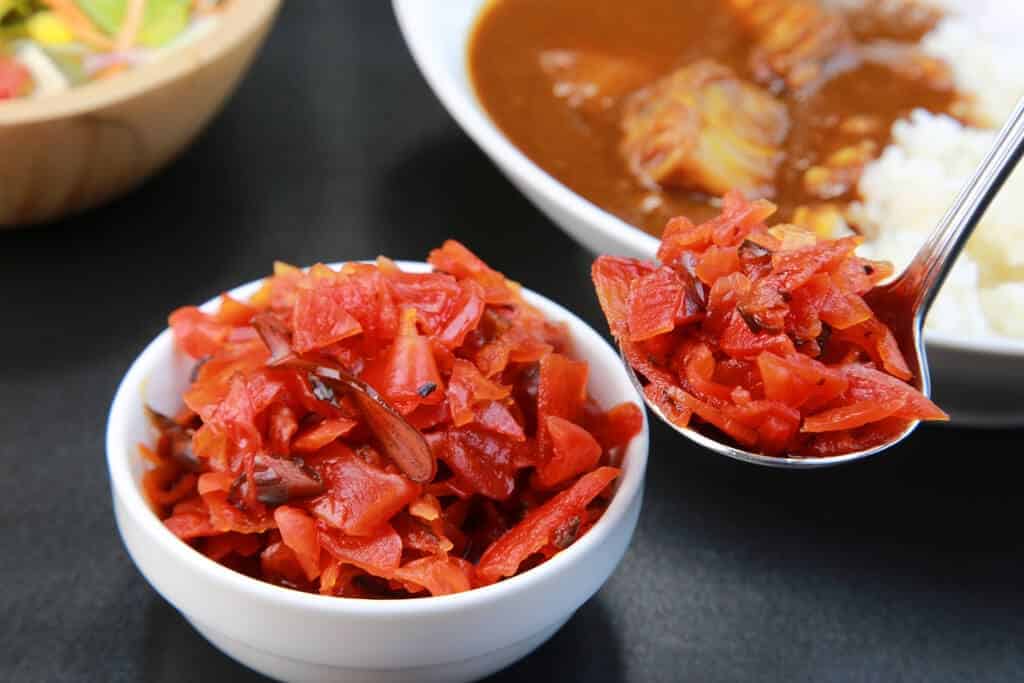
- Pickled Vegetables (Tsukemono): various pickles to add a tangy contrast to the rich soup.
- Green Salad: alight, crisp salad can balance the warm, hearty ozoni.
- Datemaki: Japanese rolled omelette for a protein boost.
- Steamed Rice: while ozoni contains mochi,a bowl of rice still tastes delicious on the side.
Beverages
- Green Tea or Hojicha: these teas pair well with ozoni and aid digestion.
- Amazake: this is a sweet, non-alcoholic drink made from fermented rice, traditionally enjoyed during New Year’s.
Variations
When you live outside of Japan, you may not find many of the ingredients unfortunately. Simply because many of the ingredients are not in season and not typical outside of Japan.You can substitute any of the vegetables with what you can find at the supermarket. This dish is very flexible with different variations between regions and household so you can adapt it however you like. We can use special local ingredients to create new versions!
Beware of Mochi danger
Mochi is very yummy but beware to not eat a lot of it at once, because there is a significant choking hazard and can even cause death. Not even kidding…seriously, people have died! Old people especially are being warned in Japan of the danger of choking on the mochi.
I think it happens quite rarely though, there’s no need to be worried. But just be careful!
Ozoni is a traditional Japanese New Year’s specialty food made from miso soup with vegetables and mochi (rice cakes). It’s comforting, healthy, and delicious!
Prep Time 5 minutes
Cook Time 15 minutes
Total Time 20 minutes
Servings: 4 bowls
Kansai style Ozoni
- ▢ 400ml water *1
- ▢ 2.5g kelp (Konbu) or 2/inch5cm
- ▢ 10g Bonito flake(katsuobushi)
- ▢ 2 tbsp White miso paste
- ▢ 40g half of medium sized carrot
- ▢ 40g small daikon radish
- ▢ 2 round mochi rice cakes
- ▢ 2 Shiitake mushroom *2
- ▢ 2 leaves Mitsuba for garnish
- ▢ 2 slices of Naruto
Kanto style Ozoni
- ▢ 400ml water
- ▢ 2.5g Kelp(konbu) or 2inch/5cm
- ▢ 10g bonito flake(katsuobushi)
- ▢ 1 tsp soy sauce *5
- ▢ 1 tsp sake *6
- ▢ 100g Chicken thigh meat chopped
- ▢ 40g a medium sized carrot
- ▢ 40g a small daikon radish
- ▢ 2 rectangle mochi
- ▢ 2 shiitake mushrooms
- ▢ 1 bunch Japanese mustard(Komatsuna) *7
- ▢ 2 slices Naruto fish cake
- ▢ Mitsuba and yuzu zest for garnish
Kansai style Ozoni :Preperation
Cut the carrot and radish into small thin slices.
Parboil the carrot and radish and cut in to a flower shape using a Japanese cookie cutter. *3
Peel the taro and wash the slimy surface with salt (not listed in the ingredients).
Kansai Style Ozoni : Making Dashi
Pour the water and the strip of kelp in a sauce pan and let it simmer over low heat for about 15-20 minutes.
When small bubbles appear around the kelp and bottom of the saucepan, turn the heat off and add bonito flakes and leave it for a few minutes or till the bonito flakes sink to the bottom of the saucepan.
Drain the bonito flakes and kelp and pour the dashi stock back into the saucepan.
Kansai Style Ozoni Assembling
Place the saucepan with dashi over medium heat.
Add the carrot, radish and taro to the sauce pan and leave it cook for about 10 minutes.
While this is cooking, put the mochi pieces in the oven to grill for 15 minutes on 180°C/356°F. *4
Once the mochi is done, add the mochi to a bowl and arrange the cooked carrot, radish and taro around the mochi.
Add miso paste to the saucepan (straining it through a small sifter ladle to remove the hard chunks).
Once the miso has dissolved, put the saucepan back on to medium heat. Watch it carefully and remove from heat just before it boils.
Pour the miso soup over the mochi and other ingredients.
Garnish with Mitsuba, yuzu, and naruto (*5) to serve.
Kanto Style Ozoni : Preparation
Cut vegetables and chicken and set aside.
Cut kamaboko decoratively.
Kanto Style Ozoni : Making Dashi
Pour the water and the strip of kelp in a sauce pan and let it simmer over low heat for about 15-20 minutes.
When small bubbles appear around the kelp and bottom of the saucepan, turn the heat off and add bonito flakes and leave it for a few minutes or till the bonito flakes sink to the bottom of the saucepan.
Kanto Style Ozoni : Assembling
Drain the bonito flakes and kelp, pour the dashi stock back into the saucepan.
Add sake and soy sauce into the dashi saucepan and stir to make soup.
Place the saucepan over medium heat and add the chicken, carrot, and daikon and cook for about 5 minutes.
Add shimeji mushrooms and let it simmer.
While the chicken and vegetables are being cooked, cut the mochi in half and put it in the oven to grill for 15 minutes on 180°C/356°F. *4
Once the mochi is done, add the mochi to a bowl and arrange cooked chicken, carrot, radish and mushrooms and also the kamaboko around the mochi.
Pour some soup onto the mochi and other ingredients in the serving bowl.
Garnish with mitsuba and yuzu zest.
*1 Homemade Dashi recipe here. If you don’t want to make dashi from scratch, add 1 tsp of dashi powder.
*2 If you can not access to shiitake mushrooms, I substitute with Swiss brown mushrooms.
*3 Using those cutter is only for decoration purpose. If you don’t have one and, just slice it thinly.
*4 You can either cook it in oven, or grill like I did in the photo indicate in the post above.
*5 Preferably Usukuchi if you can get it.
*6 If you can not get sake, you can omit or substitute with Chinese wine or dry sherry.
*7 If you can not access to sake, you can omit or substitute with Chinese wine or dry sherry
*8 Komatsuna can be substituted by a bunch of spinach.
Serving: 2cups · Calories: 161kcal · Carbohydrates: 33g · Protein: 4g · Fat: 1g · Saturated Fat: 0g · Cholesterol: 0mg · Sodium: 670mg · Potassium: 156mg · Fiber: 1g · Sugar: 2g · Vitamin A: 2550IU · Vitamin C: 6.9mg · Calcium: 28mg · Iron: 0.5mg
Course: Soup
Cuisine: Japanese
I want to see it! Tag @chopstickchronicles on social media!
The site and our mobile application may contain links to affiliate websites. We receive a small affiliate commission for any purchase made by you on the affiliate website using such links. Read our disclosure policy.









 English (US) ·