
 9 hours ago
2
9 hours ago
2
You duck under the noren curtain and settle into your seat at the izakaya. A cold beer arrives, and you flip open the menu, wondering what to order. That’s when your eyes land on it: “Tako Karaage.” It’s not flashy. But there’s something about the way each bite releases waves of umami, that distinctive texture that keeps your chopsticks moving back for more. Once you start, it’s hard to stop. Today, let’s dive deep into this supporting actor of Japanese drinking culture—a dish that quietly holds the whole scene together.
Introduction
“I’ll start with the tako.” On any given night in Japan, you’ll hear this order echoing through izakayas everywhere. Tako karaage isn’t just another fried food. It’s the ultimate beer snack, something only a nation as octopus-obsessed as Japan could have perfected. The savory aroma of soy sauce and ginger. That crispy outer shell giving way to springy, resilient flesh underneath. There’s a joy in chewing it that chicken simply can’t match.
What Is Tako Karaage?
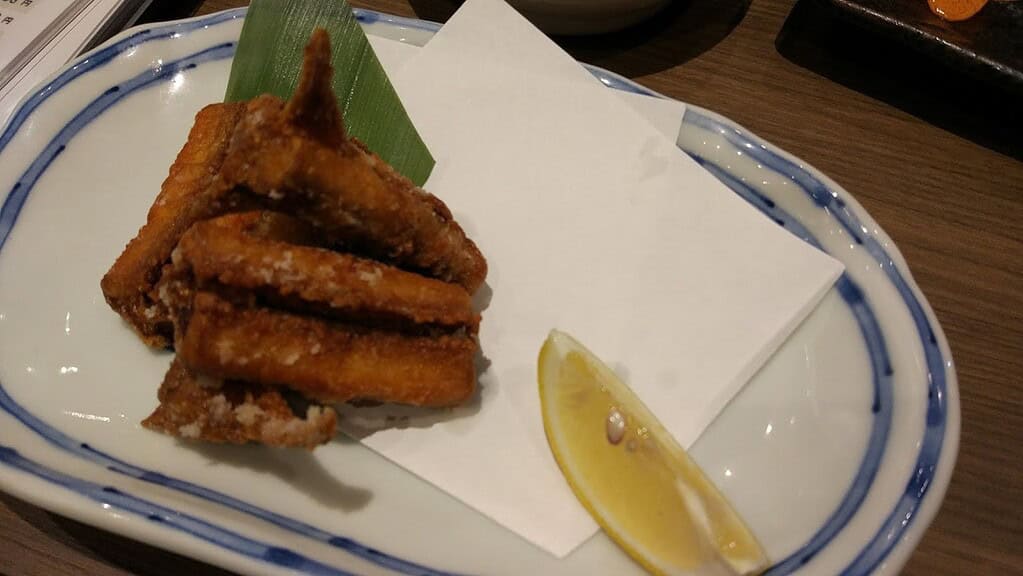 Delicious Japanese fried chicken wings served with lemon, perfect for authentic Japanese dining.
This Japanese dish consists of bite-sized octopus marinated in a savory blend of soy sauce, sake, and ginger before being dusted with potato starch and deep-fried to golden perfection. The potato starch coating delivers an exceptionally light, crispy crunch with each bite – quite different from tempura’s style. While izakayas often serve it with lemon wedges or mayonnaise on the side, the well-seasoned octopus stands deliciously on its own.
What Makes It Special
What sets this dish apart is the interplay of textures. The exterior, flash-fried at high temperatures, achieves remarkable lightness and crunch. Inside, the naturally sweet octopus offers gentle resistance with each bite. Fried suckers are particularly prized—they develop an irresistibly crispy texture that keeps you reaching for more. With continued chewing, the octopus slowly releases umami compounds such as taurine, building savory depth that makes your next drink essential.
The History Behind Tako Karaage
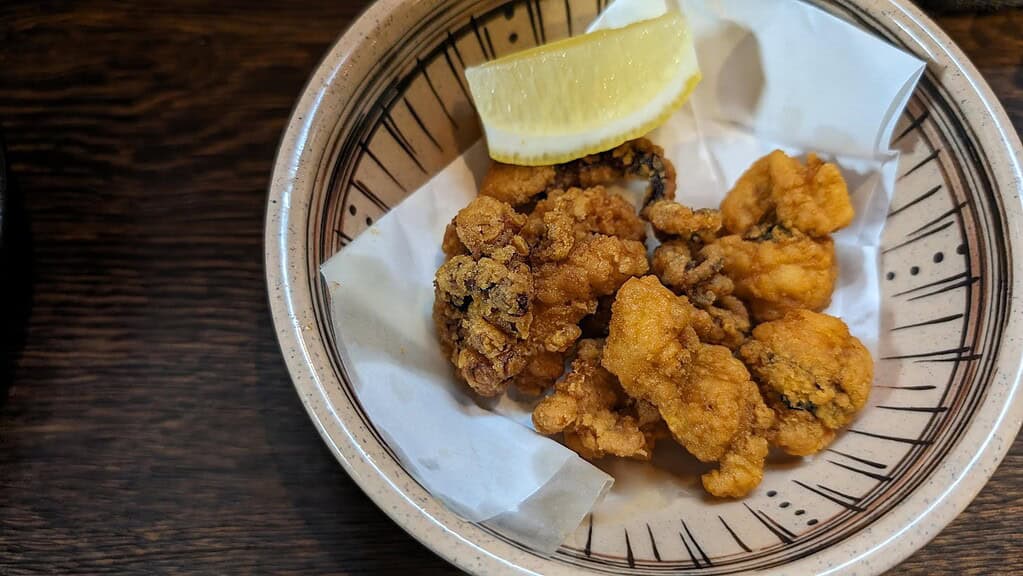 Delicious Japanese fried calamari served with lemon, showcasing traditional seafood cuisine in Japan.
The exact origin of tako karaage isn’t documented, but if you trace its roots, you’ll find a fascinating story of ingenuity and cultural evolution.
1. Japan’s Love Affair with Octopus Meets Deep Frying
Japanese people have eaten octopus since the Yayoi period, but for centuries it was mostly boiled or dried. Frying octopus—with its high water content and tendency to splatter—took time to figure out.
2. Postwar Resourcefulness and the Whale Connection
The modern version likely emerged after World War II. During food shortages, people needed creative ways to make limited protein sources taste good. The inspiration may have come from “kujira no tatsuta-age”—whale fried in a ginger-soy marinade, a school lunch staple at the time. The technique of using ginger and soy to mask strong flavors and tenderize tough meat was simply adapted to octopus, another challenging ingredient.
3. Fishermen’s Cooking: The Zangi Influence
Another origin story leads to Hokkaido and a dish called “Tako Zangi.” Fishermen in the cold north would take freshly caught, water-logged mizudako (giant Pacific octopus), chop it into chunks, heavily season it, and fry it. Simple, hearty, delicious. Eventually, this working-class dish made its way into urban restaurants.
4. Chain Izakayas and Frozen Technology
By the 1960s and 70s, during Japan’s economic boom, izakaya chains expanded rapidly. Advances in freezing technology meant pre-processed octopus could be delivered anywhere. Tako karaage checked all the boxes: fast to cook, incredibly tasty, perfect with alcohol. What started as rough fishermen’s fare became a nationwide standard.
What Kind of Octopus Is Used?
Depending on region and establishment, you’ll encounter octopus with completely different personalities.
Madako (Common Octopus)
The standard in mainland Japan, especially famous around Akashi. The flesh is firm and intensely flavorful. If you want that aggressive, chewy “korikori” texture, madako is your pick. When fried, its red color becomes beautifully vibrant.
Mizudako (Giant Pacific Octopus)
Caught in Hokkaido and northern waters, this is the world’s largest octopus species. It’s much softer and more moisture-rich. When fried, it has an almost fluffy texture with juices that burst in your mouth. This is what you’ll find in authentic Tako Zangi up north.
How to Eat It and What to Drink
 Delicious Japanese fried chicken karaage served with lemon, a favorite dish in Japanese cuisine.
Always eat tako karaage piping hot. First, try it plain—just the marinade and the octopus’s natural flavor. Then squeeze some lemon over it. The citrus cuts through the oil and refreshes everything. For the full izakaya experience, try it with “shichimi mayo”—mayonnaise dusted with seven-spice chili powder.
As for drinks? Beer or highball are the obvious choices. The carbonation cuts the richness and preps your palate for the next bite. That said, the oceanic aroma of tako karaage also pairs beautifully with dry sake. Sipping hot sake while nibbling fried octopus is a distinctly adult pleasure.
Three Places to Try Tako Karaage
1. Sanchu (Tokyo, Sendagi) – たこや 三忠
A rare gem: a restaurant dedicated entirely to octopus. Here you can do side-by-side tastings of madako versus mizudako—their obsession with octopus borders on fanatical. The karaage here stays impossibly juicy thanks to the quality of the octopus. The fried suckers alone could make you polish off several drinks. The old-town atmosphere adds to the experience, and you’ll leave feeling like you’ve glimpsed something profound about this ingredient. Reservations essential.
Address: 3-1-17 Sendagi, Bunkyo-ku, Tokyo
Phone: 03-3824-2300
Website : https://www.instagram.com/takoyasanchu/
2. Kaikoubo (Hakodate, Hokkaido) – 海光房
Right next to Hakodate Station and the morning market, this seafood izakaya serves authentic Tako Zangi made with Hokkaido mizudako. The pieces are enormous, the flesh incredibly tender. When you bite down, moisture and umami practically gush out—nothing like the madako you’ll find on the mainland. Giant tanks full of live seafood add to the lively atmosphere. If you want to experience Hokkaido’s ocean bounty in all its glory, don’t skip this place.
Address: 11-8 Wakamatsu-cho, Hakodate, Hokkaido
Phone: 0138-26-8801
Website: http://hakodate-kaikoubo.com/
3. Akashitei (Akashi, Hyogo) – 明石家
Located steps from Akashi Station in the “octopus capital,” this popular izakaya uses premium “Akashi-dako” raised in the fierce currents of the Akashi Strait. Their karaage showcases muscular octopus at its finest. The snap of the coating against the octopus’s almost springy resistance is a revelation. The concentrated flavor that builds with each chew—well, you can’t argue with the real deal. Pair it with akashiyaki (Akashi-style takoyaki) for the full octopus immersion.
Address: 4-17 Kajiya-cho, Akashi-shi, Hyogo 673-0884, Japan
Phone: 078-911-2246
Website: Akashi Toruisum Association
Final Thoughts

Tako karaage will never be the flashiest thing on the menu. But it’s absolutely essential to the izakaya experience—a true soul food born from postwar ingenuity and fishing culture, perfected over decades. The regional variations, the different octopus species, each shop’s unique seasoning—there’s genuine depth here worth exploring. Next time you’re at an izakaya, look for those two words tucked into a corner of the menu. Order it. Bite into that hot, crispy octopus. And as you chew, take a moment to appreciate just how rich Japanese food culture really is.
Must-read
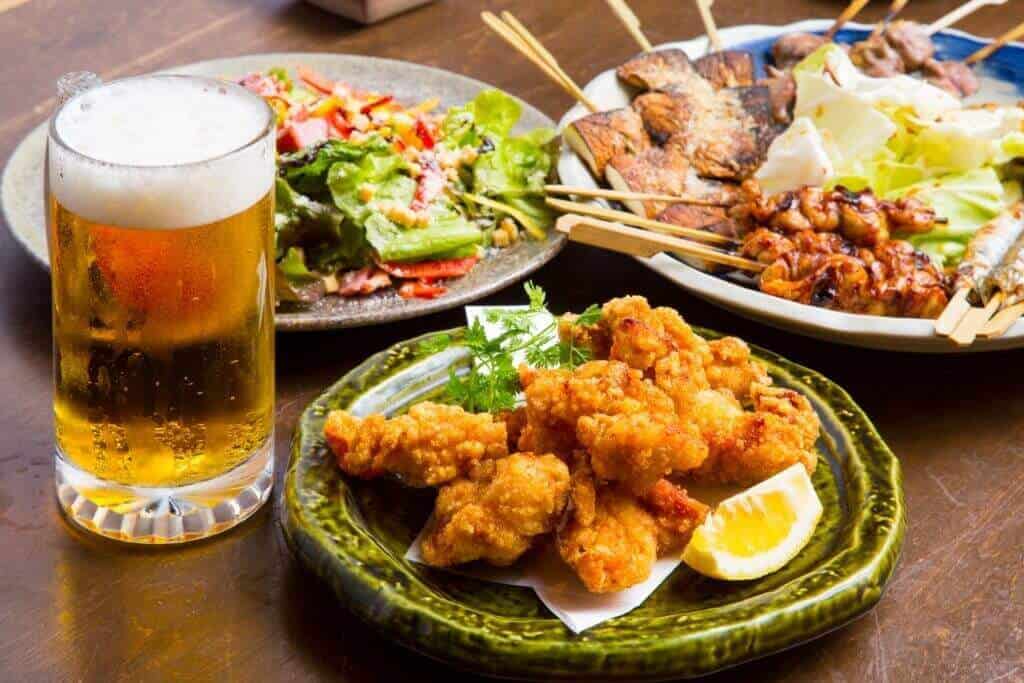
Izakaya Food – Dishes from Izakaya restaurants An Izakaya is a type of informal Japanese gastropub where people gather to enjoy Izakaya food and drinks in a casual, relaxed atmosphere.
Must-read
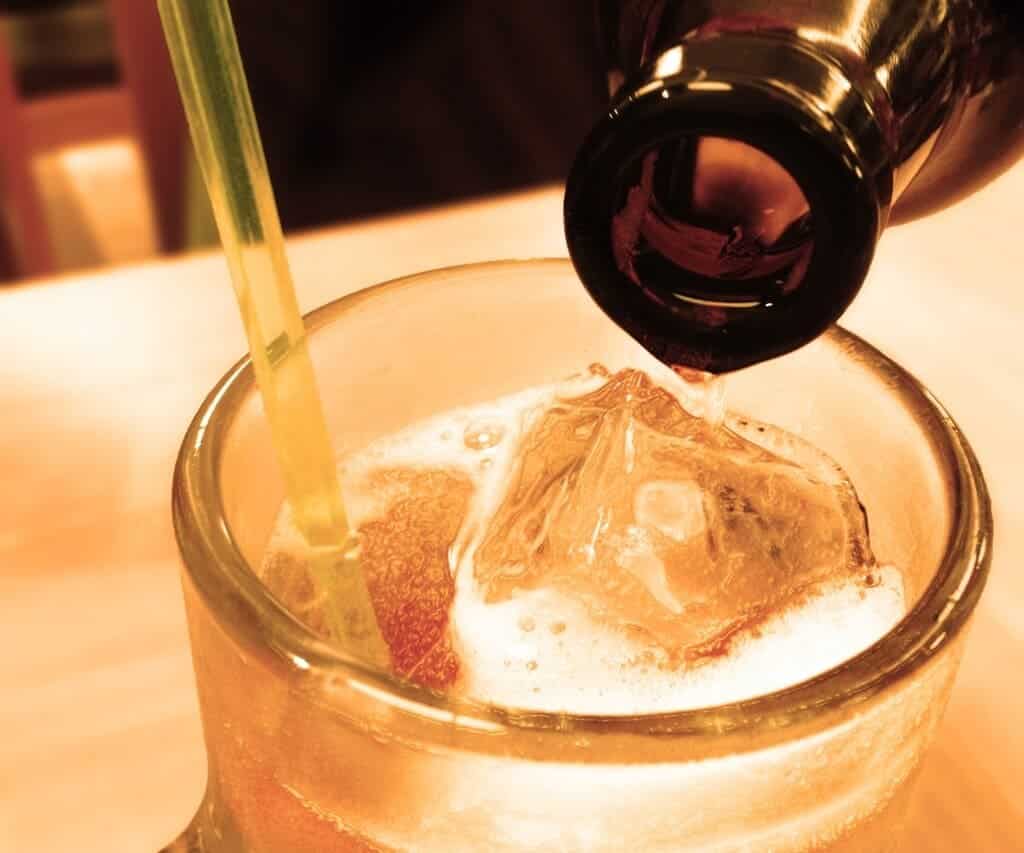
Hoppy – Beer-flavored drink in Japan Hoppy is a beer-flavored soft drink that started a unique trend in Japanese alcohol culture: mixing it with shochu with just 0.8% alcohol.
Must-read
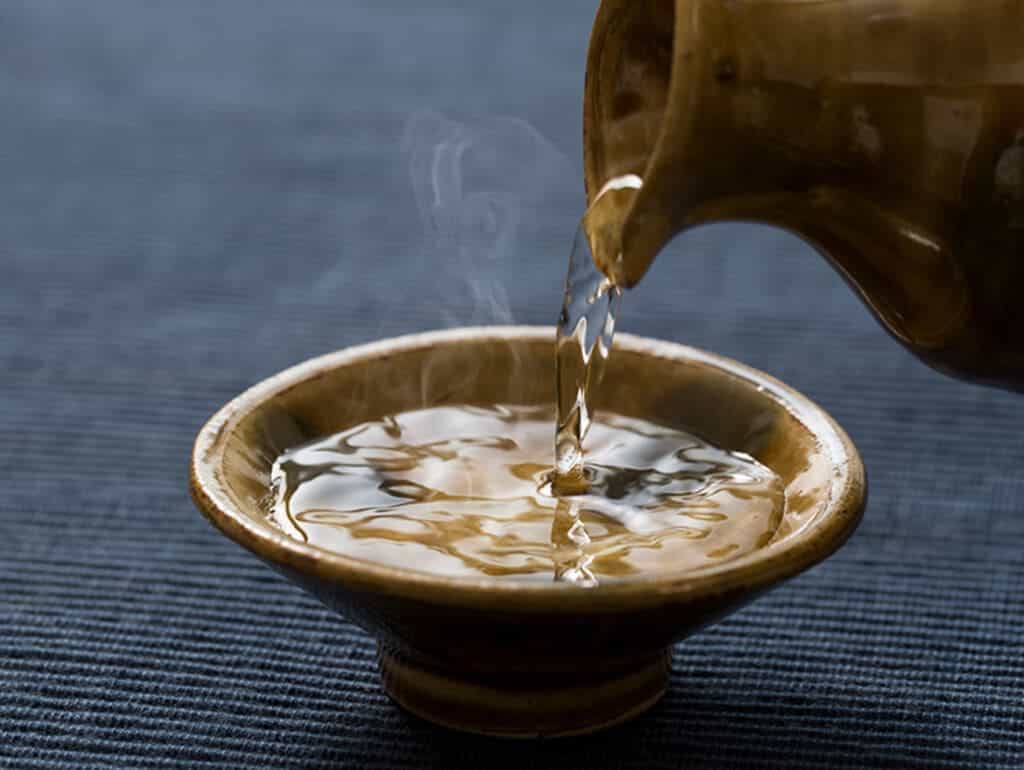
Warmed Sake – Warm Sake or Kanzake in Japan Warm sake or kanzake is sake heated to make it more delicious and generally refers to sake boiled in hot water.
Tako no Karaage (Fried Octopus) FAQ
What is Tako no Karaage?
It is bite-sized chunks of octopus marinated in soy sauce and deep-fried until crispy.
Is it rubbery?
Not usually. Fresh octopus becomes tender when cooked quickly, though it retains a pleasant chewiness.
Where can I order it?
You find it on the appetizer menu of almost every Izakaya (Japanese pub).
What does it taste like?
It tastes savory like soy sauce, garlic, and ginger, with the distinct natural sweetness of the seafood.
Is it the same as Takoyaki?
No. Takoyaki is a soft dough ball with octopus inside. Karaage is just the fried octopus itself.
Do I eat the suckers?
Yes. The suckers become very crunchy and delicious when fried.
Do I need dipping sauce?
No. The marinade provides enough flavor, but many people squeeze fresh lemon juice over it.
What drink pairs best?
The salty flavor pairs perfectly with a cold draft beer or a Lemon Sour.
Is it spicy?
Generally, no. However, some pubs serve it with a side of spicy mayonnaise.
What part of the octopus do they use?
Chefs primarily use the tentacles (legs) cut into small pieces.
Is it gluten-free?
No. The soy sauce marinade contains wheat, and the batter usually mixes flour and starch.
Is it expensive?
No. It is an affordable side dish, typically costing between 500 JPY and 800 JPY.
Is the batter thick?
No. It has a very thin, light coating (usually potato starch) that stays crisp.
Is it safe to eat?
Yes. The hot oil cooks the octopus completely, turning it an opaque white and red color.
Can I eat the head?
Sometimes. While legs are most common, some dishes feature the head, which has a softer texture.







 English (US) ·