
 1 month ago
40
1 month ago
40

Recipe Highlights
I’ve always loved the Otafuku-brand yakisoba sauce you find at any grocery store and home kitchen in Japan. It’s so good that I decided to create a DIY recipe for it.
This version tastes just as good as store-bought, using a handful of common pantry ingredients. It’s convenient to make from scratch whenever I cook Japanese stir-fried noodles, and a batch keeps for a month—so why not whip up your own?
- Ready in three minutes
- Five common pantry ingredients
- Adjustable to your taste
- Works for stir-fries beyond yakisoba
If you love Japanese stir-fried noodles, try my classic Yakisoba, Yakisoba Pan, and Shrimp Yakisoba next!
Table of Contents
What is Yakisoba Sauce?
Yakisoba sauce (焼きそばソース) is the signature seasoning behind Japan’s popular stir-fried noodles. Compared to tonkatsu sauce, it’s less fruity and sweet, with a stronger tang and umami from more Worcestershire sauce, plus added soy sauce and oyster sauce. It’s also thinner, so it coats noodles and vegetables evenly when stir-frying.
Yakisoba Sauce Ingredients
- Worcestershire sauce
- Oyster sauce
- Soy sauce
- Ketchup
- Sugar
Find the printable recipe with measurements below.
Jump to RecipeHow to Make Yakisoba Sauce
- Combine the ingredients. Add the condiments to a mason jar or small bowl.
- Whisk well. Stir until the sugar dissolves and the sauce looks smooth. Adjust to taste.


Nami’s Recipe Tips
Keep these tips in mind for the best results.
- Taste and adjust – Some ketchup brands are sweeter, and some Worcestershire sauces are tangier. Taste and adjust to balance.
- Dissolve the sugar – Keep stirring until the sauce turns smooth and evenly sweet.
- Mix it in a jar – Combine and store in one mason jar to save on dishes.
Storage Tips
To store: Keep the sauce in an airtight container in the refrigerator for up to one month.

Variations
A few easy swaps to suit your taste or pantry.
- Make it vegan or vegetarian. Swap in vegan Worcestershire sauce and vegetarian stir-fry sauce for the oyster sauce.
- Add garlic and ginger. Garlic powder and ginger powder bring zing and complexity.
- Add toasted sesame oil. A drizzle adds nutty flavor and depth.
How to Use Yakisoba Sauce
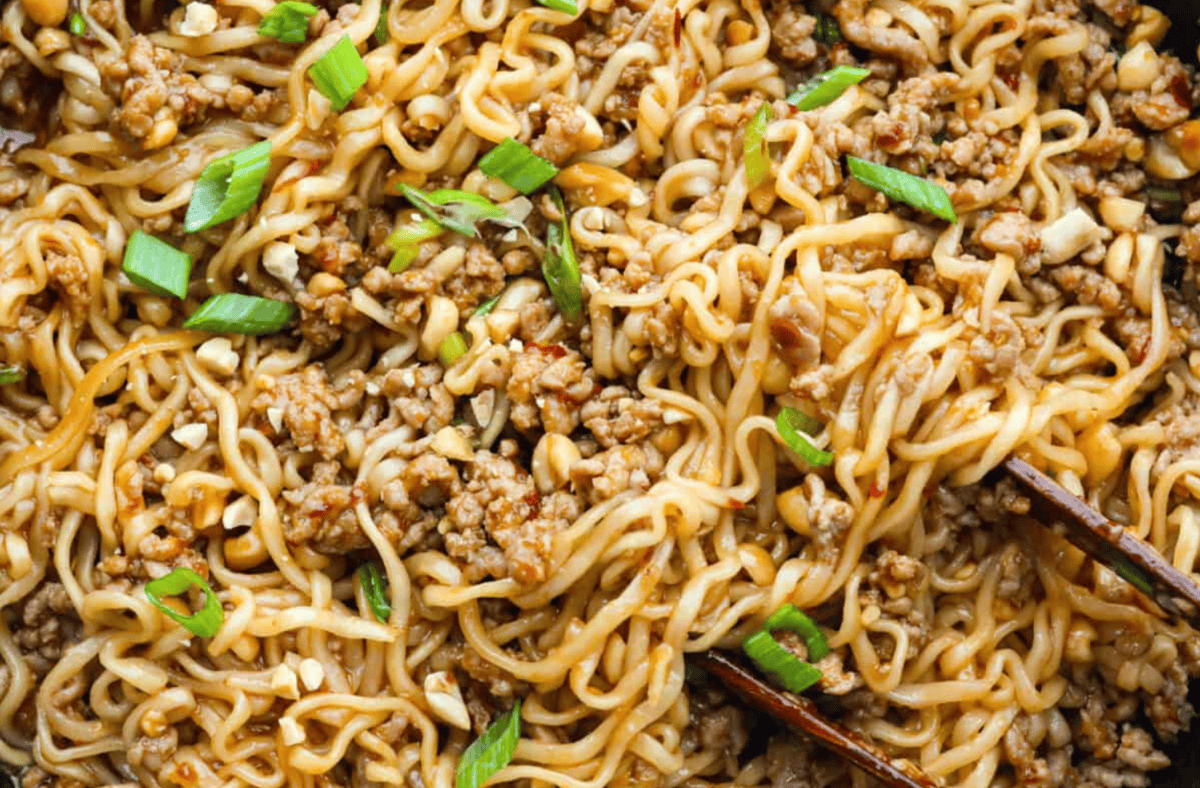
This sauce seasons more than yakisoba noodles. I use it in other dishes like fried rice, chow mein, and stir-fried veggies. You can also flavor okonomiyaki, tonkatsu, and takoyaki with it. Here are a few of my noodle dishes that use it:
- Vegetable Yakisoba – Toss the sauce with tofu, shiitake mushrooms, and carrots for a meatless version.
- Easy Chicken Yakisoba – A non-traditional protein with stir-fried noodles and this savory sauce.
- Hiroshima-style Okonomiyaki – A layered savory pancake with yakisoba noodles and fried egg that I drizzle with this sauce.
- Yakisoba with Malony Glass Noodles – Springy glass noodles soak up the sauce for a chewy texture.


FAQ
Can I buy yakisoba sauce instead of making it?
Yes. My favorite is the Otafuku brand, sold at Japanese and Asian grocery stores.
Can I make it less sweet?
Start with less sugar, then taste and add more to suit your taste.
I’d love to hear how yours turned out! 💛 Please leave a star rating and comment below to share your experience. Your feedback not only supports Just One Cookbook but also helps other home cooks discover recipes they can trust.
Yakisoba Sauce
Prep: 5 minutes
Total: 5 minutes
- 7 Tbsp Worcestershire sauce (see Notes for substitution)
- 3 Tbsp oyster sauce (see Notes)
- 2 Tbsp ketchup
- 1½ Tbsp soy sauce
- 1½ Tbsp sugar (to taste)
Gather all the ingredients.

In a mason jar or bowl, whisk together 3 Tbsp oyster sauce, 2 Tbsp ketchup, 1½ Tbsp soy sauce, and 1½ Tbsp sugar until the sugar has dissolved. Add 7 Tbsp Worcestershire sauce and whisk until smooth and well combined Taste the sauce and adjust the sweetness or seasoning as needed.
Nami's Tip: Some ketchup brands are sweeter than others, so be sure to taste the sauce and adjust the sugar if needed. The flavor should be bold, as the sauce will be used to season plain noodles.

To Use

To Store
Transfer the sauce to a clean mason jar or other airtight container. Store in the refrigerator for up to 1 month or freeze for up to 3 months.
Variations
- Adjust the seasoning. Add more sugar, soy sauce, or ketchup to match your taste.
- Make it vegan or vegetarian. Use vegan Worcestershire sauce and vegetarian stir-fry sauce in place of the oyster sauce.
- Add garlic and ginger. Garlic powder and ginger powder bring zing and complexity that complement the pork and cabbage.
- Add toasted sesame oil. A drizzle adds nutty flavor and depth.
Serving: 0.75cups, Calories: 241kcal, Carbohydrates: 58g, Protein: 3g, Fat: 0.2g, Saturated Fat: 0.02g, Polyunsaturated Fat: 0.1g, Monounsaturated Fat: 0.04g, Sodium: 4733mg, Potassium: 1066mg, Fiber: 0.3g, Sugar: 36g, Vitamin A: 248IU, Vitamin C: 17mg, Calcium: 149mg, Iron: 7mg
Did you make this recipe?
Tag @justonecookbook on Instagram so we can see your delicious creation!
Editor’s Note: This post was originally published on January 27, 2014, and republished with more helpful information on June 23, 2026.




 English (US) ·