
 10 hours ago
4
10 hours ago
4
Kaga Bōcha (加賀棒茶) is a roasted Japanese tea made almost entirely from tea stems rather than leaves. It comes from Kanazawa, in Ishikawa Prefecture. Dozens of local roasting houses there turn separated tea stems into a naturally sweet, floral-scented cup. Technically, it counts as a style of hōjicha, since both are roasted. What sets it apart is the raw material: stems only, not leaves, plus a distinct regional identity built around that choice. The tea has a specific origin story. A Kanazawa merchant invented it in 1902 as a way to use stems that tea processing normally discarded. It grew from a frugal byproduct into a defining local specialty. Emperor Shōwa reportedly received it as a gift in 1983. Kanazawa still treats the tea as a point of civic pride today, alongside gold leaf and other local crafts. This guide covers Kaga Bōcha’s history and how producers make it. It also covers how the tea compares with plain hōjicha and other stem teas, plus flavor, brewing, and buying. For the wider bancha family it relates to, see the complete Bancha guide and the Sannen Bancha guide. TOCWhat Is Kaga Bōcha? A Kanazawa Specialty Born From Leftover Stems Kaga Bōcha traces back to 1902. A Kan...
Related
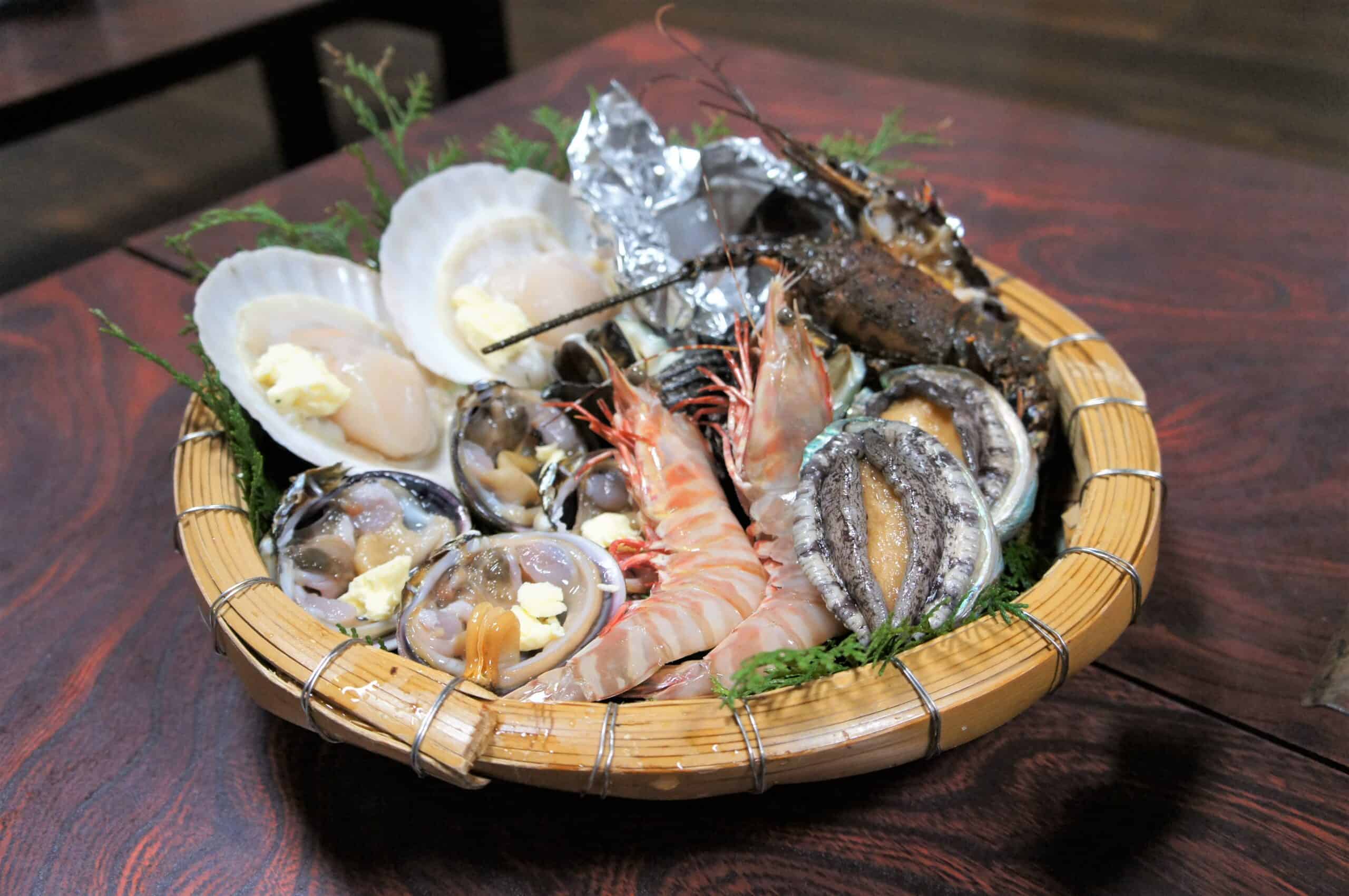
Kaizoku Ryori (海賊料理)
17 hours ago
5

Sannen Bancha (三年番茶)
2 days ago
19

Japanese single malt and five whisky traditions
2 days ago
18

Obanazawa Watermelon (尾花沢スイカ)
3 days ago
23
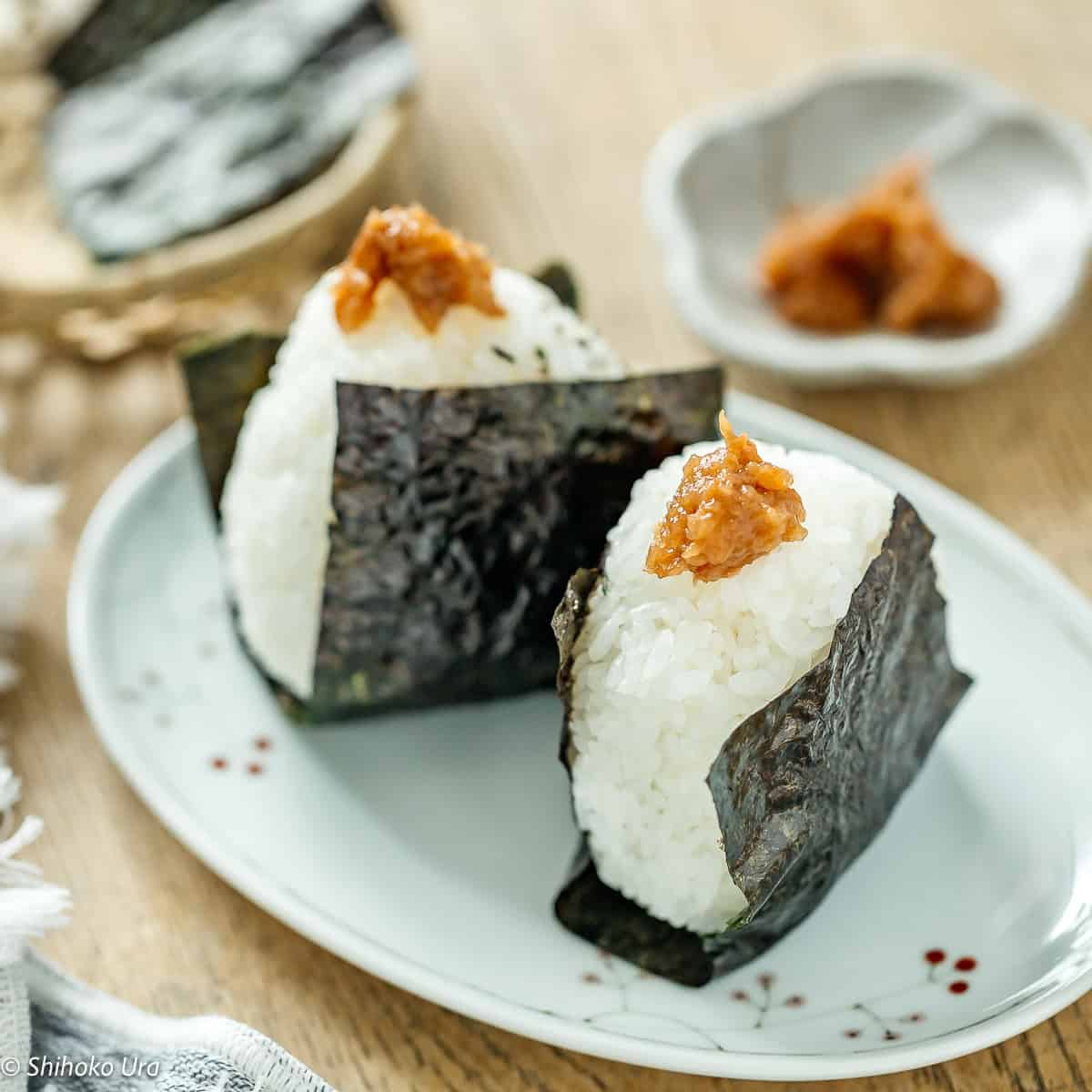
Umeboshi Onigiri (Japanese Rice Balls with Pickled Plum)
3 days ago
24
Popular


Poppy Seed Chicken Casserole
3 weeks ago
77
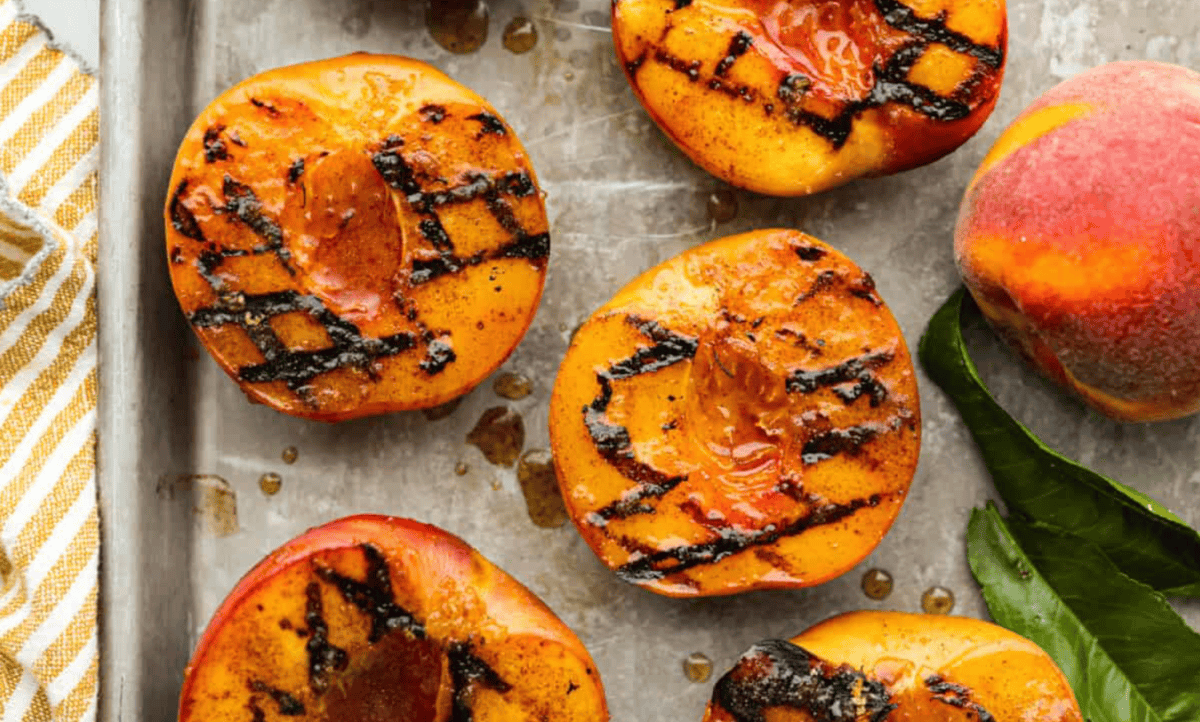
Grilled Peaches
1 month ago
67
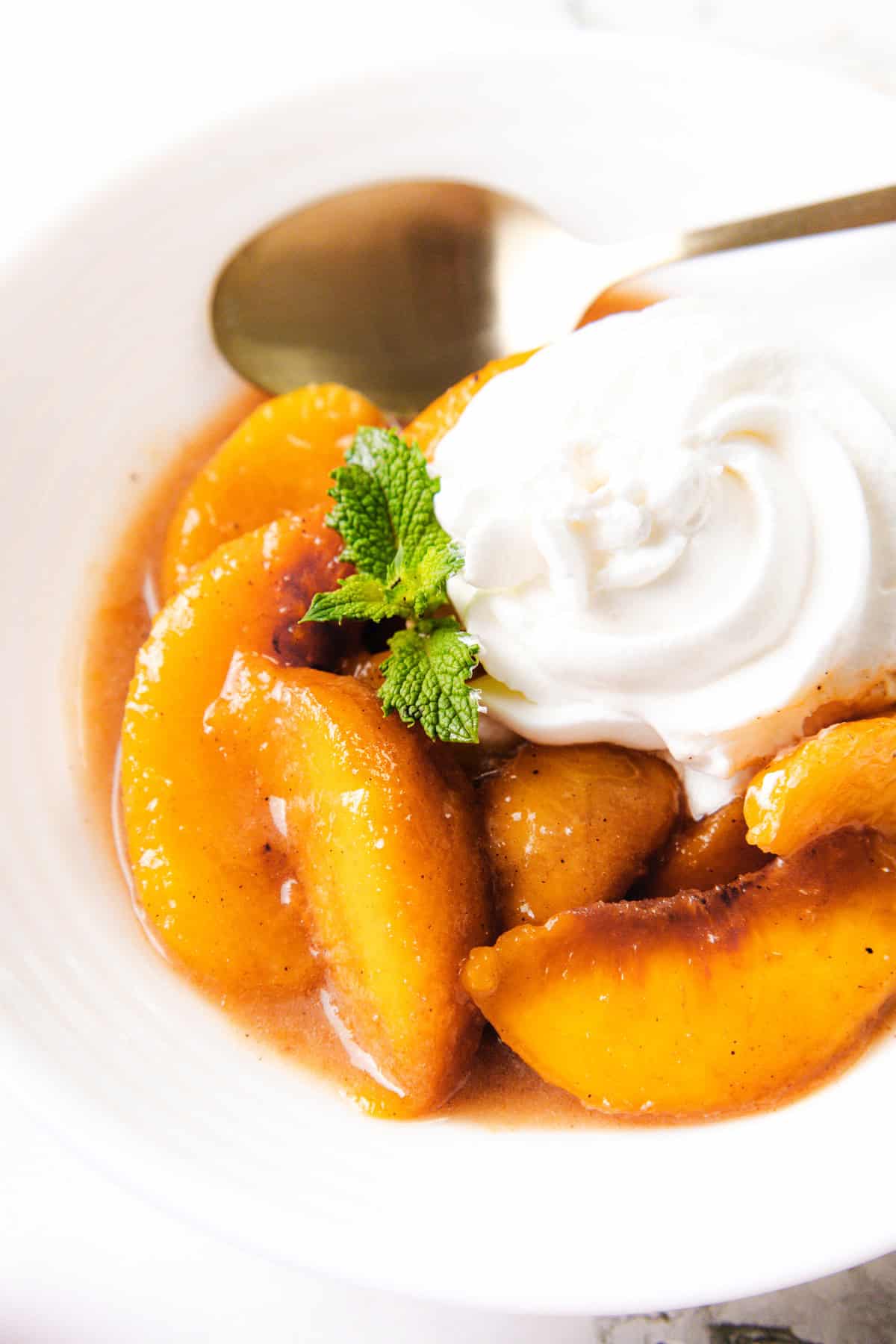
Peaches & Cream
1 month ago
67

One Pan Chicken Caesar Pasta
3 weeks ago
58
 English (US) ·
 © Daily Food 2026. All rights are reserved
