
 1 month ago
36
1 month ago
36
There is a garden in Mito that changes everything in late February. Kairakuen fills with the scent of plum blossoms before most of Japan has noticed winter is ending. Three thousand trees, one hundred varieties. The pale pink and white flowers open before the cherry trees even think about budding. For visitors making the trip from Tokyo, it is a genuinely overwhelming experience.
But Kairakuen is not only a garden for looking. The plums that bloom there eventually become fruit. And that fruit has a long, practical history in Mito, one that runs directly from the Edo period into a glass of umeshu today.
TOC
What Is Mito Umeshu?
Umeshu is Japanese plum liqueur, made by steeping unripe ume fruit in alcohol and sugar. The result is sweet, fruity, and naturally low in alcohol, typically between 10 and 15 percent. It is one of Japan’s most accessible and widely loved drinks, and almost every prefecture has its own regional interpretation.
Mito’s version is defined by its source. The plums come from Ibaraki, the prefecture that surrounds the city, and the most celebrated products take their name directly from Kairakuen. The flagship brand, known as Mito no Kairakuen, is made using premium Japanese plums steeped in shochu with pure mountain water. The alcohol content sits around 13.5 percent. The flavor is full-bodied, mellow, and clean on the finish.
The aged version is something else entirely. Mito no Kairakuen 5-Year Umeshu is steeped and then left to mature for five years before being blended with honey and brandy. The alcohol rises to 14.5 percent. The texture becomes velvety. The sweetness deepens and rounds out into something that resembles a premium dessert liqueur more than a casual fruit wine. It is meant to be sipped slowly, not gulped.
The Flavor in Detail
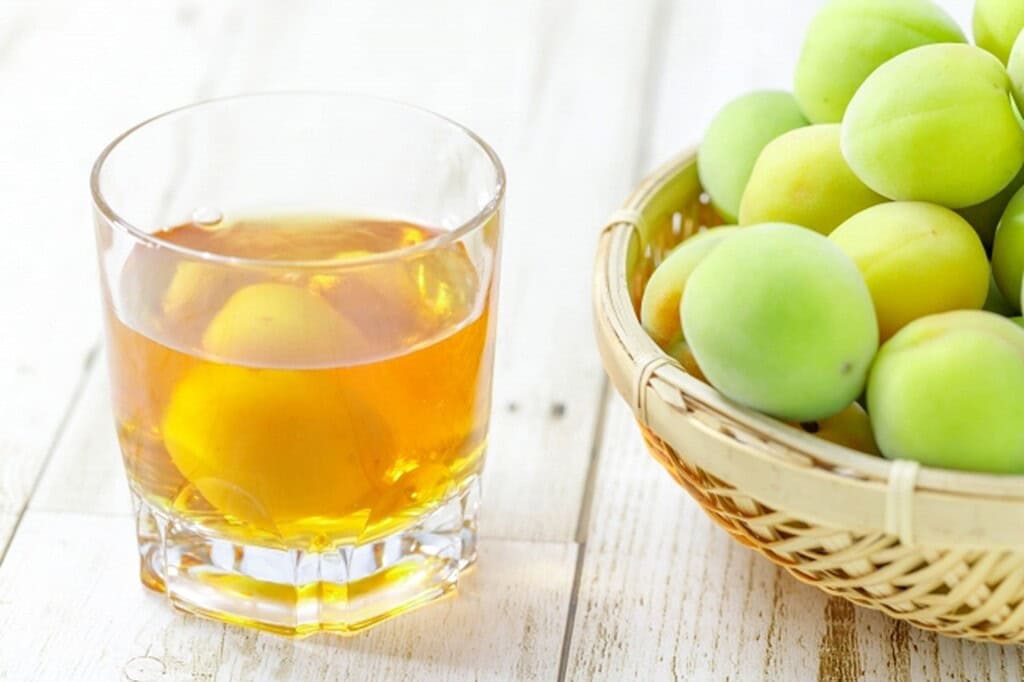
Standard Mito no Kairakuen is mellow and approachable. The plum character is clear and present without being sharp. There is a natural sweetness from the ume fruit and sugar, balanced by a gentle acidity that keeps the drink from feeling heavy. The shochu base adds a clean, neutral backbone. Pure mountain water is credited in the recipe, and you can sense it: the overall impression is fresh and uncluttered.
The five-year version requires more patience to understand. The honey rounds the edges. The brandy adds a faint warmth and a slight woody depth that fresh umeshu never develops on its own. The plum is still there, but it has retreated slightly and taken on a rounder, more polished quality. Some describe it as the difference between fruit juice and fruit wine.
Both versions serve well chilled, over ice, or with soda water for a light summer drink. The aged version is also excellent at room temperature after a meal. A small pour in a sake cup lets the honey-brandy complexity open up gradually.
You might wonder whether umeshu in general is too sweet for serious drinking. The Mito versions suggest otherwise. The sourness of ume provides genuine balance. With five years of aging, the sweetness becomes structural rather than dominant.
Kairakuen and the History Behind the Plums

Understanding Mito umeshu means understanding Kairakuen. The garden was completed in 1842 by Tokugawa Nariaki, the ninth lord of the Mito domain. His reasoning was both practical and philosophical. He planted the plum trees partly for beauty. But also partly because he feared war.
In the late 1820s, Nariaki grew increasingly alarmed by European and American ships appearing off Japan’s coast. He ordered the planting of one thousand plum trees on the elevated ground above Lake Senba. The thinking was straightforward. Umeboshi, the salted and dried plum, can be preserved for months or years. It was ideal military food. The trees were insurance.
The invasion never came. The garden was opened to the public instead. Its name, Kairakuen, comes from a Chinese classical text and means roughly “a garden to enjoy together.” Nariaki intended it as a place for all people in his domain to rest, reflect, and share in the beauty of the seasons. That egalitarian spirit was unusual for the era.
The Tokugawa family of Mito already had a history with plum trees before Kairakuen. The second lord, Tokugawa Mitsukuni, known across Japan as Mito Komon, had plum trees planted at the family’s Edo residence in Koishikawa on the recommendation of his Chinese Confucian advisor Shu Shunsui. For the Mito domain, the plum tree carried associations with scholarship, discipline, and cultural refinement. That symbolism attached itself to the garden and has never entirely left.
Today Kairakuen has roughly three thousand trees across one hundred varieties. Blossoms range from pure white to deep pink. Some bloom early, some late, extending the season from mid-February to late March. The garden is considered one of Japan’s Three Great Gardens, alongside Kenrokuen in Kanazawa and Korakuen in Okayama.
The Japan Umeshu Festival
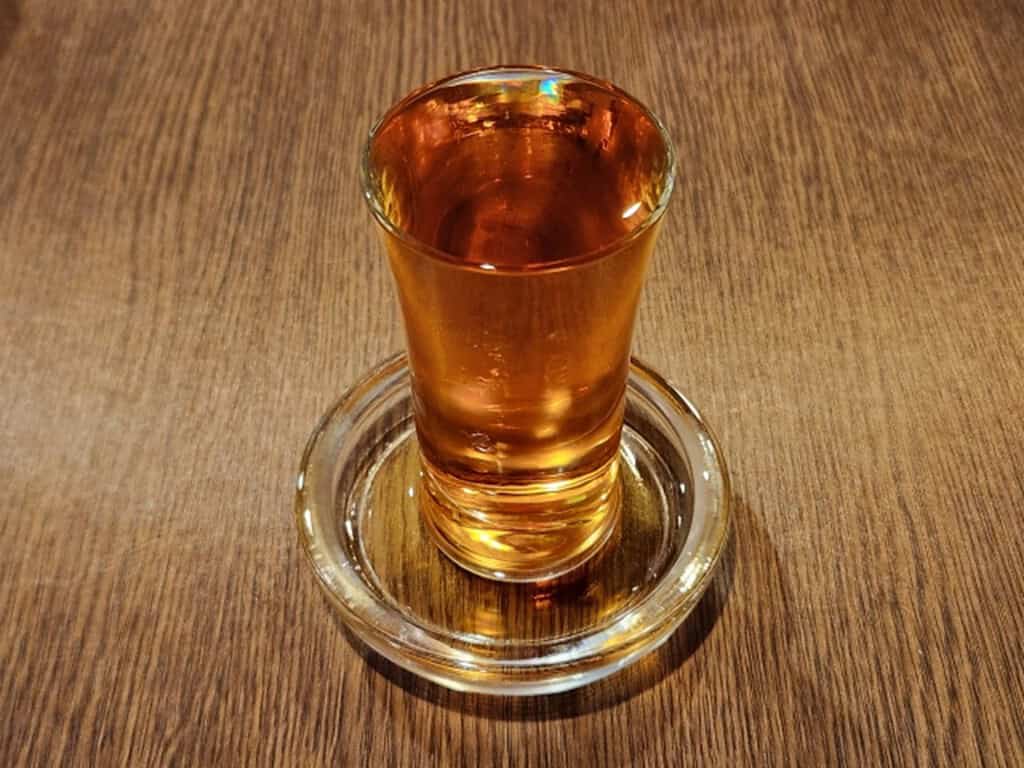
Mito’s connection to umeshu extends well beyond its own local products. Every spring, during the Plum Blossom Festival, the grounds near Kairakuen host the Japan Umeshu Festival. Over 150 varieties of umeshu from across the country are available to taste in a single session.
The festival has run for decades and has become one of the most significant umeshu gathering events in Japan. It takes place in early March at the Tokiwa Shrine grounds near Kairakuen. Visitors purchase tasting passes and move freely between booths. The range is genuinely surprising. Umeshu made on brandy, sake, whisky, and various shochu bases all appear. Flavors incorporating yuzu, rose, apple, and even Earl Grey tea are common. The bottle you like most can be purchased directly.
The Mito Plum Blossom Festival itself has been running since 1896, when the railway between Mito and Ueno opened and plum blossom viewing trips from Tokyo became practical. The Japan Umeshu Festival is a later addition, but it fits the setting naturally. Plum and plum liqueur belong to the same cultural story in Mito.
Mito Umeshu Within Ibaraki’s Food Culture
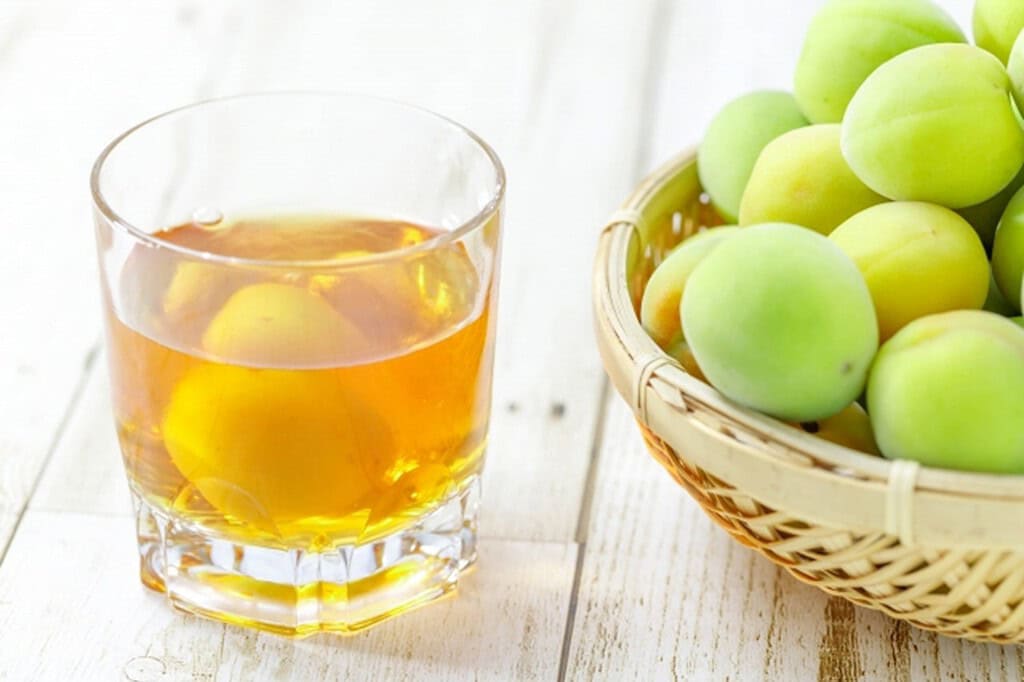 Traditional Mito Umeshu served with fresh green plums, showcasing Japan’s famous plum wine and fruit pairing.
Mito is a city with a genuinely distinctive food identity. Natto from Mito is arguably the most famous fermented food in Japan. Stamina ramen from Hitachinaka is a beloved local bowl built around ankake sauce and liver. Ibaraki melon leads Japan in production volume and quality.
Umeshu fits naturally into that culture of serious, sometimes overlooked food. Mito does not broadcast itself. It lets its products make the case quietly. The plum liqueur from Kairakuen is known to specialists and enthusiasts, but it has not achieved the mass marketing that some regional products receive. That relative obscurity is partly what makes finding a good bottle feel like a small discovery.
The ume fruit itself also produces other products in Ibaraki beyond umeshu. Umeboshi made from local plums appear throughout the region, and the same fresh-brewed plum flavor that defines Kairakuen umeshu shows up in sweets and seasonal snacks sold near the garden. The connection between the garden, the fruit, and the liqueur is immediate and visible in Mito in a way that feels genuine rather than manufactured.
How to Drink and Where to Buy
 Enjoying Mito Umeshu, a popular Japanese plum wine, with friends over drinks and pizza.
Mito no Kairakuen is available at souvenir shops near Kairakuen garden, at shops in Mito Station, and at various department stores and specialty liquor retailers in the Kanto region. During the Plum Blossom Festival, both versions are available for tasting and direct purchase at the festival grounds.
Outside Japan, the brand has distribution through specialist Japanese food and drink importers in the United States and parts of Southeast Asia. The five-year aged version in particular appears in Japanese grocery stores and izakaya in major cities internationally.
Chilled over ice is the easiest entry point. The standard version works well in a long drink with still or sparkling water and a slice of lemon. The aged version deserves more attention. Treat it like a digestif. A small pour, room temperature or lightly chilled, at the end of a meal. The honey and brandy notes come through more clearly without ice diluting the texture.
If you visit Mito during the plum blossom season, tasting umeshu in the garden itself is a genuinely memorable experience. The scent of blossoms in the air, the pale February light, and a warm cup of plum liqueur connect directly to the history that Nariaki built into every tree he planted there.
References
- Izakaya Juraku: Mito No Kairakuen Premium 5-Year Umeshu
- Ibaraki Guide: Mito Plum Blossom Festival
- Ibaraki Guide: 130th Mito Plum Blossom Festival and Japan Umeshu Festival 2026
- Wine of Japan: Mito No Kairakuen Plum Liqueur





 English (US) ·