
 1 month ago
48
1 month ago
48
Ask a brewer what makes sake possible and the answer rarely starts with rice. It starts with koji. Yet koji is not added freely, and the amount is measured to the kilogram. That measurement has a name: koji buai. Koji buai (麹歩合) is the percentage of a batch’s total rice that gets turned into koji. If a brewery uses 1,000 kilograms of polished rice and makes koji from 200 kilograms, the koji buai is 20 percent. The rest becomes plain steamed rice, added straight to the mash. Simple arithmetic, then. The consequences are anything but. Koji supplies the enzymes that turn rice starch into sugar, so the ratio decides how much converting power enters the tank. Raise it and saccharification accelerates. Lower it and the mash works more slowly. Here is where many English explanations go wrong. More koji does not mean better sake. It means more enzymes, and enzymes cut in several directions at once. Some release sugar, while others release amino acids. Push the ratio too far and richness turns into heaviness. So this guide treats koji buai as one variable inside a system, not a quality score. We will walk from starch to enzyme to sugar to alcohol, then look at how the ratio interacts with p...
Related

Iwaizumi Tankaku Beef (岩泉短角牛)
8 hours ago
3
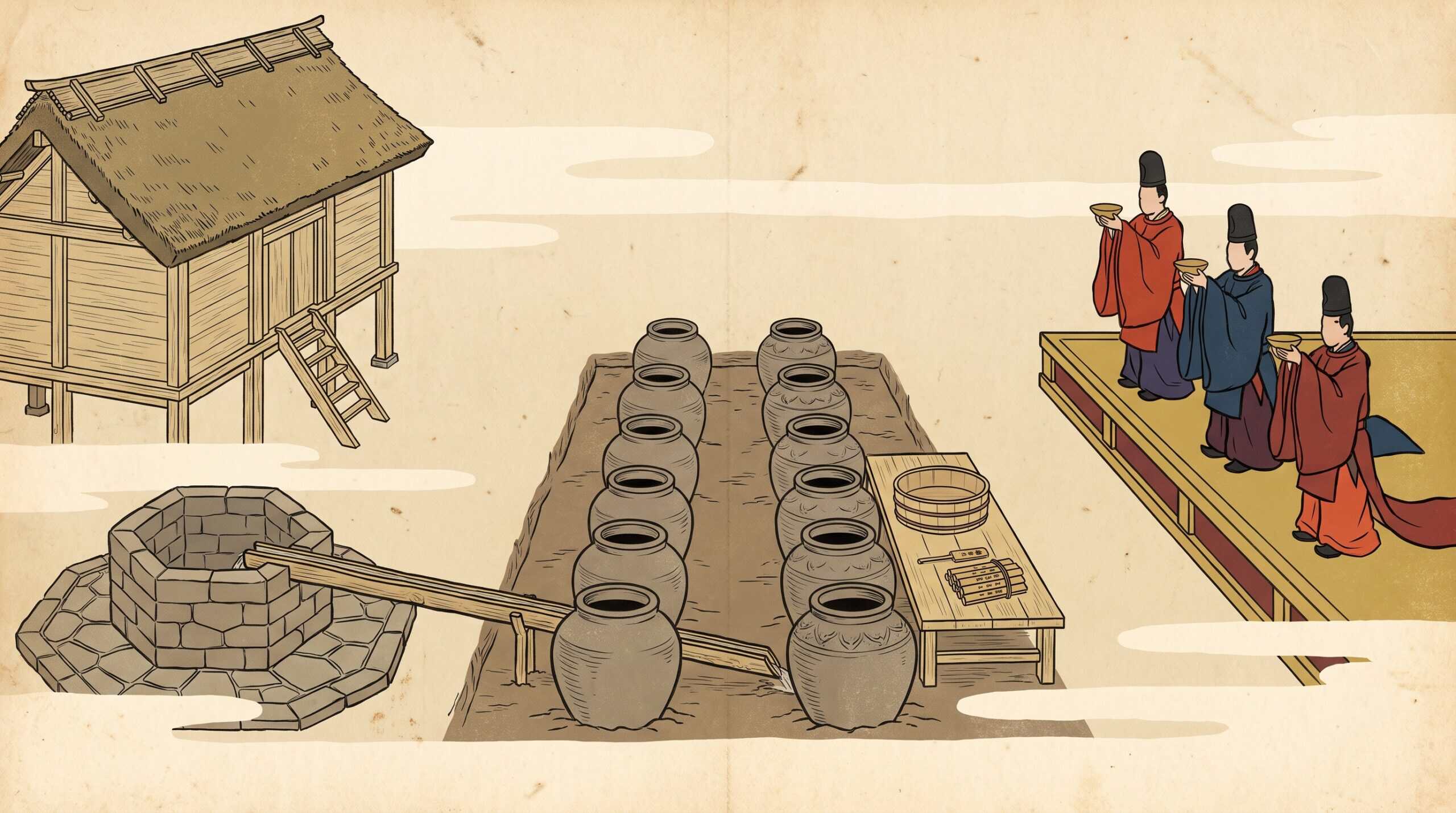
Nara and Heian Sake: Court Brewing and History
1 day ago
7

Hoya (ほや)
2 days ago
15
Popular
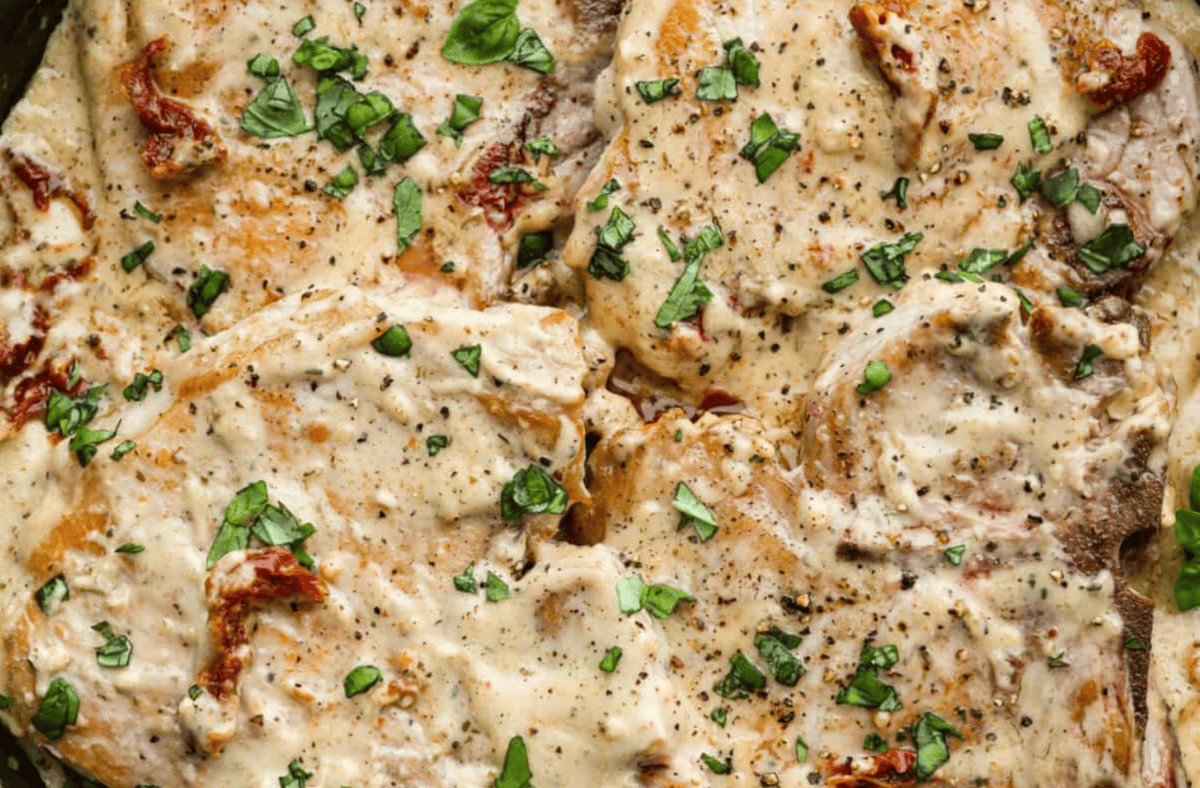
Marry Me Pork Chops
3 weeks ago
76

Weekly Meal Plan #102
4 weeks ago
73

One Pan Creamy Pepperoncini Chicken
1 month ago
71
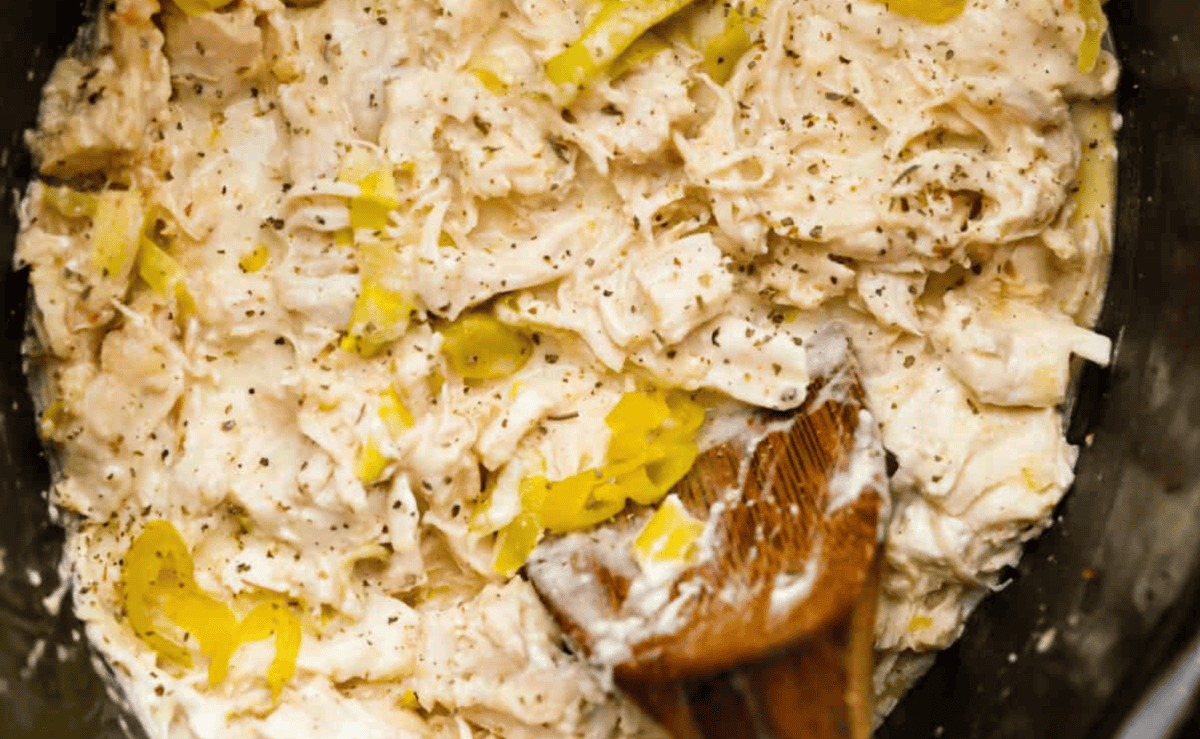
Crockpot Italian Grinder Chicken
4 weeks ago
68
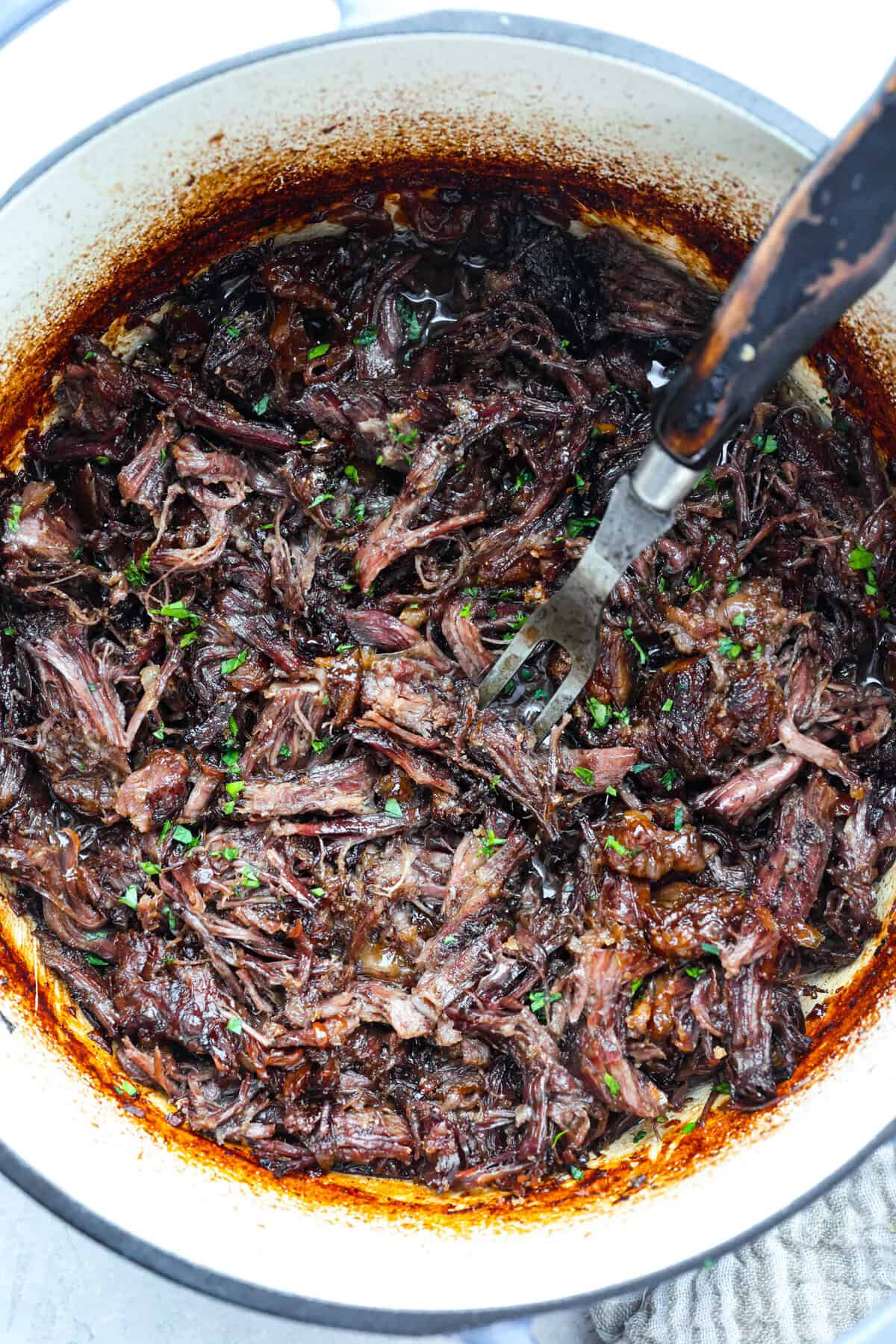
Caramelized Chuck Roast
2 weeks ago
67
 English (US) ·
 © Daily Food 2026. All rights are reserved
