
 1 month ago
60
1 month ago
60
Kumimizu buai (汲水歩合) is sake’s water-to-rice ratio. Brewers calculate it by dividing the brewing water in liters by the total rice in kilograms, then multiplying by 100. Most breweries work somewhere between 125 and 135 percent. That single number decides a great deal. It sets how thick the mash runs, how hard the yeast has to work, and whether the finished sake lands rich or crisp. Brewers fix it before a single grain enters the tank. The Japan Sake and Shochu Makers Association defines the term as the percentage of water relative to total polished rice weight. Their glossary gives 130 percent as the usual figure. The Nada Sake Research Association, working from Hyogo brewing practice, cites a slightly wider band of 125 to 135 percent. So why does almost nobody outside Japan discuss it? Partly because breweries never print it on labels. Partly because English guides jump straight from rice polishing to tasting notes, skipping the mash entirely. Yet anyone who opens a Japanese brewing textbook meets kumimizu buai within the first few pages. It sits alongside polishing ratio and koji ratio as one of the three numbers that define a recipe. This article covers the formula, the values ...
Related


Iwaizumi Tankaku Beef (岩泉短角牛)
8 hours ago
3
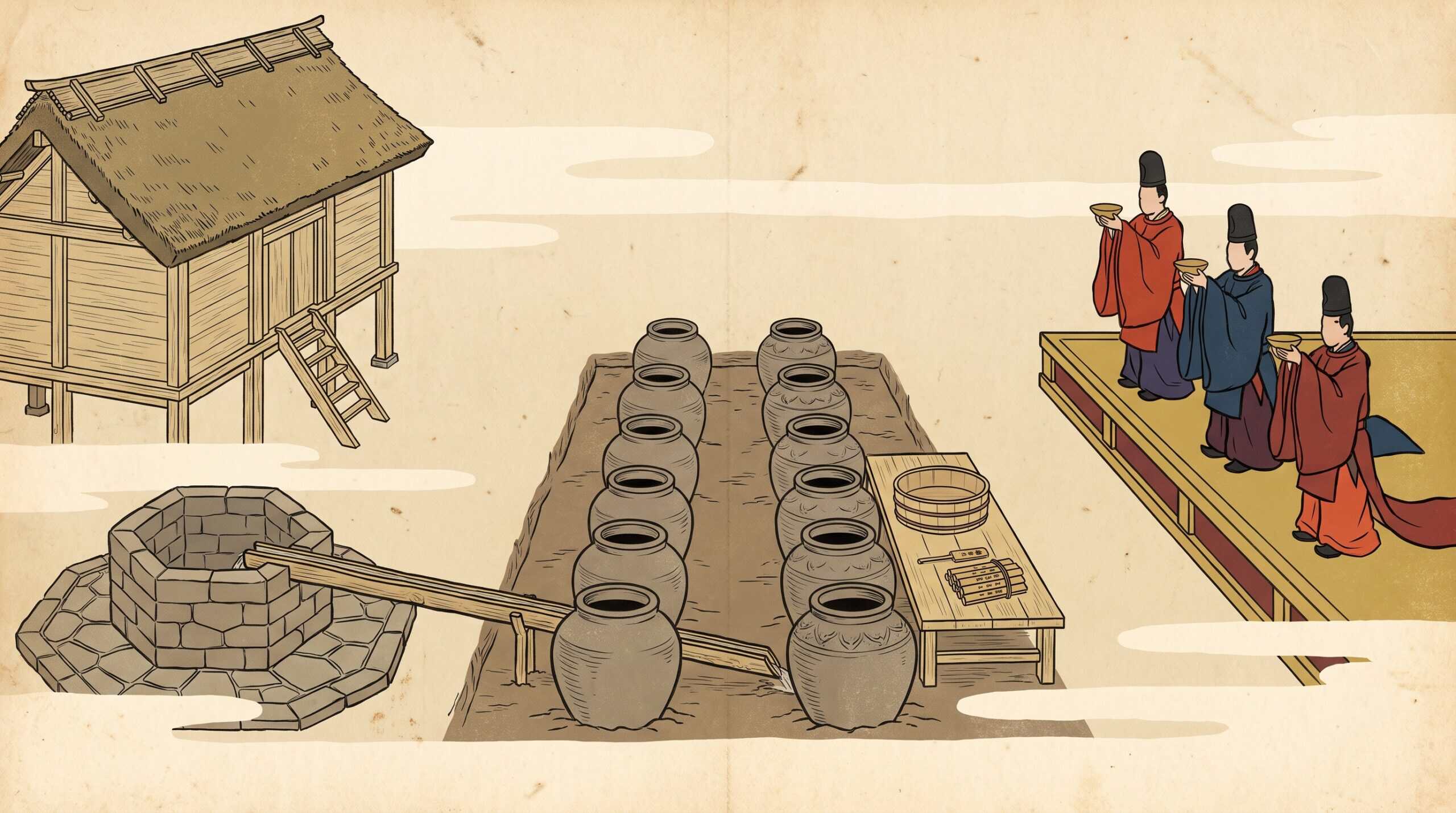
Nara and Heian Sake: Court Brewing and History
1 day ago
7

Hoya (ほや)
2 days ago
15

Popular

Marry Me Pork Chops
3 weeks ago
76

Weekly Meal Plan #102
4 weeks ago
73

One Pan Creamy Pepperoncini Chicken
1 month ago
71
Crockpot Italian Grinder Chicken
4 weeks ago
68
Caramelized Chuck Roast
2 weeks ago
67
 English (US) ·
 © Daily Food 2026. All rights are reserved
