
 3 weeks ago
35
3 weeks ago
35
Japanese ramen isn’t just a meal. it’s more like a flavorful mosaic, each bowl stitched together with a tapestry of toppings that give every slurp its own personality. Take the melt-in-your-mouth chashu you’ll find in Tokyo, or those quirky pink-swirled narutomaki fish cakes. these aren’t mere add-ons; they’re little treasures revealing the depth and surprising diversity buried within Japan’s regional ramen scenes. If you’re at all curious about what really makes these bowls tick, it’s worth getting lost in the world of ramen toppings. Suddenly, that ordinary soup is elevated into something that lingers long after the last drop.
Chashu (Braised Pork Belly): The Iconic Japanese Ramen Toppings
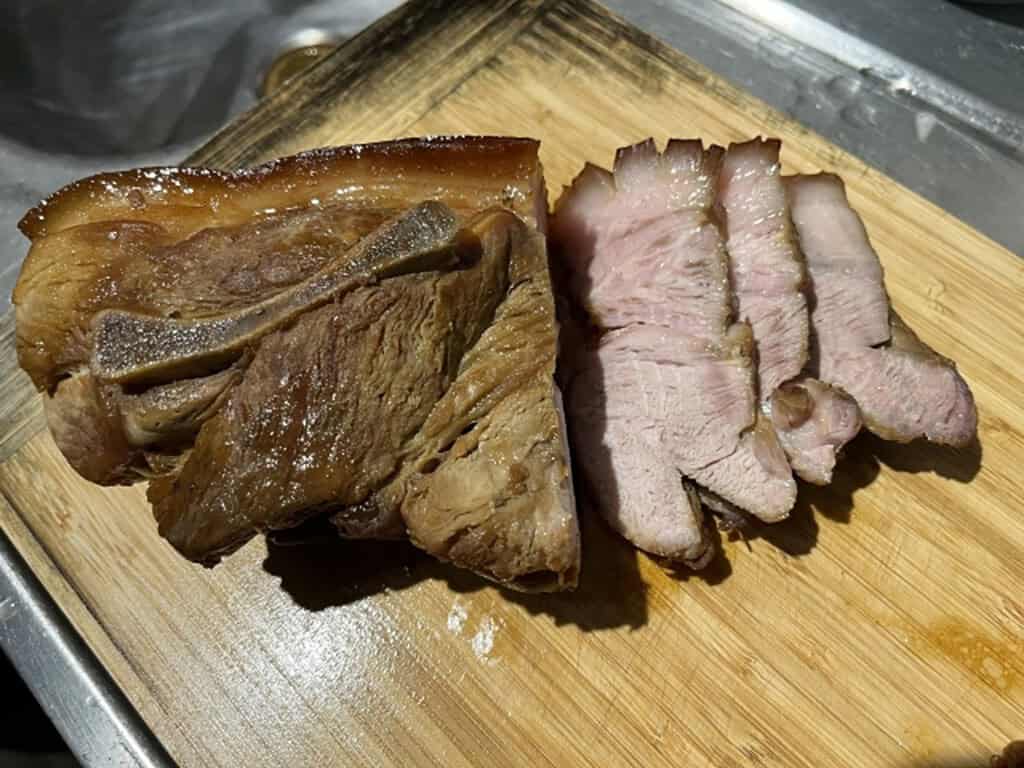
Flavor profile and preparation methods
There’s something kind of magical about chashu—the braised pork belly practically dissolves as soon as it hits your tongue. Folks who chase great ramen know this topping is almost sacred: a rich, deeply savory flavor underscores every bite thanks to a slow dance between soy sauce, sake, sometimes a whisper of sugar. Making chashu isn’t for folks in a hurry. Pork belly gets rolled up tight, bound like an old scroll, then takes a long soak in simmering liquid until it’s tender enough to break under its own weight. This process doesn’t just build texture—it turns every morsel into comfort food on steroids. I remember once spending a rainy afternoon making it at home; honestly? Worth every minute. If you ever feel brave enough to try your hand at homemade ramen, don’t skip out on chashu—you’ll thank yourself when you take that first bite.
Regional variations in chashu—Hakata vs. Tokyo styles
What keeps things interesting is how each region puts its fingerprint on chashu. For example: In sprawling Tokyo,you’ll get slices tinged with mellow sweetness and subtle salt drawn from soy-based marinades—the flavor feels almost delicate but never flat. Down south in Fukuoka’s Hakata area?The story shifts—a bolder attitude comes through: hints of garlic and ginger sneak in alongside richer notes crafted to tango with creamy tonkotsu broth. Frankly,whether you end up hooked on Tokyo-style elegance or Hakata’s punchy richness might depend on nothing more than mood or memory. Exploring these twists can turn eating into an adventure; who knows where your favorite will show up?
Ajitama (Seasoned Soft-Boiled Egg): A Nationwide Favorite Japanese Ramen Toppings
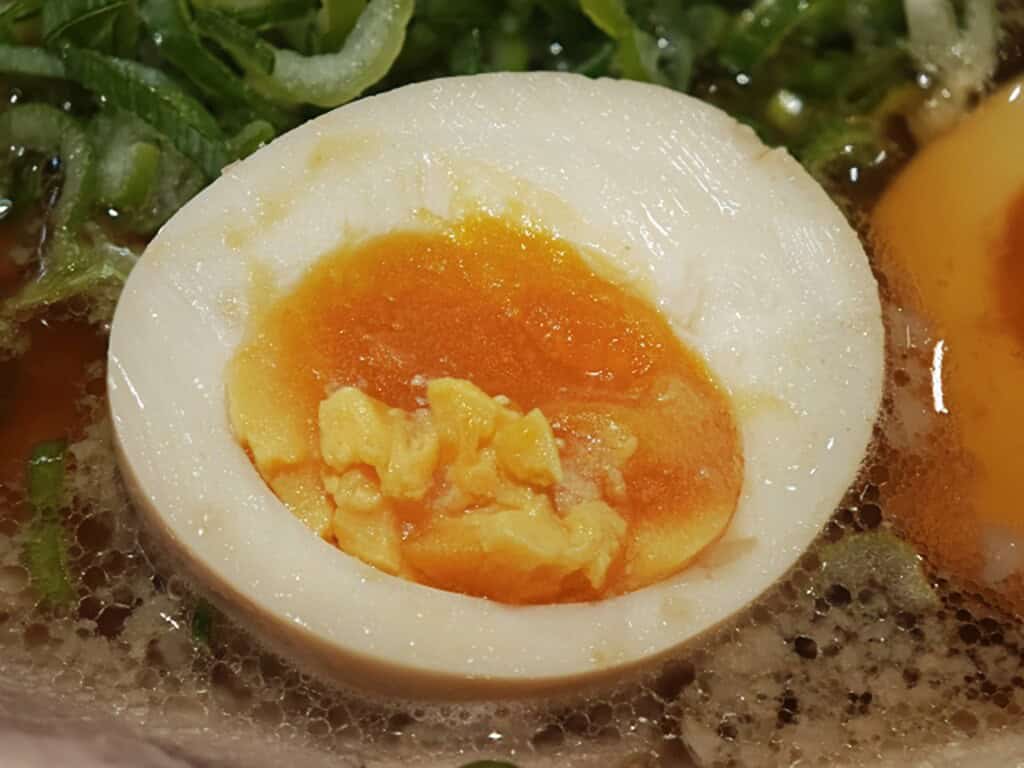
Secrets to perfect ajitama
You’ve probably seen those soft-boiled eggs nestled atop steaming noodles—the yolks so perfectly golden they look painted.This is ajitama: not just any egg but one transformed by patience (and maybe some kitchen mishaps). Timing matters here;I’ve lost count of how many times my eggs came out either too runny or rubbery before finally nailing that silky center. After boiling just right,a bath in soy sauce, mirin, maybe even sake follows—soaking up umami until they’re little bursts of savory delight. Learning this trick instantly upgrades homemade ramen—even midnight leftovers become irresistible.
Key differences across Japanese ramen regions
A funny thing happens if you start seeking out ajitama around Japan—you’ll notice tiny changes everywhere.Northern Hokkaido likes theirs extra marinated (probably because their miso broths are pretty bold).Kansai leans toward subtler flavors—a bit sweeter maybe—to play off lighter shoyu bases found closer to Kyoto.I remember being surprised by how much personality could hide inside an egg! These small tweaks say as much about local tastes as anything else does—and offer plenty of excuses for extra bowls “for research.” Ever stumbled onto a new favorite style without expecting it?
Menma (Fermented Bamboo Shoots)
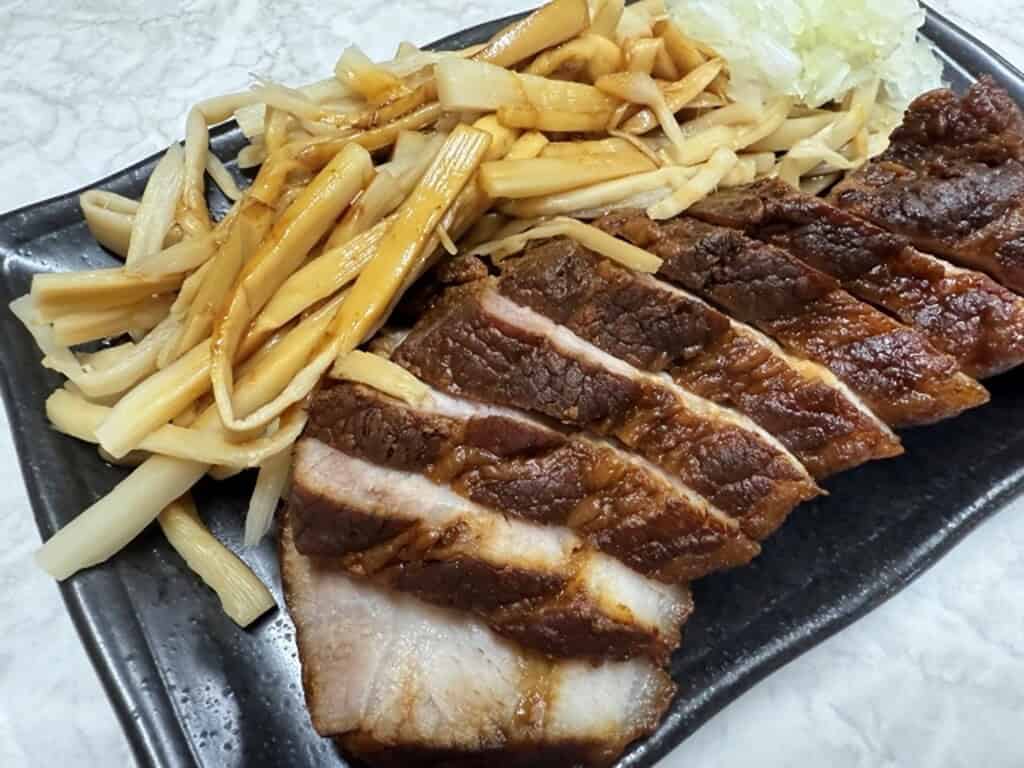
Crunchy yet yielding,menma brings an unexpected twist—not just another topping but almost like nature’s way of giving noodles something to play against.Bite one and there’s this satisfying snap; suddenly everything else feels smoother by comparison.The magic comes from fermentation—the bamboo shoots’ humble earthiness morphs into deep layers of umami after weeks spent transforming quietly in barrels somewhere far from any fancy kitchen. Sometimes I toss extra menma into instant noodles at home—it never fails to spark memories of late-night Tokyo eateries.
Menma’s cultural significance in ramen
Did you know menma didn’t even start out Japanese?I think that’s wild—a classic now rooted firmly inside Japan was borrowed straight from Chinese kitchens ages ago!The journey itself mirrors what makes ramen beautiful: cross-pollination between cultures leading somewhere delicious no one quite planned.Taste aside—there’s something poetic about bamboo shoots traveling continents only to land front-and-center beside pork broth or chicken stock… Funny world we eat our way through sometimes!
Negi & Green Onions: Hokkaido to Kyushu’s Japanese Ramen Toppings
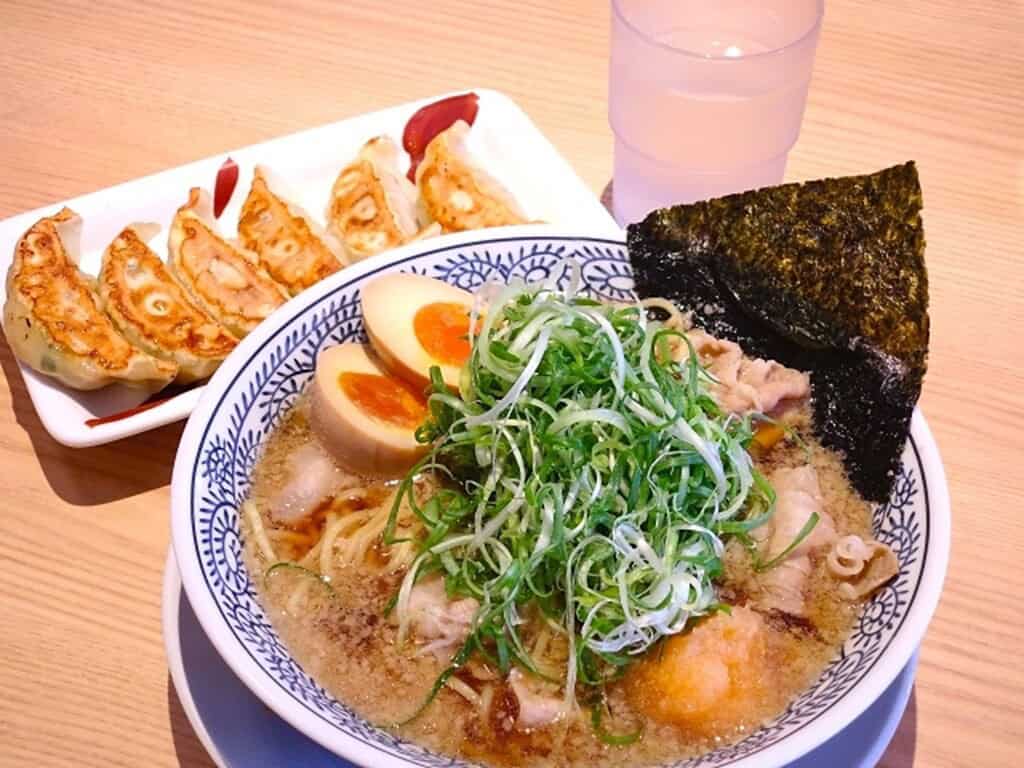
Types of onions used across regions
Ramen without negi? Unthinkable.You can spot regional pride right down to which green onions get scattered across bowls—from snowy Hokkaido fields come thick white stalks packing heat strong enough you’ll notice immediately; far south near Kyushu those slender sweet ones mellow things out instead. Visiting different spots means constantly recalibrating expectations:a sharp crunch here becomes gentle freshness there—all courtesy humble onions adapting quietly over generations.
Balancing flavors and aromas with negi
On good days,I’d argue negi deserves top billing next to pork or eggs—a crunchy line between heavy broth below and bright possibility above!The aroma wakes up even tired senses while texture rewards each bite anew;suddenly every spoonful tells two stories at once:the deep warmth underneath balanced against zingy brightness overhead.If plain soup leaves me bored sometimes—I double the green onion load myself… Who knew rescue could come shaped like thin green circles?
Naruto maki & Kamaboko (Fish Cakes): Vibrant Toppings with Regional Roots
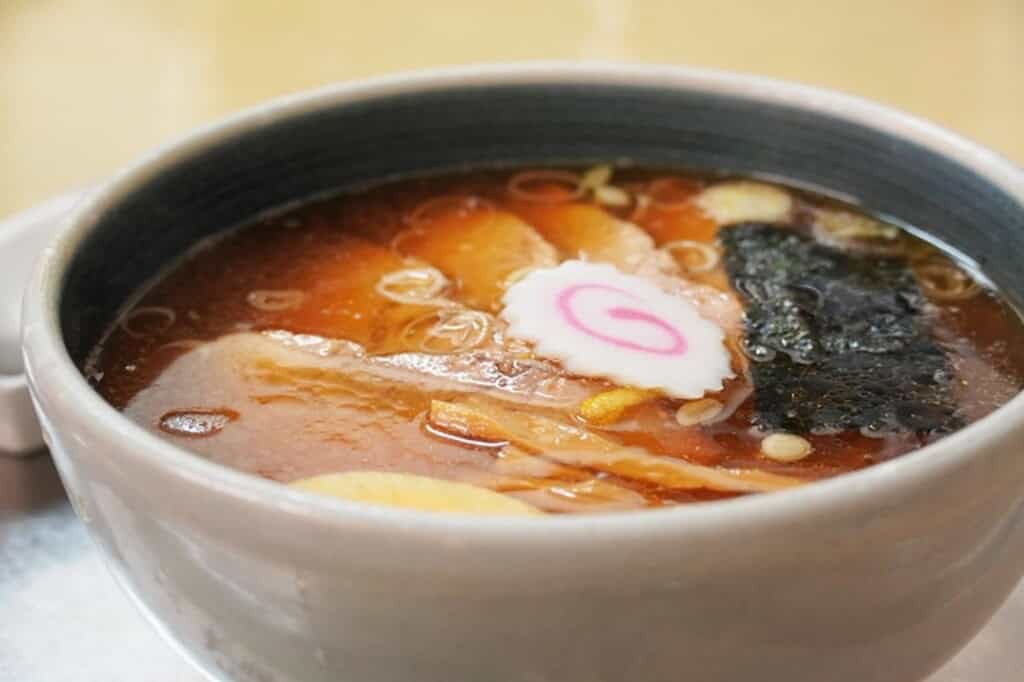
Why narutomaki stands out in classic bowls
It starts as eye candy—pink swirl spinning atop pale fish cake—but narutomaki isn’t all show.Beneath the playful exterior lies dense fish paste lending bounce without heaviness—like clouds slipped into ocean waves. It shows up most often where tradition runs deepest;savoring narutomaki always reminds me someone cared enough about both taste AND appearance while inventing these bowls centuries back! Eating them sometimes feels retro—in best sense possible—as if time slowed down for lunch near Naruto whirlpools themselves.
Kamaboko’s use throughout Kansai—and elsewhere
If you’re wandering Kansai during festival season—or simply ducking inside noodle shops—you’ll encounter kamaboko decorating plates alongside udon AND ramen.Softer than you’d expect yet sturdy enough not fall apart mid-slurp—it soaks up flavor gladly while offering playful colors depending which region claims credit for today’s shape.Some places dye them pink for weddings; others stick close-to-nature whites when tradition calls louder than fashion.No matter where,”kamaboko” signals celebration—maybe that’s why I can’t help smiling whenever it’s included?
Corn & Butter: Hokkaido Ramen’s Unique Comfort Toppings
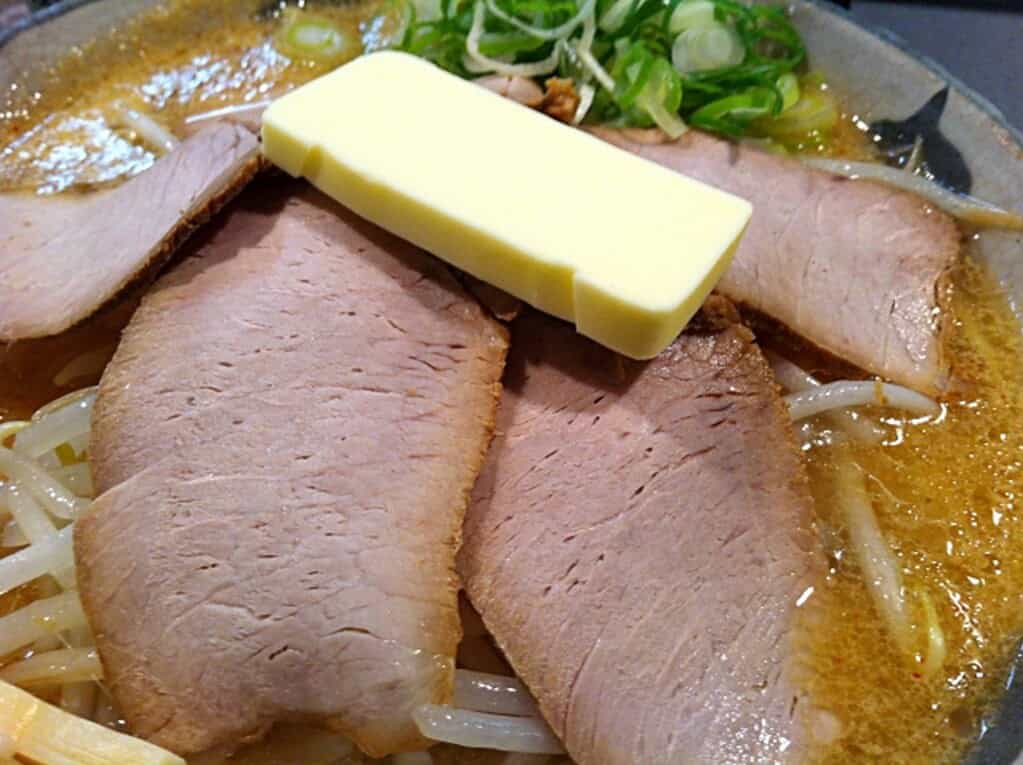
How Hokkaido popularized corn & butter with miso ramen
Not everyone expects vegetables swimming beside noodles—but visit Sapporo someday:bowl after bowl arrives crowned with glistening yellow kernels plus melting slabs butter pooling slowly beneath steam! This marriage wasn’t accidental;dairy farms nearby produced too much butter NOT be tried out eventually—and local corn pushed sweetness front stage rather than hiding shyly behind meatier flavors (I heard some old-timers still consider this combination controversial…though tourists seem convinced otherwise).
Distinctive taste/texture contrast
Here everything collides beautifully:warmth meets coolness as cold butter melts slowly atop hot broth;juicy corn pops under tooth then disappears among silky noodles;”comfort food” hardly describes half the story when winter winds push against frosted windows outside…I never thought I’d crave vegetables quite so much until tasting Sapporo’s signature creation!
Kikurage (Wood Ear Mushrooms): Fukuoka’s Crunchy Addition
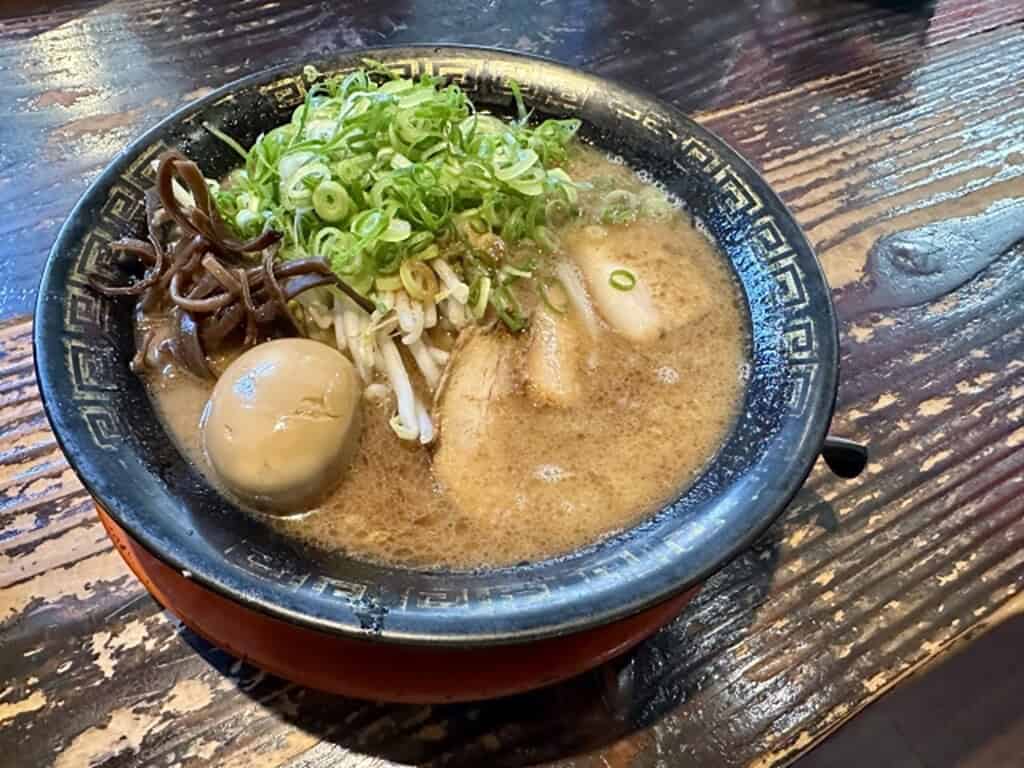
Nutritional benefits
Don’t underestimate kikurage—they arrive unassuming but bring health perks rivaling fancier superfoods.Packed full fiber plus vitamins most people pronounce only half-correctly;I read somewhere low calorie counts make them ideal guilt-free snack—but mostly? I love their familiar crunch amid oh-so-creamy tonkotsu landslide happening beneath surface.
Role within tonkotsu/why popularity grows
Try ordering tonkotsu somewhere famous (I recommend Fukuoka for authenticity!) You’ll notice kikurage appear again—and again—for good reason:Mild earthiness balances heavier fat content below while providing visual respite amid otherwise beige landscapes above (if mushrooms could speak they’d shout “contrast!” all day).Lately friends overseas ask how best source dried versions online—which tells me word has gotten out beyond Japan already…
Conclusion of Japanese Ramen Toppings
Say what you will about trends,browsing Japanese ramen menus shows endless creativity baked right inside tradition itself:Dishes tell stories via toppings:Creamy ajitama evokes rainy afternoons indoors;Tender chashu recalls backyard gatherings years before anyone called it “foodie culture”;Corn-and-butter combos whisper secrets only winter nights reveal fully…If you’ve ever stumbled upon something weird-yet-perfect perched atop steaming soup (“what IS this ingredient?”), odds are you’ve joined thousands chasing new favorites nationwide.No single answer exists—but trying anyway might be the most delicious mistake we ever make together!
References
https://www.myojousa.com/ja/blog/ramen-toppings/
https://n–media.com/dictionary/








 English (US) ·